
Full Moon Show Moon
When the Night Sky Becomes Nature’s Most Mesmerizing Performance

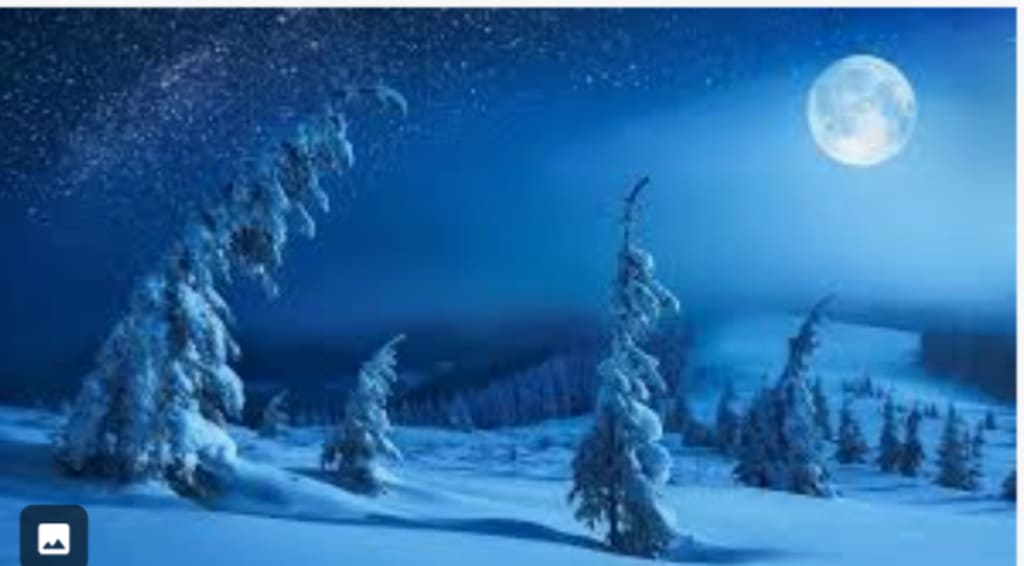
Every month, the night sky offers a familiar yet breathtaking spectacle—the full moon. Rising slowly above the horizon, glowing with silver brilliance, it transforms ordinary evenings into moments of wonder. Known across cultures as a symbol of mystery, romance, and renewal, the full moon is more than just a phase of the lunar cycle. It is a celestial show that has fascinated humanity for thousands of years.
A full moon occurs when the Earth stands directly between the sun and the moon, allowing sunlight to illuminate the moon’s entire visible surface. Unlike other lunar phases, where shadows shape crescents or halves, the full moon appears complete and radiant. Its light is powerful enough to cast shadows on the ground and brighten dark landscapes. Long before artificial lighting existed, the full moon guided travelers, farmers, and sailors through the night.
Throughout history, civilizations created stories and rituals around the full moon. In ancient Egypt, the moon was associated with Thoth, the god of wisdom and time. In China, the Mid-Autumn Festival celebrates the full moon as a symbol of family unity and harmony. Native American tribes named each full moon according to seasonal changes, such as the Harvest Moon or the Wolf Moon, linking the sky directly to life on Earth. These traditions show that the full moon has always been more than a scientific event—it is a cultural and emotional experience.
The beauty of the full moon lies not only in its brightness but also in its illusion. When it first rises near the horizon, it often looks much larger than when it is higher in the sky. This phenomenon, known as the “moon illusion,” tricks the human brain into perceiving the moon as bigger because it is seen alongside trees, buildings, and mountains. Photographers and sky watchers wait patiently for this moment, knowing it offers the most dramatic view of the lunar show.
Emotionally, the full moon has long been believed to influence human behavior. Ancient myths claimed it could affect sleep, emotions, and even madness—giving rise to the word “lunatic,” derived from the Latin word luna for moon. While modern science finds no strong evidence that the full moon directly causes unusual behavior, many people still report feeling more energetic or restless during full moon nights. Whether psychological or symbolic, the moon’s power over the human imagination remains undeniable.
Nature also responds to the full moon in remarkable ways. Certain animals depend on moonlight for survival. Coral reefs, for example, synchronize their mass spawning events with the full moon, creating one of the most extraordinary natural phenomena on Earth. Sea turtles use moonlight reflected on the ocean’s surface to guide their hatchlings toward the sea. Even nocturnal predators take advantage of the increased visibility during full moon nights.
The full moon is also a favorite subject for artists, poets, and musicians. From classical paintings to modern songs, the moon has been portrayed as a companion to human emotion—standing for love, longing, and solitude. Writers have used it as a metaphor for hope in darkness, while filmmakers rely on moonlit scenes to create drama and mystery. In this way, the full moon show is not just a visual performance but an artistic inspiration that continues to shape creative expression.
In the modern world, where city lights often dim the stars, the full moon still manages to command attention. It cuts through light pollution with its natural glow, reminding people to look up from their screens and reconnect with the universe. Stargazing events and lunar photography communities grow in popularity every year, proving that the moon still holds a place in contemporary life.
There is also a scientific side to the full moon’s appeal. Astronomers use full moon phases to study lunar surface features such as craters and plains, known as maria. Though the brightness can make observing stars more difficult, it allows a clear view of the moon’s texture and structure. Each full moon offers a chance to observe the same object in slightly different lighting conditions, revealing subtle changes and details.
Perhaps the most powerful aspect of the full moon show is its universality. No matter where you live, when a full moon rises, people across the world are witnessing the same sky. It connects humanity through a shared experience—an ancient clock in the heavens that marks time and seasons. In a world divided by borders and cultures, the moon remains a silent symbol of unity.
The full moon does not rush. It rises slowly, stays with us for hours, and then fades as dawn approaches. Its quiet presence teaches patience and reflection. For a brief moment, the night belongs not to darkness but to light.
In the end, the “Full Moon Show Moon” is nature’s timeless performance—free, reliable, and endlessly captivating. It does not require tickets or technology, only a willingness to look up. As long as the Earth turns and the moon circles our planet, this glowing spectacle will continue to inspire wonder, reminding us that even in the modern age, some of the greatest shows still come from the sky.
About the Creator
Sajida Sikandar
Hi, I’m Sajida Sikandar, a passionate blogger with 3 years of experience in crafting engaging and insightful content. Join me as I share my thoughts, stories, and ideas on a variety of topics that matter to you.
Keep reading
More stories from Sajida Sikandar and writers in The Swamp and other communities.
Discovering MIOS, France: A Hidden Gem on the Atlantic Coast
Tucked away in the picturesque region of Nouvelle-Aquitaine, MIOS, France, is a destination that perfectly blends natural beauty, history, and small-town charm. While it may not appear on every tourist map, this quaint commune on the Atlantic coast has become a quiet favorite for travelers seeking an authentic French experience away from crowded cities and popular beach resorts.
By Sajida Sikandara day ago in The Swamp


Comments
There are no comments for this story
Be the first to respond and start the conversation.