
French ‘Doctor Death’ Jailed for Life: A Chilling Betrayal of Medical Trust
How a trusted physician’s crimes shattered faith in healthcare and exposed deadly failures in oversight

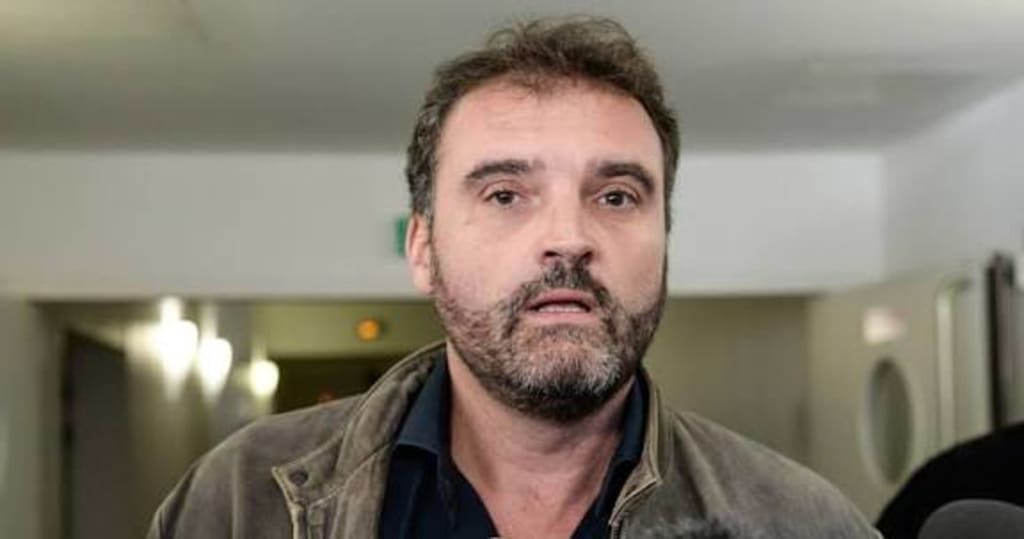
The conviction of a French doctor, widely labeled by the media as “Doctor Death,” has sent shockwaves across Europe and reignited global debates about medical ethics, patient safety, and oversight within healthcare systems. The former physician has been sentenced to life imprisonment after being found guilty of deliberately poisoning multiple patients—an act that represents one of the darkest betrayals of the Hippocratic Oath in modern French history.
A Trusted Healer Turned Killer
Doctors are entrusted with the responsibility to heal, comfort, and protect life. In this case, that sacred trust was shattered. The convicted doctor, who practiced for years in French hospitals and care facilities, used his medical access not to save lives but to end them. Prosecutors revealed that the physician administered lethal doses of drugs to patients who were already vulnerable—many elderly, terminally ill, or dependent on hospital care.
What made the crimes particularly horrifying was the calculated nature of the acts. Investigators concluded that the doctor did not act out of mercy or compassion, but rather from a disturbing desire for control and recognition. By positioning himself as the person who could “end suffering,” he manipulated both patients and colleagues while masking his actions behind professional authority.
How the Crimes Were Uncovered
The case began to unravel when hospital staff noticed unusual patterns of sudden deaths. Patients who were not considered to be at immediate risk were dying unexpectedly, often shortly after interacting with the same doctor. Toxicology reports later revealed the presence of substances inconsistent with prescribed treatment.
Families of victims played a crucial role in pushing authorities to act. Several relatives raised concerns, refusing to accept that their loved ones had died of natural causes. Their persistence ultimately led to a full-scale investigation, uncovering a trail of suspicious deaths linked directly to the physician.
Courtroom Revelations and Verdict
During the trial, prosecutors presented extensive medical records, expert testimony, and evidence showing that the doctor had no clinical justification for administering the drugs that caused the deaths. The court heard emotional statements from victims’ families, many of whom described long-lasting trauma and a profound loss of faith in the healthcare system.
The defense attempted to argue that the deaths were related to patients’ existing conditions, but judges rejected this explanation. The court ruled that the actions were intentional, premeditated, and criminal, sentencing the doctor to life imprisonment—the harshest penalty under French law.
A Blow to Medical Ethics
The case has sparked deep reflection within the medical community. Physicians and healthcare professionals across France have expressed outrage and sorrow, emphasizing that such acts go against everything medicine stands for. Medical associations have stressed that the vast majority of doctors dedicate their lives to saving others, but acknowledged that stronger safeguards are needed to prevent abuse of power.
Experts argue that hospitals must improve monitoring systems, encourage whistleblowing, and create environments where staff feel safe reporting suspicious behavior without fear of retaliation.
Impact on Public Trust
Perhaps the most lasting damage caused by this case is the erosion of trust. Patients depend on doctors during their most vulnerable moments, often placing blind faith in their judgment. Stories like this can make people fearful of seeking care, especially the elderly or chronically ill.
French health authorities have responded by promising reforms, including stricter prescription controls, enhanced patient monitoring, and more frequent audits of medical practices. Officials hope these measures will reassure the public and prevent similar tragedies in the future.
Lessons From a Dark Chapter
The “Doctor Death” case serves as a grim reminder that authority without accountability can be dangerous. While rare, such crimes expose weaknesses in systems that rely heavily on trust. Transparency, ethical training, and vigilant oversight are essential to ensure that healthcare remains a place of healing, not harm.
For the families of the victims, justice may never fully heal the pain, but the life sentence offers a measure of accountability. Their courage in speaking out has not only exposed the truth but may also help protect future patients.
Conclusion
The life imprisonment of France’s so-called “Doctor Death” marks the end of a horrifying chapter in medical history. It underscores the importance of vigilance within healthcare systems and reminds society that no profession—no matter how respected—is immune to misuse of power. Above all, it reinforces the need to protect the sanctity of human life, which must always remain at the heart of medicine.
About the Creator
Fiaz Ahmed Brohi
I am a passionate writer with a love for exploring and creating content on trending topics. Always curious, always sharing stories that engage and inspire.
Keep reading
More stories from Fiaz Ahmed Brohi and writers in The Swamp and other communities.
Sudan Tops Global Humanitarian Crisis Watchlist for Third Year as Devastating War Grips the Country
For the third consecutive year, Sudan has been ranked at the top of the global humanitarian crisis watchlist, a grim distinction that reflects the scale of suffering unfolding inside the country. What began as a power struggle between rival military factions has spiraled into a devastating war that has shattered institutions, displaced millions, and pushed an already fragile nation to the brink of collapse. As violence continues unabated, Sudan’s crisis is no longer just a regional tragedy—it is one of the world’s most severe humanitarian emergencies.
By Fiaz Ahmed Brohiabout a month ago in The Swamp
‘Miracle Baby’ Born in a Tree Above Mozambique Floodwaters Dies Aged 25
In 1998, a harrowing flood swept through Mozambique, leaving devastation in its wake. Among the stories of survival, one captured global attention: a baby born in the branches of a tree, rescued from rising waters, and hailed as a “miracle baby.” Today, the world mourns as this remarkable individual, who defied the odds from the very beginning, has died at the age of 25. The story of this “miracle baby” was a symbol of resilience and hope during a time of immense tragedy, and its passing reminds the world of both the fragility and strength of human life. The 1998 Mozambique Floods Mozambique, a southeastern African nation prone to seasonal flooding, experienced one of its deadliest natural disasters in 1998. Torrential rains caused rivers to overflow, destroying homes, displacing thousands, and claiming countless lives. Amid the chaos, families scrambled to find safety, often climbing trees or makeshift platforms to escape the rising waters. It was during this desperate struggle that the “miracle baby” was born, suspended above the floodwaters in a tree. The infant’s survival was nothing short of extraordinary, and the story quickly spread worldwide, capturing the attention of humanitarian organizations and media outlets alike. A Birth Against All Odds According to accounts from local witnesses, the mother had no access to medical care and found herself clinging to a tree as floodwaters engulfed the village. In the midst of life-threatening conditions, she gave birth to a baby who would come to symbolize hope for a nation reeling from disaster. Doctors later described the baby’s survival as a rare and remarkable event. Despite being born in an extremely precarious situation, the child thrived, demonstrating an early resilience that would define their life. International media dubbed the newborn the “miracle baby,” and the story became a symbol of human endurance amid natural catastrophe. Growing Up Under a Global Spotlight The child grew up in Mozambique, in a country still recovering from both natural disasters and the long-lasting effects of civil conflict. Despite the challenges, they led a life marked by perseverance and community support. Throughout childhood, the “miracle baby” remained a figure of inspiration for locals and people around the world. Stories of their survival were shared in classrooms, humanitarian campaigns, and media features, reinforcing the importance of hope and determination even in the face of overwhelming adversity. A Life of Inspiration Those who knew the young adult described them as resilient, compassionate, and committed to helping others. They frequently participated in local community initiatives and became an advocate for disaster preparedness, speaking to young people about the importance of resilience in the face of adversity. The “miracle baby” became a living testament to human survival, symbolizing the enduring spirit of Mozambique and the ability to overcome unimaginable odds. Their life was intertwined with the collective memory of a nation that had experienced loss and devastation but found hope in extraordinary stories like theirs. Passing at 25 Tragically, the “miracle baby” passed away at the age of 25. While the cause of death has not been widely publicized, local sources confirm that the community and those who followed their story worldwide are mourning this loss deeply. News of the passing has sparked an outpouring of condolences, tributes, and reflections on the journey of a life that began in such extraordinary circumstances. Social media users, humanitarian groups, and journalists have shared memories and expressed admiration for a life that became emblematic of survival and hope. Reflections on a Life Lived The story of this “miracle baby” serves as a reminder of the unpredictable nature of life and the power of resilience. Being born in the middle of a catastrophic flood and surviving against overwhelming odds is a narrative few can comprehend. Yet, this individual not only survived but contributed to their community, inspiring countless others along the way. Their story also sheds light on the broader context of Mozambique’s challenges, including climate-related disasters, poverty, and the ongoing efforts to strengthen disaster preparedness and community resilience. Legacy of Hope Though the “miracle baby” has passed, their legacy lives on. Humanitarian organizations and local communities often cite their story as motivation to continue building programs that protect vulnerable populations during floods and other natural disasters. Educational campaigns now frequently reference this narrative to illustrate the importance of resilience, courage, and community solidarity. For many, the story serves as a reminder that even in the darkest moments, hope and determination can shine through. Conclusion: Remembering a Symbol of Survival The death of Mozambique’s “miracle baby” at 25 is a moment of reflection for a nation and the world. From being born in a tree above raging floodwaters to inspiring generations, this life symbolized human endurance, courage, and hope. While their time was tragically short, the story continues to resonate, reminding humanity of the extraordinary strength that can emerge in the face of adversity. As communities remember this remarkable individual, their journey from a tree in a flooded landscape to a young adult impacting lives will forever remain a testament to resilience and the enduring power of hope.
By Aarif Lashari7 days ago in The Swamp
Smart phones, Humans and Aliens.
WARNING. I will be tapping into one of your favorite creative tensions: The absurdity of humans worshipping their glowing rectangles as if they were tiny oracles. There’s something deliciously poetic about that contradiction, and it lends itself beautifully to an instructive proviso.
By Novel Allen4 days ago in Poets



Comments
There are no comments for this story
Be the first to respond and start the conversation.