
France Faces Climate Collapse: Millions at Risk of Losing Everything
Rising temperatures, floods, and wildfires put millions of French citizens in jeopardy

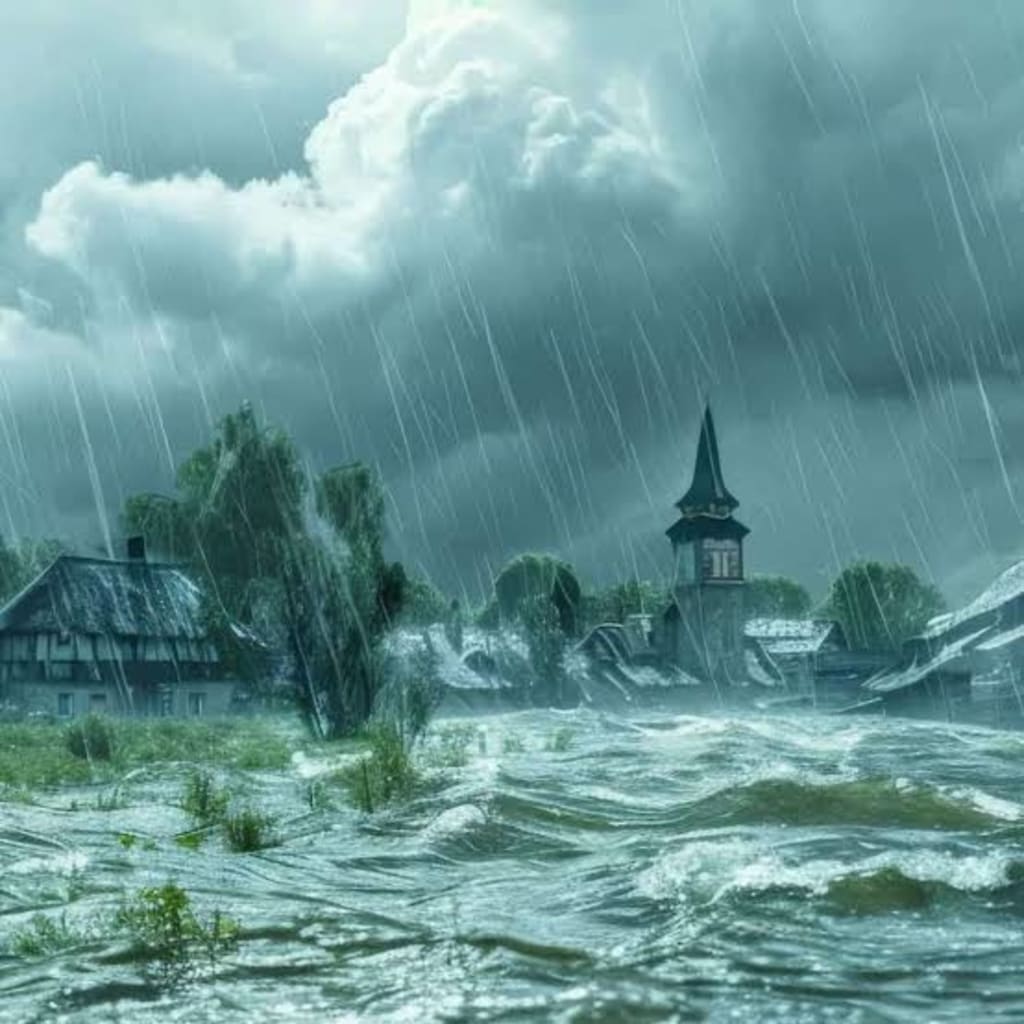
Rising temperatures, floods, and wildfires threaten communities across the country
France is confronting an unprecedented climate crisis as extreme weather events threaten the livelihoods of millions of citizens. Scientists and government officials warn that rising temperatures, severe droughts, floods, and wildfires are creating conditions that could lead to widespread economic, social, and environmental disruption.
The impacts of climate change are no longer distant projections—they are unfolding in real time, affecting cities, rural areas, and coastal regions alike. Experts say that without urgent action, many communities could face loss of property, farmland, and basic infrastructure.
The Scope of the Crisis
Recent studies indicate that millions of people in France are at risk due to the country’s increasing exposure to extreme weather:
Rising temperatures – Average temperatures are climbing, with heatwaves becoming more frequent and intense.
Flooding – Heavy rains and storms are causing rivers to overflow, especially in northern and central France.
Droughts – Southern and western regions are experiencing water shortages, affecting agriculture and drinking water supplies.
Wildfires – Forests in the south and Mediterranean regions are increasingly vulnerable to fast-spreading fires.
The combination of these factors threatens both urban and rural areas. Cities face risks of infrastructure damage, power outages, and health hazards, while rural regions may lose crops, livestock, and livelihoods.
Communities Most at Risk
Certain populations are particularly vulnerable:
Farmers – Crop failures due to drought and floods could lead to economic ruin for families and communities dependent on agriculture.
Coastal Residents – Rising sea levels and storm surges put coastal towns at risk of flooding and permanent land loss.
Low-Income Communities – Those living in older buildings without modern insulation or air conditioning are especially exposed to heatwaves and storms.
Elderly and Health-Compromised Individuals – Vulnerable groups face increased health risks during extreme heat, pollution events, or wildfire smoke.
Government reports suggest that without improved planning and emergency measures, millions could face loss of homes, income, and security in the coming decades.
Recent Extreme Weather Events in France
France has already experienced record-breaking heatwaves, flooding, and wildfires in recent years:
In 2023, temperatures exceeded 45°C in parts of southern France, overwhelming hospitals and infrastructure.
The Seine and Loire rivers have flooded multiple times in the past decade, destroying homes and displacing families.
Wildfires in Provence and Corsica have consumed thousands of hectares of forest, destroying property and threatening biodiversity.
These events illustrate the urgent reality of climate change, demonstrating that France is no longer facing a distant problem, but a current and escalating crisis.
Government Response and Challenges
French authorities have implemented measures to combat climate change and prepare communities, but challenges remain:
Climate Adaptation Plans – France has invested in flood defenses, forest management, and heatwave preparedness programs.
Renewable Energy Initiatives – Expanding solar, wind, and hydroelectric power is intended to reduce greenhouse gas emissions.
Urban Planning – Cities are introducing green spaces and cooling infrastructure to combat heat island effects.
However, experts warn that policy and investment have not kept pace with the scale of the threat. More ambitious actions, including rapid carbon reduction, improved disaster management, and community education, are needed to prevent large-scale displacement and economic loss.
Economic and Social Implications
The climate crisis is not just an environmental issue—it is a social and economic emergency:
Agricultural Losses – Reduced crop yields and livestock losses could drive up food prices and create economic instability.
Property Damage – Floods, fires, and storms can destroy homes, roads, and utilities, requiring costly repairs.
Migration Pressure – Displaced populations may move to urban centers, creating stress on housing, infrastructure, and public services.
Public Health – Heatwaves, polluted air, and wildfire smoke can lead to respiratory illness, heatstroke, and mental health challenges.
Without coordinated action, the economic and social costs of climate change could worsen inequality and threaten national stability.
Experts Call for Urgent Action
Climate scientists emphasize that France must accelerate its response:
Invest in Infrastructure – Build flood barriers, improve drainage systems, and retrofit homes to withstand heat and storms.
Enhance Early Warning Systems – Ensure communities receive timely alerts about extreme weather events.
Promote Sustainable Agriculture – Encourage water-efficient farming, crop diversification, and soil preservation.
Reduce Emissions – Transition to renewable energy and implement stricter environmental regulations.
Engage Citizens – Public awareness campaigns and community programs can help individuals prepare and respond effectively.
Experts stress that failure to act now could lead to irreversible damage, with millions potentially losing their homes, livelihoods, and security in the decades ahead.
Looking Ahead
France is at a crossroads. The next few years will determine whether the country can adapt to climate change effectively or face large-scale disruption. Policymakers, scientists, and citizens must work together to strengthen resilience, reduce emissions, and protect vulnerable communities.
While the challenges are immense, coordinated action, innovation, and public engagement could limit damage and ensure a safer future for millions of people across France.
Conclusion
France is facing a climate emergency that threatens millions of lives, homes, and livelihoods. Rising temperatures, floods, droughts, and wildfires are not just environmental concerns—they are human crises that demand immediate attention.
The warning is clear: without urgent action, countless communities may lose everything they have built. France’s response in the coming years will determine whether it can adapt, protect its citizens, and lead by example in the global fight against climate change.
About the Creator
Fiaz Ahmed
I am Fiaz Ahmed. I am a passionate writer. I love covering trending topics and breaking news. With a sharp eye for what’s happening around the world, and crafts timely and engaging stories that keep readers informed and updated.
Keep reading
More stories from Fiaz Ahmed and writers in The Swamp and other communities.
French Authorities Ban British Far-Right Activists from Gathering at Weekend
Security concerns prompt preventative measures ahead of planned protests French authorities have moved to ban a group of British far-right activists from gathering this weekend, citing public safety concerns and the potential for unrest. The decision highlights the challenges governments face in balancing freedom of assembly with preventing extremist activity. The planned gathering, organized by several far-right groups from the United Kingdom, was expected to take place in a public square in a major French city. Officials feared that the event could attract violent confrontations with counter-protesters or create broader public security risks. What Prompted the Ban? French interior ministry sources confirmed that intelligence reports indicated a high likelihood of conflict if the group were allowed to assemble. Authorities noted that previous demonstrations by similar organizations had sometimes escalated into clashes, property damage, and arrests. In a statement, the ministry emphasized: "While freedom of expression is respected, public safety and the protection of citizens take priority. We will not allow gatherings that risk violence or disruption." The move aligns with France’s broader approach to prevent extremist activity from spilling into public spaces, especially in urban centers with high population density. Reaction from Far-Right Groups The British far-right organizations involved criticized the ban, claiming it infringed on their right to peaceful assembly. Some leaders warned that the restrictions could heighten tensions, arguing that dialogue and debate should not be curtailed. However, analysts point out that many of these groups have a history of provocative actions. Online posts and past events suggested that participants intended to carry nationalist symbols and slogans, which could have triggered clashes with anti-fascist demonstrators. France’s Approach to Extremism France has long maintained strict regulations on extremist gatherings, particularly when they involve foreign participants. Law enforcement agencies coordinate closely with intelligence services to assess threats and implement preventive measures. Measures can include: Temporary bans on assemblies Heightened police presence in targeted areas Monitoring of online activity linked to potential organizers Authorities argue that such steps are necessary to avoid escalation, maintain public order, and protect citizens from potential violence. International Implications The ban also carries diplomatic implications. British officials have expressed concern about the restrictions, highlighting the delicate balance between security and civil liberties. French authorities, meanwhile, maintain that their actions are strictly domestic law enforcement, not a reflection on bilateral relations. Experts note that cross-border activism has become increasingly common, with far-right and far-left groups often traveling internationally to participate in protests. This trend complicates national security planning and requires coordinated intelligence sharing between countries. Public Safety Considerations Authorities emphasized that the ban is primarily a preventive public safety measure. France has experienced numerous instances of street clashes and civil unrest in recent years, making authorities particularly cautious. In addition to potential violence, officials cited risks such as: Traffic disruptions Property damage Strain on emergency services Potential for wider social unrest By acting in advance, authorities hope to mitigate these risks and avoid situations that could escalate quickly. Freedom of Assembly vs. Security The decision underscores the ongoing tension between freedom of assembly and the need for public safety. While democratic societies value the right to protest, governments are increasingly confronted with groups whose activities pose a threat to law and order. Legal experts note that bans are typically justified when: There is credible evidence of imminent violence Authorities have specific intelligence linking participants to extremist actions Public safety cannot be assured through other means France’s actions reflect this legal framework, aiming to balance civil liberties with citizen protection. Lessons for Europe and Beyond The ban on British far-right activists in France is part of a broader European effort to manage extremist movements. Many countries now face the challenge of foreign groups traveling to stage demonstrations, often coordinated through social media and online forums. Preventive measures like this highlight the importance of: Cross-border cooperation among law enforcement agencies Early intelligence gathering Public communication to explain security measures Analysts suggest that such policies, when carefully implemented, can prevent violence while upholding democratic principles. Conclusion The weekend ban on British far-right activists reflects France’s commitment to public safety, particularly in an era of increasing extremist activity. While the decision has sparked debate about civil liberties, officials maintain that preventing violence and maintaining order must remain the top priority. As cross-border activism grows, European nations face ongoing challenges in balancing freedom of assembly with the protection of citizens. The events this weekend in France serve as a reminder that security, diplomacy, and civil liberties are interconnected in today’s complex social landscape.
By Fiaz Ahmed a day ago in The Swamp
British Business Bank Makes Its Biggest Direct Bet Yet on Energy Tech
When you think about government-backed banks, “taking big risks” isn’t usually the first thing that comes to mind. But the British Business Bank (BBB) is changing that perception. Recently, it announced its largest direct equity investment ever — a whopping £25 million in Kraken Technologies, the AI-driven energy software company spun out of Octopus Energy.
By Muhammad Hassan6 days ago in The Swamp



Comments
There are no comments for this story
Be the first to respond and start the conversation.