
Europe Starts Learning How to Shoot Down Drones Amid Rising Threats
European nations ramp up training to detect and neutralize drones amid rising security threats.

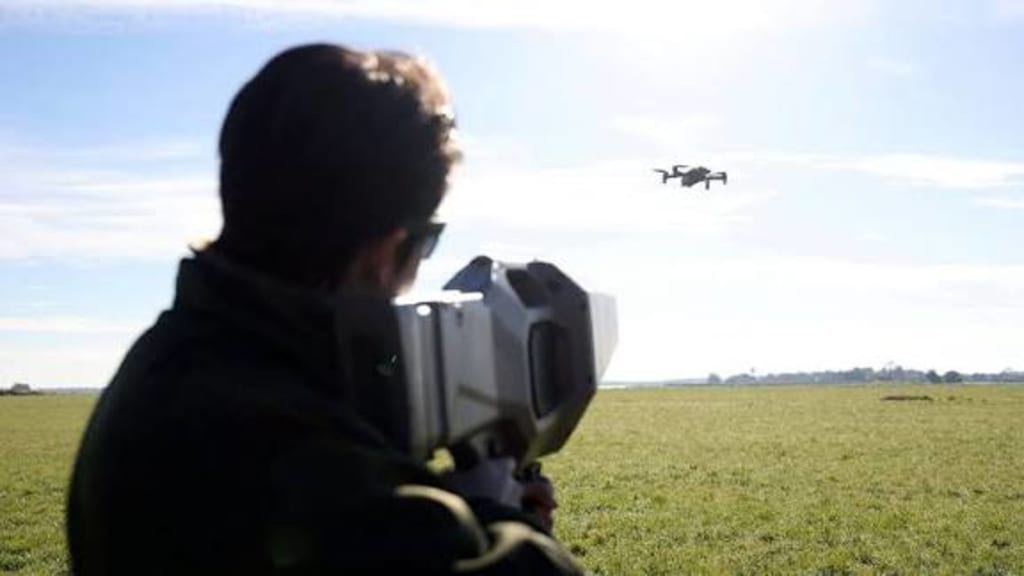
Europe is stepping up its defensive capabilities as nations across the continent begin training to detect and neutralize drones. With the increasing use of unmanned aerial vehicles (UAVs) for surveillance, smuggling, and even armed attacks, European defense authorities are treating drones as a serious security threat. Governments, militaries, and private security firms are now investing in counter-drone strategies to protect critical infrastructure, borders, and civilian populations.
Why Europe is Taking Drone Threats Seriously
Over the past few years, drones have transformed from hobbyist gadgets into sophisticated tools for both military and criminal purposes. European authorities cite several incidents where drones were used to:
Monitor sensitive military or industrial installations
Smuggle contraband across borders
Disrupt airports and commercial air traffic
Carry explosives in conflict zones
These incidents have highlighted the urgent need for effective counter-drone systems, particularly in countries with high-tech industries, dense urban centers, and critical infrastructure like nuclear plants, power grids, and transportation hubs.
Training Programs and Exercises
Several European nations, including Germany, France, and the United Kingdom, have launched training programs to teach military and security personnel how to identify, track, and neutralize drones. These exercises combine real-world simulations with advanced technology, including:
Radar and radio frequency detection systems
Anti-drone jamming and interception devices
Net-capture drones designed to physically bring down rogue UAVs
Laser and directed-energy systems for precise drone neutralization
Training is not limited to the military. Airports, energy facilities, and critical infrastructure operators are also learning how to spot drone incursions and respond rapidly, minimizing potential damage.
Technology Leading the Counter-Drone Effort
Europe’s counter-drone initiatives are heavily technology-driven. Advanced radars can detect drones as small as a few centimeters, while artificial intelligence (AI) systems analyze flight patterns to distinguish harmless recreational drones from potential threats. Jamming technologies can disrupt communication between drones and their operators, while autonomous interception drones can safely capture or destroy rogue UAVs.
Companies specializing in defense and cybersecurity are collaborating with governments to develop scalable solutions that can be deployed across airports, military bases, and urban centers.
Challenges in Counter-Drone Defense
Despite technological advances, countering drones is not straightforward. Experts point to several challenges:
1. Small Size and Agility – Modern drones are lightweight, fast, and highly maneuverable, making them difficult to track.
2. Proliferation – The sheer number of commercially available drones increases the likelihood of accidental or intentional incidents.
3. Legal Restrictions – Engaging or destroying drones near civilian areas raises legal and safety concerns. Counter-drone systems must comply with national and international laws.
4. Electronic Warfare – Some drones can switch frequencies or operate autonomously, bypassing traditional jamming methods.
These challenges make continuous training and technological upgrades essential for effective defense.
Collaboration Across Europe
European nations are increasingly sharing knowledge, technology, and best practices. Joint military exercises allow countries to simulate real-world drone threats and test new countermeasures under controlled conditions. Agencies such as Europol are also involved, emphasizing civilian protection and law enforcement coordination.
The European Union has recognized that drone threats are not confined by borders, and a coordinated approach is necessary to ensure public safety, protect critical infrastructure, and maintain airspace security.
Impact on Security and Defense Strategy
The rise of drones has led Europe to rethink traditional defense strategies. Modern threats are no longer limited to conventional military attacks; small, low-cost UAVs can create disproportionate disruption. By learning to counter drones effectively, European nations aim to:
Strengthen homeland security
Protect airports, ports, and key infrastructure
Support military operations in both domestic and international contexts
Build public confidence in national defense capabilities
Looking Ahead
As drone technology continues to evolve, Europe’s counter-drone efforts are expected to become more sophisticated and integrated. Future developments may include AI-powered early warning systems, swarming defense drones, and improved electronic warfare techniques. Training programs will continue to emphasize not only technical skills but also rapid decision-making, ensuring that operators can respond effectively to threats in real time.
The initiative reflects Europe’s proactive approach to emerging security challenges. By preparing for the worst-case scenarios today, nations aim to prevent incidents that could endanger lives, infrastructure, or national security tomorrow.
About the Creator
Fiaz Ahmed Brohi
I am a passionate writer with a love for exploring and creating content on trending topics. Always curious, always sharing stories that engage and inspire.
Keep reading
More stories from Fiaz Ahmed Brohi and writers in The Swamp and other communities.
Anthony Albanese Vows to Deploy All Resources Against Antisemitism as Criticism Mounts After Bondi Attack
Australian Prime Minister Anthony Albanese has pledged to deploy “every available resource” to combat antisemitism following a violent incident in Bondi that has reignited national debate over hate crimes, public safety, and political responsibility. The attack, which occurred in one of Sydney’s most iconic and diverse suburbs, has sent shockwaves across the country and drawn sharp criticism from opposition figures, community leaders, and civil rights advocates.
By Fiaz Ahmed Brohi3 months ago in The Swamp
A Gathering of Evil Bosses
“I’m the queen of chin jutting while I smooth my hair, attacking, insulting, and deflecting to protect my appointer.” “Oh, please, Blondi, my hair is curled, highlighted, and longer than yours. I feature television commercials telling immigrants that we will give them a free plane ride home, and if they voluntarily turn themselves in, they will be allowed to legally apply for re-entry. It runs everywhere, and I look good in it! You can’t compete because of your blond hair. Mine is nicer, and my lips are prettier than yours.”
By Andrea Corwin 23 days ago in The Swamp
Doing the Wash
Congress. An entity of our government that is supposed to be working for us, is just a money laundering criminal endeavor. If you aren't paying attention to what our government does, then you are part of the problem.Money laundering is a crime, and we are funding it.
By Alexandra Grant6 days ago in The Swamp
Becca
"Everything is so... flat." Denille said stupidly as she looked around her new neighborhood. She looked around at the muted desert where even the smallest sign of life seemed to have given up. The plant life was shrubs that were half cooked by the heat and where there should have been a lawn, a mess of white rocks laid glistening in the sun. Even the sky looked stretched thin, like the sun had ironed it smooth. She’d moved from Riverside, where at least there were hills, but here in Barstow, everything felt baked and brittle.
By Sara Wilson7 days ago in Fiction




Comments
There are no comments for this story
Be the first to respond and start the conversation.