
EU Scrambles to Avert Trump Greenland Tariffs, Prepares Retaliation
Brussels races to defuse a looming trade clash with Washington as former U.S. president Donald Trump threatens tariffs linked to Greenland, forcing Europe to balance diplomacy with economic defence.
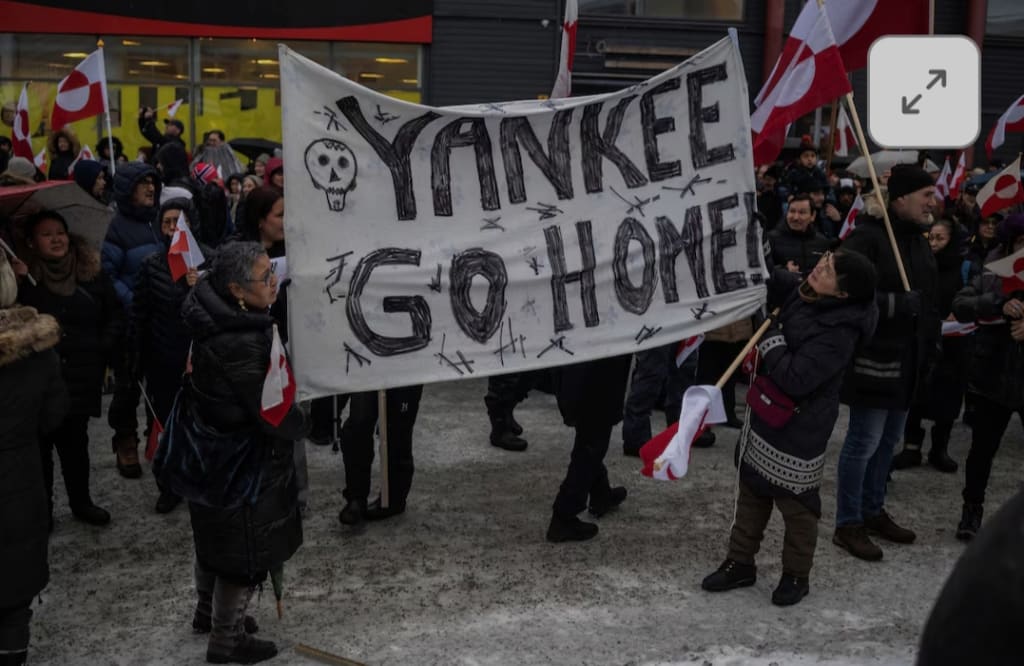
The European Union is moving swiftly to prevent a potential trade confrontation with the United States after Donald Trump threatened tariffs connected to Greenland, a move that has unsettled European capitals and revived memories of past transatlantic trade wars. While EU officials are seeking urgent dialogue to calm tensions, they are also quietly preparing retaliatory measures should negotiations fail.
The situation underscores how geopolitical issues, territorial interests, and trade policy are once again becoming tightly intertwined—placing the EU in a delicate position as it tries to protect its economic interests without escalating conflict with a key ally.
Why Greenland Is at the Center of the Dispute
Greenland, an autonomous territory within the Kingdom of Denmark, has long attracted strategic interest due to its vast natural resources, critical minerals, and strategic location in the Arctic. Trump previously made headlines by expressing interest in acquiring Greenland, a proposal firmly rejected by Denmark and the EU.
Now, Trump has revived the issue in a different form, threatening tariffs linked to Greenland-related trade, reportedly as leverage over strategic and economic concerns. Although the exact scope of the proposed tariffs remains unclear, EU officials fear they could target European exports or industries tied to Arctic development and resource access.
For Brussels, the threat is not just about Greenland—it is about precedent. Using tariffs to exert geopolitical pressure raises alarms across Europe.
EU’s Immediate Diplomatic Push
In response, the European Commission has launched a diplomatic effort to avert escalation. Senior trade and foreign policy officials are seeking clarification from U.S. counterparts and emphasizing the importance of dialogue over confrontation.
EU leaders stress that Greenland-related matters fall within international law and existing agreements, and they warn that unilateral trade measures would damage transatlantic trust. Behind closed doors, diplomats are working to separate geopolitical disagreements from trade policy, hoping to prevent tariffs from becoming a political weapon.
Publicly, EU statements remain measured, reflecting a desire to de-escalate while signaling firmness.
Preparing for Retaliation
Despite efforts to calm the situation, the EU is not taking the threat lightly. Officials have confirmed that retaliatory tariffs are being prepared as a contingency plan. These would likely target politically sensitive U.S. exports, following a strategy used during previous trade disputes.
European policymakers argue that being prepared is essential. Past experience with Trump-era tariffs on steel and aluminum showed that early readiness can strengthen the EU’s negotiating position.
While retaliation is viewed as a last resort, Brussels wants Washington to understand that Europe will defend its economic interests if pushed.
Economic Stakes for Europe
The EU and the U.S. share one of the world’s largest trade relationships. Any disruption risks harming industries on both sides of the Atlantic, from manufacturing and agriculture to technology and energy.
European exporters fear that uncertainty alone could damage investment and supply chains. Business groups are urging leaders to avoid a trade war, warning that tariffs would increase costs for consumers and undermine economic stability at a time when Europe is already grappling with inflation and slowing growth.
For smaller EU member states, particularly those with close economic ties to the U.S., the prospect of retaliation raises concerns about collateral damage.
Political Calculations Behind Trump’s Move
Analysts see Trump’s tariff threat as consistent with his “America First” trade philosophy, which favors aggressive tactics to extract concessions. Greenland’s strategic value in the Arctic—especially amid growing competition with China and Russia—adds another layer to the dispute.
By linking trade measures to geopolitical objectives, Trump is signaling that economic tools will remain central to his foreign policy approach. For the EU, this raises broader questions about how to manage relations with a U.S. leader willing to blur the lines between commerce and strategy.
EU Unity Put to the Test
Internally, the situation is also testing EU unity. While all member states support defending European interests, views differ on how hard a line to take. Some favor a strong, immediate response to deter further pressure, while others urge caution to preserve long-term transatlantic cooperation.
So far, Brussels has maintained a united front, emphasizing collective decision-making and shared interests. EU leaders are keen to avoid divisions that could weaken their negotiating leverage.
What Happens Next?
Much depends on whether diplomatic efforts succeed in defusing the tariff threat. If talks yield compromise or clarification, escalation may be avoided. If not, the EU appears ready to act.
Trade experts warn that even limited tariffs could trigger a cycle of retaliation that benefits no one. Yet they also note that failing to respond could encourage further pressure.
Conclusion
The EU’s response to Trump’s Greenland tariff threat reflects a careful balancing act: seeking dialogue while preparing for confrontation. Brussels hopes diplomacy will prevail, but it is making clear that Europe will not hesitate to defend itself if necessary.
As geopolitics and trade collide once again, the episode serves as a reminder that the transatlantic relationship—though strong—is not immune to tension. Whether cooperation or conflict defines the next chapter will depend on the choices made in the coming weeks.
About the Creator
Keep reading
More stories from Aarif Lashari and writers in The Swamp and other communities.
Iran’s Khamenei Blames Violent Protests on Trump
Iran is once again at the center of international attention after Supreme Leader Ayatollah Ali Khamenei blamed violent protests on former U.S. President Donald Trump, accusing Washington of fueling unrest inside the country. The comments come amid widespread demonstrations, a heavy security crackdown, and rising international concern over human rights and regional stability.
By Aarif Lashari2 days ago in The Swamp



Comments
There are no comments for this story
Be the first to respond and start the conversation.