
EU Poised to Sanction Iran’s Revolutionary Guard Over Protest Crackdown
“Europe Prepares New Measures in Response to Iran’s Protest Crackdown”
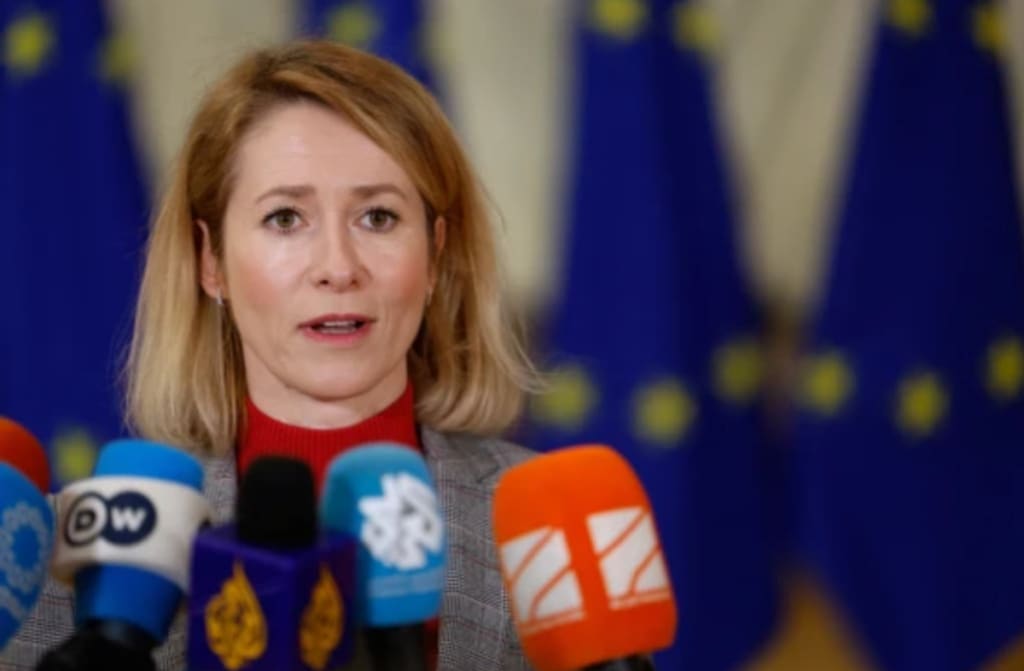
The European Union appears ready to take a strong stand against Iran’s Islamic Revolutionary Guard Corps (IRGC), moving toward sanctions over its role in suppressing nationwide protests. This could mark a turning point in how Western powers respond to Tehran’s crackdown on civil unrest and human rights abuses.
Here’s a breakdown of the situation, what the sanctions could mean, and why it matters to both Iran and the global community.
Why the EU Is Acting
Iran has been rocked by widespread protests, initially triggered by economic hardships and political grievances. These demonstrations quickly grew into nationwide movements, with ordinary citizens, students, and workers demanding change.
The Iranian government responded with force. Reports suggest thousands of arrests and numerous deaths, with the IRGC and its Basij militia playing a leading role in suppressing dissent. The scale of the crackdown has drawn international criticism, pushing the EU to consider a more aggressive response.
What the EU Proposes
On January 29, 2026, EU foreign ministers approved steps to sanction individuals and entities linked to the crackdown. Key aspects of the proposed measures include:
Travel bans and asset freezes on senior IRGC commanders
Expanding sanctions to organizations affiliated with the IRGC
A move to designate the IRGC as a terrorist organization, which would formally place it alongside globally recognized extremist groups
This shift marks a departure from previous EU actions that targeted individual officials rather than entire institutions. By going after the IRGC directly, the EU is signaling its seriousness about holding Iran accountable.
The IRGC’s Role in Iran
The Islamic Revolutionary Guard Corps was formed after Iran’s 1979 revolution and has since become a major military, political, and economic force. Unlike the conventional Iranian military, the IRGC operates independently and controls significant sectors of the economy.
During the recent protests, the IRGC deployed its Basij militia to suppress demonstrators. These actions have drawn condemnation from human rights organizations, which accuse the Guard of using excessive force against civilians. This has been the central reason behind the EU’s decision to consider broader sanctions.
What Sanctions Could Mean
Designating the IRGC as a terrorist organization carries both symbolic and practical consequences:
It sends a strong message that the EU condemns human rights abuses.
Travel and financial restrictions could limit the Guard’s international operations.
Companies associated with the IRGC may face economic barriers, affecting their ability to do business globally.
While the immediate effect may be limited to Europe, the move sets a precedent and increases international pressure on Tehran.
Reactions From Iran and Abroad
Tehran has denounced the potential sanctions as foreign interference, warning of possible retaliatory measures. Iran’s officials argue that the EU is overstepping by targeting their military and security institutions.
Meanwhile, human rights groups and some European lawmakers have welcomed the move. They argue that holding institutions accountable is necessary when governments violate citizens’ rights. The debate highlights the EU’s balancing act: standing up for human rights while avoiding escalation that could worsen diplomatic tensions.
Broader Implications
The sanctions could affect diplomacy, trade, and regional stability. Iran’s relationship with Europe, already complicated, may face further strain. Nuclear negotiations, economic discussions, and regional security dialogues could all be impacted by the EU’s stance.
For the international community, this step represents a message: repressive actions against civilians carry consequences. By sanctioning an entire institution rather than just individuals, the EU is signaling a stronger, more coordinated approach.
Lessons for Global Politics
This situation illustrates a broader point: human rights and geopolitics are often intertwined. Policymakers must weigh moral responsibilities against potential consequences in diplomacy.
For citizens watching from abroad, the EU’s actions highlight the role of international organizations in promoting accountability and the challenges of responding to complex situations without escalating conflict.
Why This Matters
The proposed EU sanctions are significant because they:
Target a powerful and influential military institution rather than just individuals.
Reflect growing concern over Iran’s treatment of protesters.
Could influence other countries’ policies toward Iran and the IRGC.
The world is closely watching, as these measures may set a benchmark for future responses to human rights violations globally.
Final Thoughts
The EU’s decision to sanction Iran’s Revolutionary Guard over the protest crackdown is a notable step in international diplomacy. It highlights the tension between defending human rights and managing complex geopolitical relationships.
As the EU finalizes its actions and Iran responds, the situation will likely continue to evolve. For the international community, this is a reminder that accountability and diplomacy often go hand in hand, and that global attention can influence even the most powerful institutions.
About the Creator
Harry Says Sacrifices by NATO Troops in Afghanistan Deserve Respect
Prince Harry’s recent remarks emphasizing that the sacrifices made by NATO troops in Afghanistan deserve respect have reignited an important conversation—one that goes beyond politics, strategy, or headlines and reaches into the human cost of war. His words serve as a reminder that behind every military operation are real people who carried heavy burdens, faced unimaginable risks, and, in many cases, paid the ultimate price.
By Ayesha Lashari6 days ago in The Swamp
Pornhub to Restrict Access for UK Users From Next Week
Pornhub, one of the world’s largest adult entertainment platforms, will restrict access for UK users starting next week, following ongoing legal scrutiny and regulatory pressures over content moderation and age verification. The move marks a significant development in the UK’s attempts to control online pornography and protect users from illegal or inappropriate content.
By Ayesha Lasharia day ago in The Swamp



Comments
There are no comments for this story
Be the first to respond and start the conversation.