
Elon Musk’s xAI Datacenter Generating Extra Electricity Illegally, Regulator Rules
Controversy Strikes One of Musk’s AI Ventures
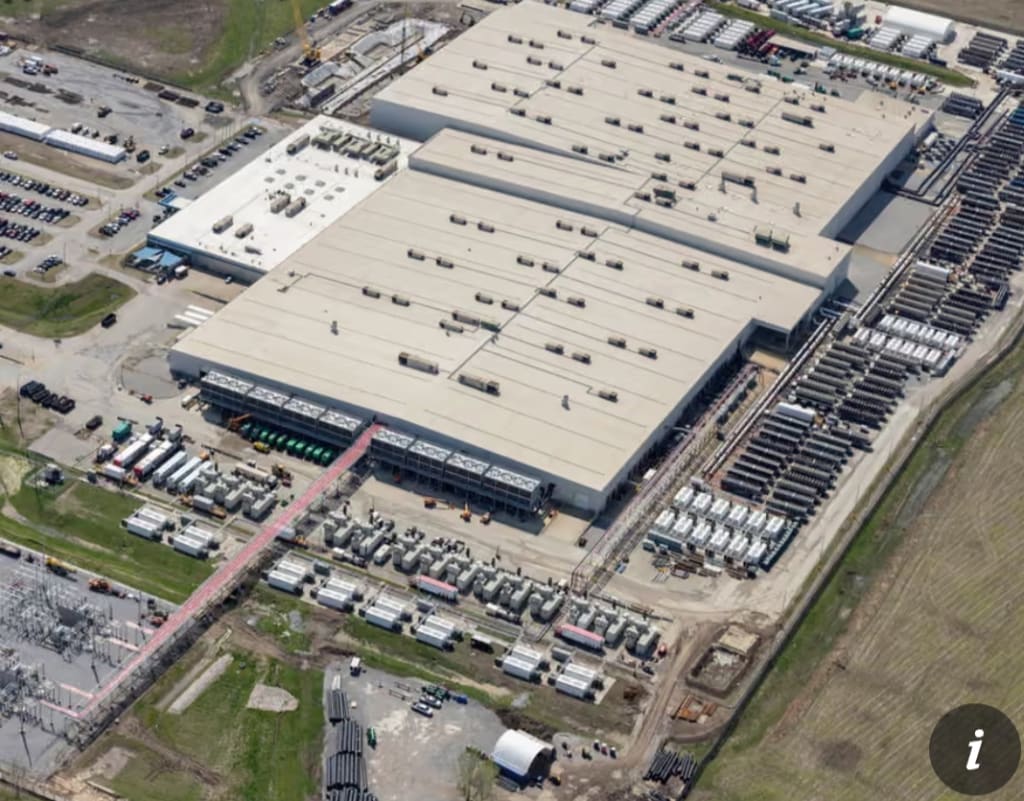
Elon Musk, known for pushing boundaries in technology—from electric cars to space exploration—is now facing scrutiny over one of his latest ventures. According to a recent ruling by a national energy regulator, xAI’s datacenter has been generating more electricity than authorized, a violation of regulations designed to ensure fair and safe power distribution.
The announcement has sparked widespread debate, raising questions about corporate responsibility, regulatory oversight, and the environmental impact of large-scale artificial intelligence operations.
The Regulator’s Findings
Authorities revealed that xAI’s datacenter, a facility designed to support the company’s artificial intelligence research and operations, produced electricity beyond its permitted levels. While datacenters are already known for high energy consumption, regulators have strict rules to prevent overproduction or unreported energy usage, which can strain local grids, interfere with supply, and bypass reporting requirements.
According to the official ruling, xAI had not properly disclosed the additional electricity generation, prompting concerns about transparency and compliance. The facility reportedly used advanced power systems to augment its energy needs, but the unapproved scale of this generation triggered the investigation.
Why Datacenters Consume Massive Energy
AI datacenters, particularly those supporting large-scale models, require enormous computational power. GPUs, specialized processors, and cooling systems all consume vast amounts of electricity. Estimates suggest that training cutting-edge AI models can consume millions of kilowatt-hours, rivaling the energy usage of small cities.
This context helps explain why xAI’s datacenter may have sought to supplement its energy needs independently. By generating extra electricity on-site, the company may have aimed to ensure uninterrupted operations and maintain performance, but regulators view such actions as a violation when they exceed permitted levels or bypass official reporting channels.
Musk’s Track Record With Energy
Elon Musk’s ventures have long intersected with energy production. Tesla’s solar and battery projects, along with SpaceX’s energy-intensive launches, have consistently challenged conventional energy norms. Musk has promoted self-sufficient power systems, often emphasizing renewable energy and sustainability.
However, past successes do not exempt new projects from compliance. The xAI ruling underscores that even high-profile innovators must adhere to regulations designed to maintain grid stability and protect communities.
Implications for AI Development
The incident highlights a broader tension between rapid technological advancement and regulatory frameworks. AI companies often operate on the cutting edge of computational demand, pushing systems beyond traditional limits. Yet this rapid growth can clash with established rules designed for safety and fairness.
Experts note that energy-intensive AI models are increasingly under scrutiny for environmental and legal compliance. “We are entering an era where computational growth must balance innovation with responsibility,” says energy analyst Dr. Priya Menon. “Datacenters can no longer operate in isolation from their energy obligations.”
Potential Consequences for xAI
The regulator’s ruling could carry multiple consequences. These may include fines, mandatory operational adjustments, or stricter oversight, depending on the severity of the violation and the company’s response. There is also the possibility that local authorities could impose limits on future datacenter expansions.
For Musk and xAI, the ruling presents both a legal and reputational challenge. Critics argue that even if the overproduction was intended to support AI research, ignoring regulatory limits sets a concerning precedent for corporate behavior in high-stakes technology sectors.
The Public Reaction
The news has sparked debate across social media and industry circles. Some defend Musk’s approach, citing the necessity of uninterrupted energy for AI research, while others criticize the move as another example of tech giants operating above the law.
Environmental groups have also weighed in, noting that unauthorized energy generation can have broader implications for grid stability and carbon emissions, depending on the source of power. The discussion is amplifying scrutiny on energy practices within the fast-growing AI industry.
Regulatory Oversight in the AI Era
The xAI case exemplifies the growing role of regulatory bodies in overseeing high-tech energy use. As AI applications expand, so does the demand for power. Datacenters cannot simply scale energy consumption at will; regulators must ensure compliance with grid capacities, environmental standards, and reporting protocols.
This situation may prompt new policies specifically targeting AI-specific energy consumption, potentially affecting not just xAI but other tech companies operating large-scale computational infrastructures.
Musk Responds
As of now, Elon Musk has not released a formal statement addressing the ruling. However, his companies’ history suggests that compliance adjustments are likely while maintaining operational priorities. Musk has previously framed regulatory challenges as opportunities to innovate around limits, and xAI may explore ways to align its energy generation practices with legal requirements while sustaining AI workloads.
Broader Implications for the Tech Industry
The xAI ruling is a cautionary tale for the tech world. It illustrates that even powerful innovators cannot ignore energy regulations, particularly when operations have systemic impacts on communities and the environment.
For emerging AI companies, this incident underscores the need to integrate legal compliance, sustainability, and innovation. Failure to do so may result in penalties, public backlash, and operational disruption—issues that can undermine even the most ambitious technological goals.
Conclusion
The case of Elon Musk’s xAI datacenter generating electricity illegally is more than a regulatory headline—it is a snapshot of the complex relationship between technology, power, and oversight. As AI continues to grow in scale and influence, the balance between innovation and compliance will become ever more critical.
For xAI, the immediate task is clear: adjust operations to meet regulatory standards. For the industry at large, the message is equally clear—responsible energy use is not optional in the era of AI. Musk’s next move will likely shape not only his company’s trajectory but also the broader conversation around sustainable, lawful energy practices in cutting-edge technology.
About the Creator
Keep reading
More stories from Aarif Lashari and writers in The Swamp and other communities.
The Family Murrin: A Story of Resilience, Identity, and Change
In every community, there are families whose histories weave together with the stories of the land itself. The Murrin family is one such family—known not just for their longevity in a particular region, but for the way their story reflects broader social and cultural changes over generations. From humble beginnings to modern challenges, the Murrins embody resilience, adaptation, and the quiet strength of family bonds.
By Aarif Lashariabout 5 hours ago in The Swamp
Electric Kick Scooter Market Outlook 2025–2033
Introduction Once seen as novelty gadgets for short commutes, electric kick scooters have rapidly become a defining symbol of modern urban mobility. From crowded European capitals to fast-growing Asian megacities, these compact vehicles are reshaping how people navigate short distances. Their appeal lies in a compelling combination of affordability, portability, and zero tailpipe emissions—attributes that align perfectly with global efforts to reduce congestion and carbon footprints.
By Marthan Sir4 days ago in The Swamp



Comments
There are no comments for this story
Be the first to respond and start the conversation.