
Elephant Kills Tourist at Thailand National Park, Third Fatality Linked to Same Animal Raises Safety Concerns
Authorities tighten security and review wildlife management policies after repeated deadly encounters with a wild elephant
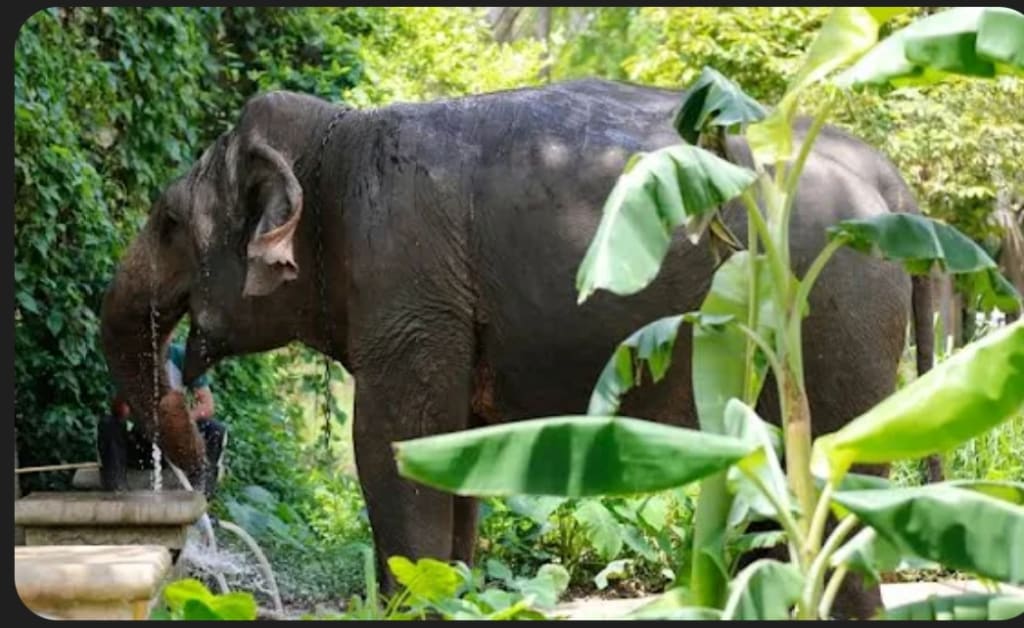
A tragic incident at a popular national park in Thailand has once again raised serious concerns about tourist safety and wildlife management, after a wild elephant killed a foreign tourist earlier this week. The victim became the third person to lose their life in separate incidents linked to the same animal, prompting urgent action from park authorities and renewed debate over human-wildlife interactions.
According to officials from Thailand’s Department of National Parks, Wildlife and Plant Conservation, the incident occurred when the tourist was visiting a forested area known for elephant activity. Witnesses reported that the elephant charged unexpectedly, giving the victim little time to escape. Park rangers and emergency responders arrived quickly, but the tourist was pronounced dead at the scene.
A Pattern of Deadly Encounters
This latest tragedy marks the third fatality associated with the same elephant within the past two years. Previous incidents involved a local park worker and a nearby villager, both of whom were killed during unexpected encounters with the animal.
Authorities believe the elephant, a mature male known to roam across a wide territory, has become increasingly aggressive. Experts suggest that stress, habitat loss, and frequent human contact may have altered its natural behavior.
Wildlife officials stated that while elephant attacks are rare, repeated incidents involving the same animal indicate a serious behavioral problem that cannot be ignored.
“This is not an isolated case,” a senior park official said. “When one animal is linked to multiple fatalities, it becomes a matter of public safety.”
Growing Tourism and Rising Risks
Thailand’s national parks attract millions of visitors each year, drawn by rich biodiversity, lush landscapes, and iconic wildlife such as elephants, tigers, and rare birds. Elephant sightings, in particular, are considered a highlight for many tourists.
However, increased tourism has also brought people closer to wild animals than ever before. In some areas, visitors ignore safety guidelines in pursuit of photographs or social media content, unknowingly putting themselves at risk.
Conservationists warn that close contact disrupts natural animal behavior and can provoke defensive or aggressive responses.
“Wild elephants are not trained animals,” explained a wildlife biologist based in Bangkok. “They are unpredictable, especially when they feel threatened or stressed by human presence.”
Possible Causes Behind the Aggression
Experts are now investigating why this particular elephant has shown repeated aggressive tendencies. Several factors may be contributing to the problem:
Habitat Loss: Expanding agriculture and development have reduced forest areas, forcing elephants into closer contact with humans.
Food Shortages: Limited natural food sources may drive elephants toward tourist zones and villages.
Human Provocation: Past encounters involving loud noises, flash photography, or attempts to approach the animal could have triggered defensive behavior.
Stress and Isolation: Male elephants, especially during mating periods, can become more aggressive due to hormonal changes.
These combined pressures may have altered the elephant’s instincts, making it more likely to react violently.
Government Response and Safety Measures
Following the latest incident, Thai authorities have announced stricter safety measures at the affected national park. These include:
Temporary closure of high-risk areas
Increased ranger patrols
Installation of warning signs and monitoring systems
Limiting access during peak elephant activity hours
Enhanced visitor education programs
Officials are also considering whether the elephant should be relocated to a more remote area or placed under close surveillance.
Relocation, however, is not a simple solution. Moving a wild elephant can be dangerous and stressful for the animal and may not guarantee improved behavior.
“We must balance public safety with animal welfare,” said a spokesperson from the wildlife department. “Our goal is to prevent future tragedies without harming Thailand’s natural heritage.”
Debate Over Wildlife Management
The incident has sparked a nationwide discussion on how Thailand manages its wildlife and tourism industry. Some critics argue that authorities have been slow to respond despite earlier
About the Creator
TKMS, Seaspan Shipyards sign teaming for Canadian Patrol Submarine Project
A strategic partnership aims to strengthen Canada’s naval future Germany’s Thyssenkrupp Marine Systems (TKMS) and Seaspan Shipyards of Canada have signed a teaming agreement for the Canadian Patrol Submarine Project, marking a major step forward in Canada’s effort to modernize its underwater fleet. The partnership brings together international submarine expertise and domestic shipbuilding capability, setting the stage for one of the most important defense procurement programs in Canadian history. The agreement reflects Canada’s growing focus on maritime security, Arctic operations, and fleet renewal, while also supporting long-term industrial growth at home. Why Canada Needs New Patrol Submarines Canada’s current submarine fleet has served the country for decades, but evolving security challenges and aging platforms have increased the need for replacement. Modern patrol submarines are essential for: Protecting national waters Monitoring Arctic and coastal regions Supporting NATO commitments Deterring potential threats below the surface As global competition intensifies in the world’s oceans, submarines remain one of the most effective tools for surveillance and defense. Canada’s vast coastline and growing Arctic interests make underwater capability especially critical. Who Are the Partners? Thyssenkrupp Marine Systems (TKMS) TKMS is one of the world’s leading designers and builders of submarines and surface warships. The company is best known for its advanced conventional submarines, which are used by navies across Europe, Asia, and beyond. TKMS brings decades of experience in stealth technology, underwater endurance, and combat systems integration. Seaspan Shipyards Seaspan Shipyards is Canada’s largest shipbuilding company and a key partner in the country’s National Shipbuilding Strategy. Based in British Columbia, Seaspan has been responsible for delivering major naval and coast guard vessels while building up Canada’s industrial and technical workforce. Together, the two companies aim to combine global expertise with local production, ensuring that Canada gains both advanced submarines and long-term economic benefits. What the Teaming Agreement Means A teaming agreement is an early-stage partnership that outlines how companies will work together if selected for a major defense program. In this case, it signals TKMS and Seaspan’s joint intent to compete for the Canadian Patrol Submarine Project as a unified team. Key elements of the agreement include: Shared design and production planning Canadian-based construction and assembly Technology transfer and skills development Long-term maintenance and support in Canada This approach aligns with Canada’s requirement that major defense projects support domestic industry and create jobs. Boosting Canada’s Shipbuilding Industry One of the most significant aspects of the partnership is its potential impact on Canada’s shipbuilding sector. By involving Seaspan in submarine construction, the project would help develop underwater vessel expertise within Canada — an area traditionally limited to a few specialized countries. Benefits include: Creation of high-skilled jobs Development of advanced manufacturing capabilities Strengthening of Canada’s defense supply chain Reduced reliance on foreign maintenance facilities Over time, this could position Canada as a regional center for submarine support and modernization. Strategic Importance of Submarines Submarines play a unique role in modern naval operations. Unlike surface ships, they can operate undetected for long periods, making them ideal for intelligence gathering and deterrence. For Canada, patrol submarines are especially valuable for: Arctic sovereignty missions, where stealth is essential Monitoring shipping lanes and underwater activity Training and joint exercises with allies Defending maritime approaches The TKMS-Seaspan partnership aims to deliver submarines capable of meeting these demands in both peacetime and high-tension environments. Global Context and Competition Canada’s submarine project is drawing interest from several international defense companies. Many countries are upgrading their underwater fleets as naval competition increases in the Atlantic, Pacific, and Arctic regions. By teaming with TKMS, Seaspan gains access to proven submarine designs that can be adapted to Canada’s specific needs. For TKMS, the partnership offers a strong local presence and a path to meeting Canada’s industrial participation requirements. This combination improves the bid’s competitiveness while reducing technical and delivery risks. Challenges Ahead Despite the promise of the partnership, the project still faces challenges. Large defense procurements are complex, involving: Long timelines High costs Strict technical requirements Political and budgetary oversight Both companies will need to demonstrate that their proposal is cost-effective, reliable, and aligned with Canada’s strategic goals. Clear planning, transparency, and strong coordination will be essential for success. What This Means for Canada’s Navy If selected, the TKMS-Seaspan team could play a central role in shaping the future of Canada’s submarine fleet. Modern patrol submarines would significantly enhance the Royal Canadian Navy’s ability to operate in challenging environments and support allied missions. More importantly, the project represents a shift toward greater self-reliance, ensuring that Canada can build, maintain, and upgrade critical naval assets at home. Conclusion The teaming agreement between TKMS and Seaspan Shipyards marks an important milestone in Canada’s pursuit of next-generation patrol submarines. By combining international submarine expertise with domestic shipbuilding strength, the partnership offers a compelling vision for modernizing Canada’s underwater capabilities. As the Canadian Patrol Submarine Project moves forward, this collaboration highlights the growing importance of strategic partnerships, industrial development, and maritime security. Whether ultimately selected or not, the agreement underscores Canada’s commitment to building a capable navy while investing in its own defense industry for the long term.
By Fiaz Ahmed 5 days ago in The Swamp
“A Century-Old Surprise: French Man Hospitalized with World War I Shell in His Rectum”
In a case that sounds more like a plot from a dark comedy or a surreal medical drama, a 24-year-old man in France recently arrived at a hospital with an extremely unusual and dangerous object lodged in his rectum: a World War I-era shell. The incident, while shocking in its details, highlights the unexpected intersections between history and modern medicine, as well as the often bizarre emergencies that emergency rooms encounter.
By Ayesha Lashariabout 18 hours ago in The Swamp
A Letter to the Firestarter
Dear Firestarter, We can all see you, we've been watching you since you began. In case you didn't know we were here before you and we will be here after. We witnessed your rise, your setbacks, your guilt and your lies. We witnessed you start the fire.
By Donny Foley5 days ago in Poets




Comments
There are no comments for this story
Be the first to respond and start the conversation.