
Dozens Found Hanged in Ecuador Prison: A Deadly Snapshot of a Broken System
“Inside Ecuador’s prison crisis, where gang violence, corruption, and state neglect have turned correctional facilities into killing fields.”

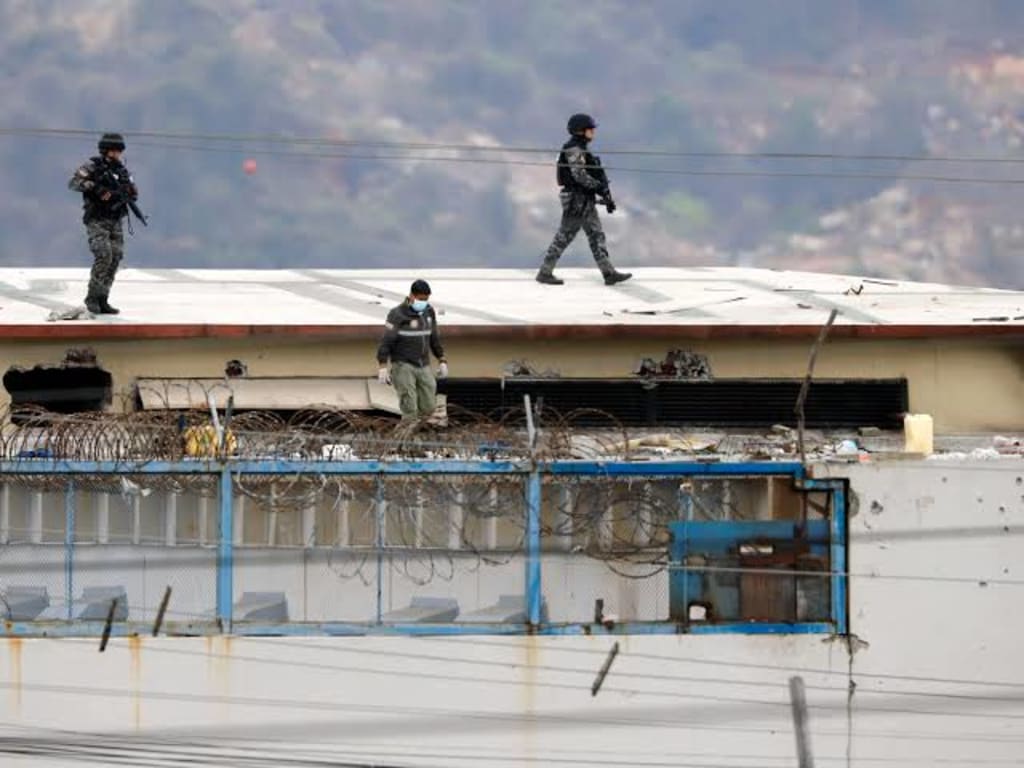
A chilling scene unfolded on Sunday in the coastal city of Machala, Ecuador: authorities discovered at least 27 inmates dead by asphyxiation in a state prison, many apparently victims of hanging or suspension. Earlier on the same day, a riot erupted in the same facility, leaving four more inmates dead and dozens injured. This horrifying event marks the latest in a string of violent outbreaks inside Ecuador’s prisons—an alarming indicator of systemic failure.
The Incident: What Happened?
At the prison in Machala, in the El Oro province of southwestern Ecuador, local residents reported hearing gunfire, explosions and screams early Sunday morning. The prison authority (SNAI) confirmed that special police units regained control after the riot and subsequently discovered 27 bodies in a separate area of the facility that had died by “immediate death by hanging.”
According to officials, the uprising may have been triggered by the planned transfer of inmates into a new maximum-security prison built by the government. At least 33 inmates and one police officer were reported injured in the morning riot.
Why the Death Toll Was So High
Several factors contribute to the scale and brutality of this event. First, Ecuador’s prison system is enormously overcrowded and under-resourced. Reports suggest that the prison population far exceeds capacity, with inmates often controlling large parts of the facilities themselves.
Second, many prisons have become operational hubs for rival gangs linked to drug trafficking networks in Colombia and Mexico. These gangs wield significant power behind bars, controlling territory, weapons, and even prisoner movements.
Third, the planned re-organization of inmates—moving them to the new facility—may have triggered a power struggle. Transferring key gang members or changing pavilion allocations can upset delicate balances, sparking violent backlash.
The Bigger Picture: Ecuador’s Prison Crisis
This incident is not an isolated one. Since 2021, more than 500 inmates have been killed in Ecuadorian prison riots and massacres. Human rights organisations warn of a “sustained crisis” inside the system: poor health services, lack of oversight, and near-impunity for prison violence.
One earlier massacre in September 2021 at the Penitenciaría del Litoral (Guayaquil) left some 119 dead—still among the largest prison killings in Latin American history.
What This Means for Ecuador’s Government and Society
For the government of President Daniel Noboa and prison authorities, the event raises urgent questions about security, governance and human rights. The fact that so many inmates died by hanging suggests either collusion, mass retaliation, or a breakdown of monitoring—none of which reflect well on the state’s control of its penal system.
The role of gangs inside prisons undermines the rule of law: when rival factions can stage mass killings and officials cannot prevent or immediately respond, the prison walls become war zones rather than correctional facilities.
For society at large, such outbreaks deepen fears about public safety, the drug-trafficking links that seep into communities, and the costs of incarceration that fails to rehabilitate.
What Needs to Happen Next
1. Immediate investigation – Authorities must conduct full forensics, identify the victims, clarify how the hangings occurred, and hold those responsible to account. Transparency is key to restoring credibility.
2. Structural reforms – Overcrowding, understaffing and gang control must be addressed. Investment in modern facilities, segregation of rival gangs, and better training for guards is crucial.
3. Break gang dominance – The state must reclaim control of prisons from criminal organisations. That means intelligence, surveillance, and a crackdown on smuggled weapons and contraband.
4. International cooperation – Given the trans-national nature of the drug trade and gang networks, Ecuador should deepen cooperation with neighbouring Colombia and Peru, and with international agencies focused on organised crime.
Final Thoughts
When dozens of inmates are found hanged inside a prison following a violent riot, it signals more than a tragedy—it signals a system in collapse. Ecuador’s prisons have become deadly arenas where gang warfare, corruption and state neglect converge. The Machala incident may shock, but it is also representative of the urgent challenge facing the country: how to transform prisons from sites of violence into centres of public safety and rehabilitation. Until that happens, the story is likely to repeat itself.
About the Creator
Fiaz Ahmed
I am Fiaz Ahmed. I am a passionate writer. I love covering trending topics and breaking news. With a sharp eye for what’s happening around the world, and crafts timely and engaging stories that keep readers informed and updated.
Keep reading
More stories from Fiaz Ahmed and writers in The Swamp and other communities.
A Symbol and a Strain: The USS Harry S. Truman’s Return and the Navy’s Future Dilemma
The recent return of the Nimitz-class aircraft carrier USS Harry S. Truman to U.S. waters following an extended deployment has stirred debate in naval strategy circles. Far from a celebratory homecoming, for many in the fleet it’s become a reminder of the mismatch between Cold War-era force structures and the demands of 21st-century warfare. In that sense, the carrier’s return is being seen—by some—as an affront to the navy of the future.
By Fiaz Ahmed 2 months ago in The Swamp



Comments
There are no comments for this story
Be the first to respond and start the conversation.