
Dow Set to Fall More Than 700 Points on Trump’s New Tariff Threat Over Greenland
How Wall Street and Global Markets Are Reacting to a Sudden Escalation in Trade Tensions

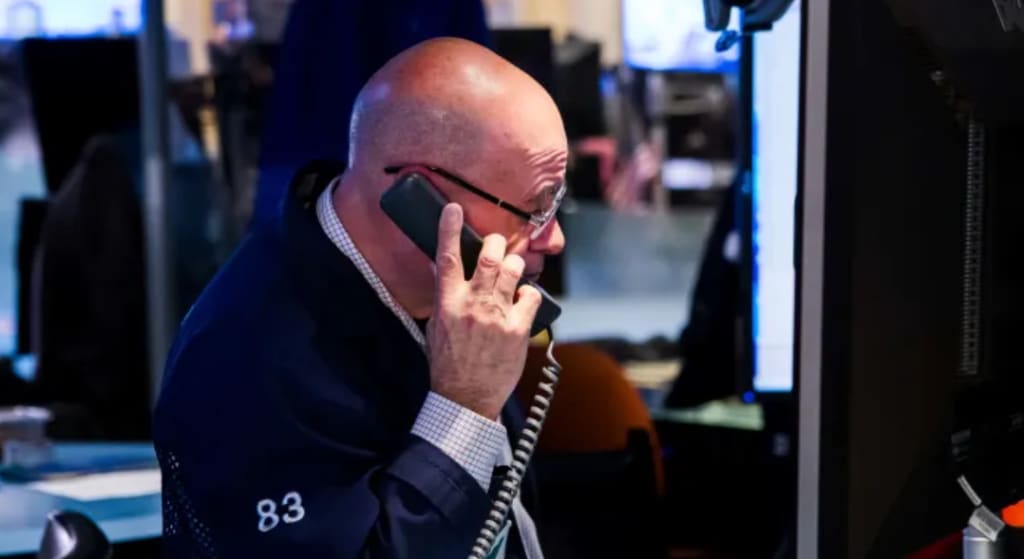
Wall Street is bracing for a rough start to the week as the Dow Jones Industrial Average looks set to tumble sharply — potentially by more than 700 points — following a fresh round of tariff threats by former U.S. President Donald Trump. This new escalation revolves around Greenland, a vast Arctic territory of strategic importance, and has already rattled investors and markets worldwide.
Futures for the Dow, S&P 500, and Nasdaq have all weakened significantly, pointing to a major sell-off when trading resumes. Analysts say the combination of geopolitical uncertainty and the potential for a new trade conflict with major European allies has created heightened anxiety among traders and investors alike.
What Sparked the Market Drop?
Trump’s latest announcement shocked the markets. He warned that the United States may impose new tariffs on imports from several NATO and European countries unless they negotiate over his controversial Greenland plans.
Investors immediately feared the repercussions of a broad trade dispute. A prolonged tariff war could hurt corporate earnings, disrupt global supply chains, and slow economic growth. The Dow’s expected 700-point decline reflects concerns about these potential consequences.
In Europe, the reaction was equally swift. Major indices such as Germany’s DAX and France’s CAC 40 fell more than 1% as traders priced in the risk of retaliatory measures. Meanwhile, safe-haven assets like gold and silver surged, as investors sought protection against rising uncertainty.
The Details of Trump’s Tariff Threat
Trump’s plan involves tariffs tied directly to Greenland, targeting imports from Denmark, Norway, Sweden, France, Germany, the Netherlands, Finland, and the United Kingdom. Initially, a 10% tariff would be imposed starting February 1. If negotiations fail by June 1, tariffs could jump to 25%, potentially escalating tensions further.
This strategy is unprecedented because it targets allied nations rather than traditional trade rivals. Experts say it’s a bold move intended to pressure European governments into negotiating over Greenland, which Trump has repeatedly suggested could be of strategic and economic interest to the U.S.
European leaders reacted strongly. British Prime Minister Keir Starmer called the threat “completely wrong,” while France’s Emmanuel Macron warned of coordinated EU retaliation if the tariffs go into effect. This diplomatic pushback adds another layer of complexity to the market reaction.
How Global Markets Are Reacting
The tariff threat is sending shockwaves across global markets:
U.S. Stocks: Dow futures indicate a drop of over 700 points, with tech-heavy indices like the Nasdaq and S&P 500 also down sharply.
European Markets: Germany, France, and other major indices fell as fears of a full-blown trade conflict escalated.
Safe-Haven Assets: Gold and silver prices climbed as investors sought refuge from the volatile stock markets.
Currencies: Traditional safe-haven currencies like the Swiss franc and Japanese yen strengthened against the U.S. dollar.
Investors are watching the situation closely, worried that retaliatory tariffs from Europe could total billions of dollars in trade restrictions, further destabilizing global markets.
Why Investors Are Concerned
Several factors explain why Wall Street is reacting so strongly:
Uncertainty Over Trade: The tariffs could spark a broader trade war with Europe, affecting multinational corporations with significant exposure to European markets.
Corporate Earnings Risk: Higher tariffs usually translate to increased costs for U.S. companies, which could reduce profits and shake investor confidence.
Geopolitical Tensions: This is a rare instance where trade policy is being used to pressure allies, creating additional unpredictability.
Analysts caution that while volatility may be temporary, the potential economic impact could be serious if negotiations fail and tariffs are imposed.
Investor Behavior in Times of Crisis
When markets face sudden geopolitical shocks, investors typically move funds toward “safe-haven” assets. In this case, we’ve seen:
Gold and silver prices rise significantly.
Flight to secure currencies like the yen and Swiss franc.
Equity sell-offs as traders exit riskier positions in tech and industrial stocks.
These moves reflect broader market psychology: when uncertainty spikes, even short-term threats can trigger massive sell-offs.
The Politics Behind the Markets
Trump framed his Greenland tariffs as both a national security priority and an assertion of U.S. leverage. By threatening tariffs, he appears to be using economic pressure to influence European governments.
European leaders, however, see it as an overreach. Starmer described the approach as “completely wrong” and warned it could escalate into unnecessary economic conflict. Macron echoed this sentiment, warning of coordinated EU retaliation if the tariffs are imposed.
The situation underscores how closely politics and markets are intertwined. Geopolitical decisions now have immediate financial consequences, and markets are extremely sensitive to diplomatic developments.
What Happens Next?
Investors and traders are watching three key areas:
Corporate Earnings Reports: These will indicate how resilient U.S. companies are to rising trade uncertainty.
Economic Data: Jobs, inflation, and central bank signals could either calm or worsen market volatility.
Diplomatic Negotiations: Talks between Washington and European capitals could ease tensions or further escalate the threat.
The Dow’s projected drop of more than 700 points is a stark reminder of how quickly geopolitical events can influence investor confidence and market stability.
Why This Matters
The Greenland tariff threat demonstrates that even allies are not immune to trade-based leverage. Markets are now pricing in a level of uncertainty rarely seen in U.S.-European relations, showing how connected geopolitics and finance have become.
For investors, this is a lesson in risk management. For policymakers, it is a cautionary tale of how rhetoric can affect global markets. And for the public, it underscores that events far from home — in Europe or Greenland — can ripple through Wall Street and beyond.
The Takeaway
As the Dow braces for a potential 700+ point drop, the story is about more than numbers. It reflects the fragility of global markets in the face of political decisions and highlights the importance of diplomacy in economic stability.
Investors, governments, and communities alike will be watching closely in the coming weeks, as the Greenland dispute continues to shape the trajectory of global markets and trade relations.
About the Creator
Muhammad Hassan
Muhammad Hassan | Content writer with 2 years of experience crafting engaging articles on world news, current affairs, and trending topics. I simplify complex stories to keep readers informed and connected.
Keep reading
More stories from Muhammad Hassan and writers in The Swamp and other communities.
Australia Moves to Pass Tougher Gun and Hate Crime Laws After Bondi Shooting
Australia is at a pivotal moment in its approach to public safety, guns, and hate crimes. Following a shocking mass shooting at Bondi Beach in Sydney, lawmakers are rushing to pass sweeping reforms that could reshape the nation’s legal landscape for decades.
By Muhammad Hassan2 months ago in The Swamp
The Forsyth House Fire
Since 1851, Forsyth House has stood on the corner of Union Street and Gordon Street in the heart of Glasgow. Its iconic, or was... because on Sunday 8th of March, 2026, a fire broke out in a small, seemingly un-named shop in the building and tore all that history down. As I write, the rubble is still unsettled and the street is still blocked off. Central Station is quiet on the upper level, and around 30 small businesses have quite literally gone up in smoke.
By S. A. Crawford3 days ago in The Swamp
Hottest in the Office
Dear Rafi, You’re very distracting to work around. For the first second I saw you the other day, I thought you were some type of executive. It took a moment to realize no, you were just the new guy, dressed up for the job he wants. Be still, my heart.
By Gabriel Shames6 days ago in Pride



Comments
There are no comments for this story
Be the first to respond and start the conversation.