
‘Doomed to Fail’ Insulation Schemes Leave Thousands in Unsafe Homes, Say MPs
Government retrofit programmes branded “catastrophic fiasco” as over 30,000 homes are left with defective insulation and calls grow for fraud probes and urgent fixes.
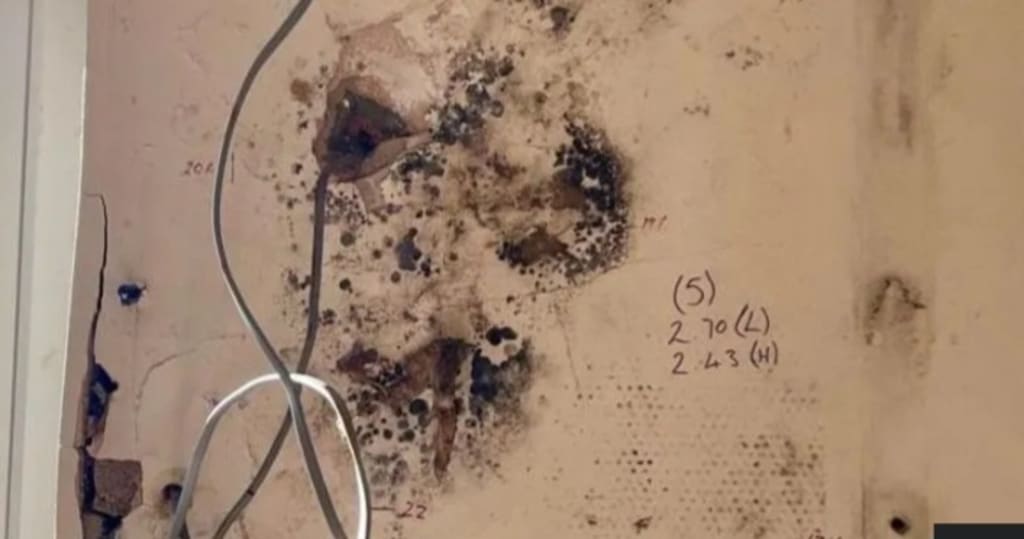
In one of the most damning assessments of recent public spending, UK MPs have concluded that government‑backed home insulation schemes were “doomed to fail from the start”, leaving tens of thousands of households facing dangerous living conditions, potential health risks and financially crippling repair bills. The House of Commons Public Accounts Committee (PAC) says the fiasco in the delivery of retrofit programmes — aimed at cutting energy bills and improving energy efficiency — has turned into a crisis that risks undermining public trust in future government green initiatives. �
AOL +1
The two main schemes under scrutiny — Energy Company Obligation 4 (ECO4) and the Great British Insulation Scheme (GBIS) — were launched from 2022 onwards with the goal of upgrading poorly insulated homes, especially for low‑income households. However, national audit reports and subsequent MP investigations have revealed a catastrophic failure of quality control and oversight. �
UK Parliament
In its latest report, the PAC found that more than 30,000 homes across the UK were fitted with insulation that is badly defective, produces damp and mould, and in some cases poses immediate health and safety risks. Audits commissioned by Ofgem have uncovered that an estimated 98% of external wall insulation installed up to January 2025 has major defects requiring remediation, while nearly a third of internal wall insulation also fails to meet acceptable standards. �
UK Parliament
Sir Geoffrey Clifton‑Brown, Chair of the Public Accounts Committee, delivered one of the most severe rebukes from a parliamentary committee in recent memory. “In all that time, a 98% failure rate in a public sector initiative amounts to the most catastrophic fiasco that I have seen on this Committee,” he told reporters, adding that the structure of the programmes — “highly complex, fragmented and poorly overseen” — meant they were almost **“bound to fail.”” �
AOL
A Crisis of Oversight and Accountability
The committee’s report lays bare a series of systemic errors that allowed such widespread failures to occur. From poor scheme design and fragmented responsibilities to inadequate monitoring and auditing, MPs say the government and its agencies did not grasp the scale of the problem for nearly two years, despite internal warnings about risks and non‑compliance. �
UK Parliament
Key figures from the report underline the scale of the problem:
30,000+ homes afflicted with defective insulation. �
AOL
98% of external wall insulation installations found defective during audits. �
UK Parliament
Less than 10% of affected homes had been properly remediated almost a year after problems emerged. �
UK Parliament
Some repair costs in individual homes have exceeded £250,000, far above the typical £20,000 guarantee cap. �
The Independent
The PAC found that because the schemes were so poorly supervised, many households were left waiting for help while damage — such as water ingress, condensation and mould — worsened. The committee also criticised TrustMark, the government‑endorsed quality assurance body, for not alerting officials to widespread defects until late 2024. �
AOL
Financial and Human Costs
The fallout from the insulation failure is not merely technical. MPs warned that people on low incomes, who were the intended beneficiaries of the programmes, are now bearing the brunt of the consequences. Many face living with damp and cold conditions that can worsen respiratory illness, mental health problems, and daily hardship. �
UK Parliament
Compounding public anger, the PAC highlighted that there is currently no credible assurance that households will be fully protected from repair costs if original installers or guarantee providers go bust. In some cases, insurers are covering repairs, but MPs remain sceptical about whether the scale of claims can realistically be met by those firms and financial backstops. �
UK Parliament Committees
Calls for a Fraud Investigation
Perhaps most strikingly, MPs have recommended that the matter be referred to the Serious Fraud Office (SFO). The committee suspects that the current estimates of fraud — based on Ofgem findings — vastly understate the true extent of non‑compliance. Without a single organisation tasked with full oversight of the scheme, gaps in data and accountability may have allowed fraudulent claims and shoddy work to go undetected. �
The Guardian
Sir Geoffrey said the scale of non‑compliance made it “inconceivable” that fraud was not a significant factor. While Ofgem has identified a small proportion of installs as fraudulent, MPs believe the real figure could be much higher. The PAC says referring the case to the SFO would help establish whether criminal prosecutions are appropriate and recover public funds wrongly claimed. �
Construction Enquirer
Government Response and Next Steps
The government, through the Department for Energy Security and Net Zero (DESNZ), has defended ongoing efforts to audit and fix affected homes. Ministers insist no household should be asked to pay to resolve issues arising from the defective work and that the department has paused problematic elements of the schemes while auditing continues. �
UK Parliament Committees
However, MPs remain unconvinced that existing plans are sufficient. They have urged the government to rapidly scale up the “find and fix” programme, provide clearer protection for consumers, and ensure that future retrofit initiatives — including the new Warm Homes Plan — avoid repeating the same mistakes. �
The Guardian
Conclusion
The insulation scandal represents a rare and stark example of how well‑intentioned green policy can backfire disastrously when oversight, accountability and quality assurance are lacking. With thousands of homes still at risk, increasing calls for fraud investigation and growing public frustration, the crisis has become a test of government competence and trust. For many affected families, the priority now is simple: safe, healthy homes — and answers about how it all went so wrong. �
About the Creator
Keep reading
More stories from Ayesha Lashari and writers in The Swamp and other communities.
Unethical Medical Practices: Nurse Carries Out Unnecessary Exams on Children
Introduction: In the world of healthcare, medical professionals are expected to uphold the highest standards of care and ethics. However, recent reports of a nurse performing unnecessary exams on children have raised serious concerns regarding medical malpractice, the abuse of trust, and the long-term implications for child health. These actions not only violate ethical guidelines but also compromise the integrity of the healthcare system. In this article, we explore the gravity of such practices, the potential reasons behind them, and the lasting consequences for both the affected children and the medical community as a whole.
By Ayesha Lashariabout 16 hours ago in The Swamp
Supreme Court Appears Likely to Allow Lisa Cook to Remain on Fed Board
The U.S. Supreme Court appears inclined to allow Federal Reserve Governor Lisa Cook to remain on the Fed’s board, signaling strong judicial support for the independence of the nation’s central bank. During recent proceedings, the justices expressed skepticism toward arguments that would expand presidential authority to remove Federal Reserve officials at will, a move that critics warn could politicize monetary policy and unsettle global financial markets.
By Muhammad Hassan2 days ago in The Swamp
European Leaders Endure a New Level of Public Embarrassment as Trump Dials Up the Insults
European leaders are facing an increasingly uncomfortable diplomatic reality as former U.S. President Donald Trump escalates his public criticism of Europe with renewed intensity. Once again, Trump’s blunt rhetoric, personal jabs, and dismissive tone toward long-standing allies are reshaping transatlantic relations—not through policy, but through spectacle. What was once seen as unconventional diplomacy has now evolved into a sustained campaign of public embarrassment for European leadership.
By Fiaz Ahmed Brohi3 days ago in The Swamp


Comments
There are no comments for this story
Be the first to respond and start the conversation.