
Donald Trump Is Not Forgetting America’s Old Alliances – His Goal Is to Destroy Them
Trump’s transactional approach and “America First” policies are reshaping global alliances, raising concerns about U.S. credibility and long-term security.

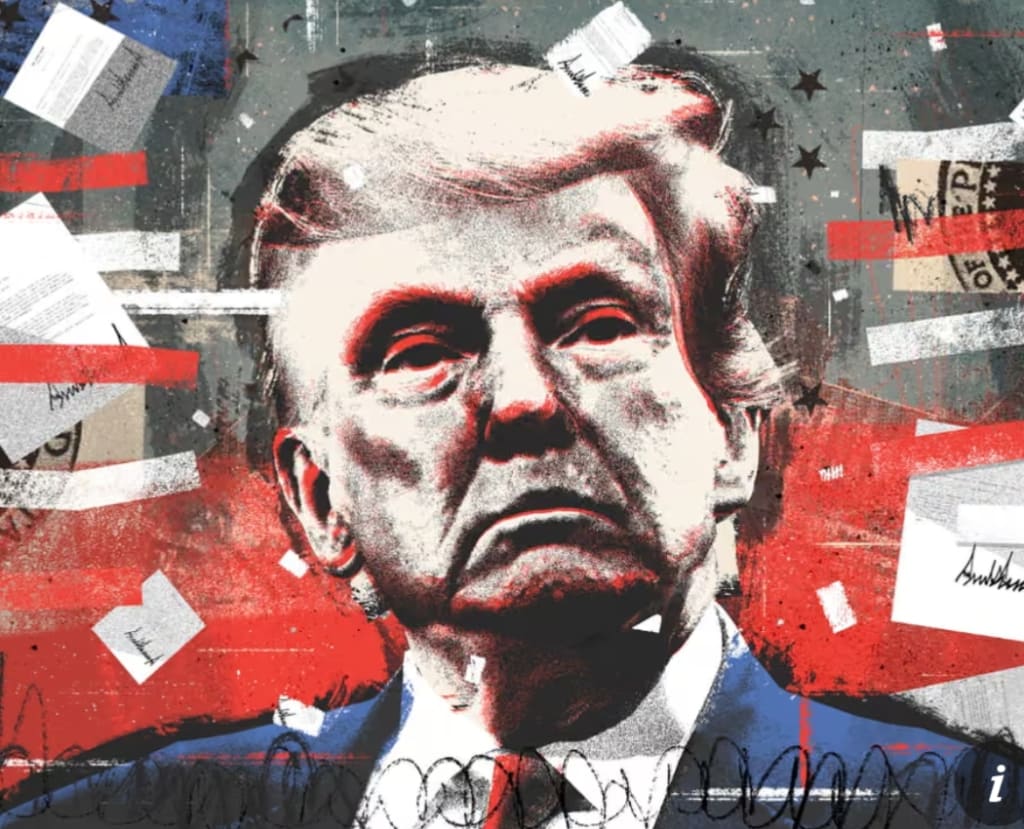
In the realm of global diplomacy, alliances are often the linchpins of stability, trust, and collective security. For decades, the United States has maintained a network of alliances—ranging from NATO in Europe to security partnerships in Asia—that have shaped international relations and bolstered U.S. influence worldwide. Yet, under the leadership of former President Donald Trump, critics argue that these long-standing alliances are under unprecedented strain. Far from maintaining them, Trump’s policies and rhetoric suggest a deliberate approach aimed at undermining, weakening, or even destroying America’s old alliances.
A New Approach to Old Alliances
Donald Trump’s foreign policy has been defined by a transactional worldview. While previous administrations emphasized multilateral cooperation, shared commitments, and the strategic value of enduring alliances, Trump has framed alliances in terms of immediate financial gain and national self-interest. His repeated criticism of NATO, threats to withdraw from traditional commitments, and insistence that allies pay “their fair share” are emblematic of a strategy that prioritizes short-term leverage over long-term stability.
For example, Trump repeatedly argued that European allies were not contributing enough to NATO, suggesting that the U.S. should reduce its support or even withdraw entirely if payments were deemed insufficient. While some analysts view this as a negotiation tactic, the broader impact has been to sow doubt among allies about America’s reliability, a foundational principle of global security.
Undermining Transatlantic Relations
Europe has long been the cornerstone of U.S. alliance strategy. NATO, forged in the aftermath of World War II, represents both a military commitment and a political promise: that an attack on one member is an attack on all. Trump’s public rhetoric has often been critical of NATO members, labeling the alliance “obsolete” and questioning U.S. engagement in collective defense.
This approach has consequences beyond words. European leaders, facing uncertainty about U.S. support, have begun reassessing their defense strategies and seeking autonomy, from boosting military spending to engaging with nontraditional partners. In effect, what may have been intended as leverage has weakened long-standing relationships that were once central to American influence in Europe.
Asia and the Indo-Pacific: A Risky Redefinition
Trump’s approach is not limited to Europe. In Asia, his transactional policies have strained relationships with Japan, South Korea, and other U.S. allies. By emphasizing burden-sharing and bilateral economic leverage, he has disrupted the strategic cohesion that underpins U.S. influence in the Indo-Pacific region. While previous administrations cultivated a web of alliances to counterbalance rising powers like China, Trump’s policies risk eroding the credibility of these partnerships.
For example, the renegotiation of trade deals, pressure on allies to increase defense spending, and questioning the value of multilateral agreements have left partner nations questioning whether the U.S. remains a predictable and reliable actor. The result is a fragmented alliance network, where traditional allies may hedge their positions or pursue independent policies.
The Middle East: Dividing Old Partnerships
In the Middle East, Trump’s policies further illustrate the potential for alliance disruption. His approach to long-standing partnerships, including those with Saudi Arabia, Israel, and Gulf states, has often emphasized unilateral action and transactional deals. While some initiatives—such as normalization agreements between Israel and certain Arab nations—have been framed as diplomatic successes, critics argue they come at the expense of long-term alliance cohesion. By prioritizing immediate gains over enduring commitments, Trump’s strategy has reshaped old alliances into short-term arrangements, weakening the institutional trust that underpins regional stability.
Motivations Behind the Strategy
Why would Trump appear to undermine alliances that have historically benefited the United States? Several motivations emerge:
1. Transactional Leverage: Trump views alliances primarily as bargaining chips to extract concessions, payments, or trade advantages from partners.
2. America First Doctrine: A core principle of his presidency is prioritizing domestic interests over international commitments, even at the cost of weakening alliances.
3. Rethinking Global Costs: Long-term engagement, according to Trump, is expensive, and he has consistently argued that allies should shoulder more of the financial and military burden.
While these motivations appeal to certain domestic constituencies, they risk eroding the strategic advantages that decades of alliances have provided, leaving the U.S. more isolated in a rapidly shifting global order.
Consequences for Global Security
The potential destruction of old alliances carries serious consequences. Weakening NATO or undermining Asian partnerships could embolden adversaries, including Russia and China, to challenge U.S. interests more aggressively. It could also encourage smaller states to pursue independent security arrangements or align with rival powers, further fragmenting the international system.
Alliances are more than symbolic; they are instruments of deterrence, trust, and coordinated action. Eroding them risks not only diplomatic isolation but also tangible security vulnerabilities.
Looking Ahead
As the global order evolves, the approach of prioritizing transactional gains over long-term alliances may leave lasting scars. While Trump’s strategy may appear effective in the short term, its cumulative impact could reshape global power balances, diminish American influence, and invite instability in regions historically anchored by U.S. commitments.
The challenge for policymakers, allies, and analysts is to navigate a post-Trump world where old alliances are questioned, trust is frayed, and the foundational principles of collective security are under unprecedented stress. The task is not only to repair damaged relationships but also to rebuild credibility and reaffirm commitments that have long underpinned international stability.
Conclusion
Donald Trump is not merely challenging America’s old alliances—he is actively reshaping them in ways that could undermine decades of diplomatic and security achievements. By emphasizing short-term gains, transactional leverage, and unilateral action, he has threatened the cohesion of global partnerships. For the United States and its allies, the question now is how to respond: whether to rebuild trust, adapt to a more transactional reality, or risk a world where old alliances—once pillars of stability—are diminished or destroyed.
About the Creator
Keep reading
More stories from Salaar Jamali and writers in The Swamp and other communities.
Rescuers Search for Missing as Death Toll from Karachi Mall Fire Rises to 23
KARACHI, Pakistan — A devastating blaze that tore through a busy multistory shopping plaza in Karachi has claimed at least 23 lives, officials announced on Monday, as rescue teams continued their desperate search for scores of missing people believed trapped in the rubble. The inferno, which erupted late on Saturday night at the Gul Plaza Shopping Mall, one of the city’s most bustling commercial complexes, left families in anguish and authorities scrambling to account for dozens yet unlocated.
By Salaar Jamaliabout 17 hours ago in The Swamp
An Interview With the President Inside the Oval Conversation: Power, Pressure, and the Path Forward
The Oval Office is more than a workspace. It is a symbol of authority, responsibility, and the immense weight of decision-making. Every conversation held inside its curved walls carries echoes of history, power, and consequence. An interview with the president in this setting is not merely a dialogue—it is an encounter with the realities of leadership under constant pressure.
By Aarif Lashari5 days ago in The Swamp
Global Wind Power Market Size & Forecast 2025–2033: Clean Energy Momentum Reshapes the Global Power Landscape
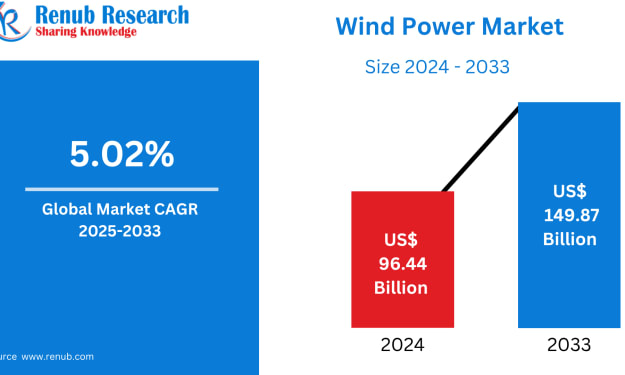
Global Wind Power Market Outlook The global energy landscape is undergoing a historic transformation as nations move away from fossil fuels and embrace renewable sources of electricity. At the center of this transition stands wind power—one of the fastest-growing and most scalable clean energy technologies worldwide. According to Renub Research, the Global Wind Power Market is expected to grow from US$ 96.44 billion in 2024 to US$ 149.87 billion by 2033, expanding at a compound annual growth rate (CAGR) of 5.02% during 2025–2033.
By Aaina Oberoi2 days ago in The Swamp



Comments
There are no comments for this story
Be the first to respond and start the conversation.