
Donald Trump and Volodymyr Zelenskyy Talks Fail to Deliver Breakthrough on Ukraine Peace Deal
High-Level Diplomacy Raises Hopes, But Core Disagreements Remain Unresolved


The much-anticipated talks between former U.S. President Donald Trump and Ukrainian President Volodymyr Zelenskyy have ended without the long-awaited breakthrough many hoped would move the Russia-Ukraine war closer to resolution. Despite optimistic statements from both sides, the discussions revealed deep and persistent divisions over key issues such as territorial integrity, security guarantees, and the future political landscape of Eastern Europe.
While the meeting signaled continued diplomatic engagement, it also highlighted just how complex and fragile the road to peace remains.
A Meeting Watched by the World
The Trump–Zelenskyy meeting attracted global attention, as many believed it could mark a turning point in efforts to end the ongoing conflict that has reshaped Europe’s security order. Both leaders described the discussions as “constructive” and “productive,” fueling speculation that a peace framework might be within reach.
However, as details emerged, it became clear that progress was limited. While dialogue was open and frank, no concrete agreement was reached, and several core disagreements remain unresolved.
Territory: The Central Roadblock
At the heart of the stalled negotiations lies the issue of territorial sovereignty. Ukraine continues to reject any settlement that would formalize Russian control over occupied regions, including parts of eastern Ukraine and strategically vital territories seized during the conflict.
President Zelenskyy has repeatedly emphasized that Ukraine’s land is non-negotiable and that any territorial compromise would require public approval through a national referendum. For Ukrainians, the issue is not just political—it is deeply tied to national identity, sacrifice, and sovereignty.
On the other hand, proposals reportedly discussed during the talks included potential territorial concessions as part of a broader peace framework, an idea that remains unacceptable to Kyiv at this stage.
Security Guarantees Remain a Sticking Point
Another major obstacle is the question of long-term security guarantees. Ukraine has consistently demanded binding, long-term assurances to prevent future aggression. While proposals have included limited security commitments from Western partners, Ukrainian officials argue that anything short of long-term, enforceable protection would leave the country vulnerable again.
The gap between short-term assurances and Ukraine’s demand for decades-long guarantees remains wide. Without a clear and credible security framework, Kyiv is reluctant to sign onto any peace arrangement.
Diplomatic Optimism vs. Political Reality
Despite these challenges, both Trump and Zelenskyy sought to project optimism. Trump suggested that a broader peace plan was taking shape and hinted that further negotiations — possibly involving Russia directly — could follow. Zelenskyy echoed cautious optimism but made clear that Ukraine would not accept peace at the cost of sovereignty or national security.
Behind closed doors, however, analysts note that the political realities facing both leaders limit flexibility. Trump faces domestic political pressure to end foreign conflicts swiftly, while Zelenskyy must answer to a nation that has endured years of war and sacrifice.
Europe’s Role in the Negotiations
European leaders continue to play a critical supporting role in the peace process. Several European governments have urged caution, emphasizing that any agreement must align with international law and respect Ukraine’s territorial integrity.
European involvement also reflects concern that rushed negotiations could set dangerous precedents for future conflicts. As a result, many European leaders have encouraged continued diplomacy while resisting pressure for quick compromises.
What Happens Next?
While the talks did not yield a breakthrough, they did keep diplomatic channels open — an important development in itself. Further discussions between the United States, Ukraine, European allies, and potentially Russia are expected in the coming months.
For now, the war continues, and so does the difficult search for peace. The failure to reach an agreement underscores how complex and deeply rooted the conflict has become. Any future settlement will require not only political compromise but also trust, security assurances, and international cooperation on an unprecedented scale.
Conclusion
The Trump–Zelenskyy talks offered hope but ultimately underscored the challenges of ending one of the most consequential conflicts of the modern era. While dialogue continues, peace remains elusive, constrained by unresolved territorial disputes, security concerns, and geopolitical rivalries. As the world watches, the path forward will demand patience, diplomacy, and a willingness from all sides to confront hard truths in pursuit of lasting peace.Start writing...
About the Creator
Muhammad Hassan
Muhammad Hassan | Content writer with 2 years of experience crafting engaging articles on world news, current affairs, and trending topics. I simplify complex stories to keep readers informed and connected.
Keep reading
More stories from Muhammad Hassan and writers in The Swamp and other communities.
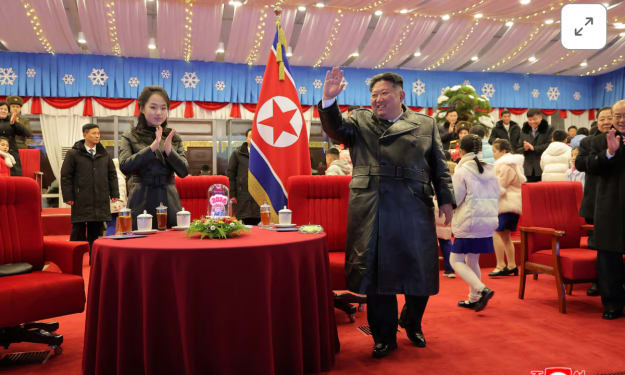
Kim Jong Un Appears at New Year Celebrations with Daughter, Signaling a Carefully Crafted Image of Leadership
North Korean leader Kim Jong Un marked the beginning of the New Year by attending a major celebration accompanied by his young daughter, an appearance that has once again drawn global attention to the symbolism surrounding the country’s leadership and its future. The event, held in Pyongyang, featured grand performances, patriotic displays, and carefully curated imagery aimed at reinforcing national unity and loyalty to the ruling Kim family.
By Muhammad Hassan2 months ago in The Swamp
The Saddest Thing - The Billionaires Who Rule America Aren't Even Enjoying Themselves
This single post says more about our ruling class than a thousand policy papers. The saddest thing about today's system is that the men robbing the rest of us - sabotaging our economic prospects, our pensions, our access to affordable healthcare - are not even happy.
By Scott Christenson🌴21 days ago in The Swamp



Comments
There are no comments for this story
Be the first to respond and start the conversation.