
Don’t Drop PM Over Mandelson, Minister Urges Labour MPs
Party Unity Tested as Internal Dissent Grows
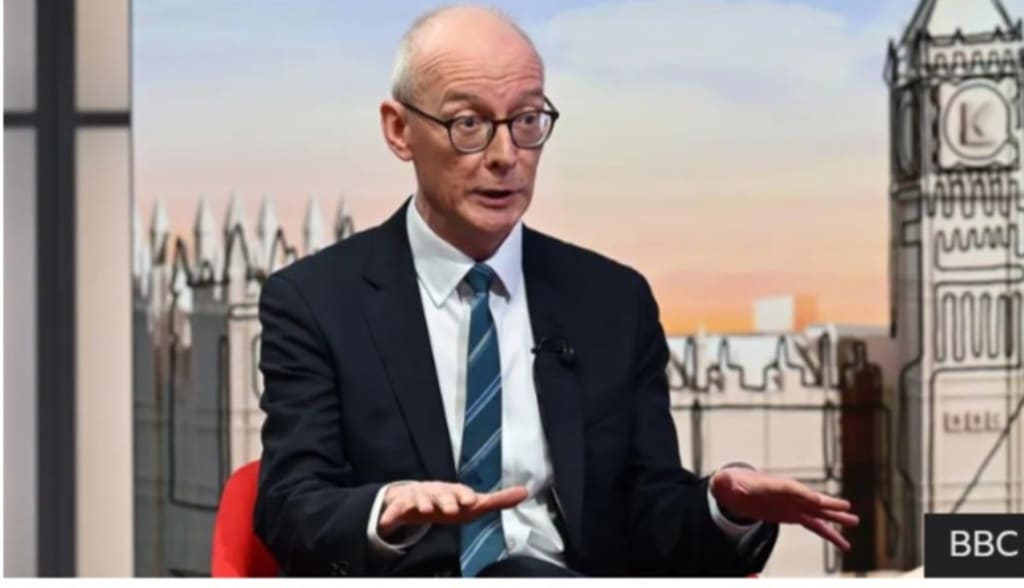
As tensions simmer within the Labour Party, a senior minister has urged MPs not to abandon the Prime Minister over the controversial role of Peter Mandelson. The warning comes amid rising internal criticism, renewed factionalism, and growing concerns that infighting could weaken Labour at a crucial political moment. While Mandelson’s return to influence has reignited old debates, party leadership is calling for unity and strategic discipline over internal revolt.
The Mandelson Factor: A Familiar Flashpoint
Peter Mandelson is no stranger to controversy. Often described as one of the most influential architects of New Labour, his political career has been marked by both strategic brilliance and repeated scandals. For many Labour MPs, Mandelson symbolizes a centrist, establishment-driven politics that clashes with the party’s grassroots and progressive base.
His perceived re-emergence as a behind-the-scenes power broker has unsettled several MPs, particularly those who fear Labour is drifting away from its core values. Critics argue that Mandelson’s influence represents a return to old political habits that voters have grown skeptical of. Supporters, however, view him as a seasoned strategist whose experience could help steady the party during uncertain times.
Minister’s Warning: Unity Over Instability
Addressing growing dissent, a senior cabinet minister made a direct appeal to Labour MPs: do not undermine the Prime Minister over Mandelson. According to the minister, internal rebellion would not only damage party cohesion but also hand political advantage to opponents.
The minister emphasized that leadership challenges driven by internal disagreements rarely end well. “Discipline and unity,” they argued, “are essential if Labour wants to govern effectively and maintain public trust.” The message was clear: disagreements should be handled internally, not through public pressure or threats of resignation.
A Fragile Leadership Moment
The Prime Minister currently faces a delicate balancing act. On one hand, there is a need to reassure sceptical MPs and party members that Labour’s direction remains rooted in fairness, reform, and accountability. On the other, there is pressure to demonstrate decisiveness and stability to the wider electorate.
Political analysts note that leadership authority can erode quickly if MPs appear divided. Even the perception that the Prime Minister is being influenced excessively by unelected advisers like Mandelson can raise questions about transparency and accountability. This makes the current moment particularly sensitive for Labour’s leadership.
Grassroots Discontent and Ideological Divides
Beyond Westminster, grassroots activists and party members have also expressed discomfort. Many fear that Mandelson’s influence signals a move away from transformative policies on inequality, workers’ rights, and public ownership. For these members, the issue is not personal but ideological.
However, others within the party argue that electoral success requires broad appeal. They suggest that experience, pragmatism, and media-savvy figures can help Labour navigate hostile political terrain. This ideological divide—between idealism and pragmatism—has long existed within Labour and is once again coming to the surface.
Political Risks of Internal Conflict
History offers plenty of cautionary tales. Parties consumed by internal conflict often struggle to present themselves as credible alternatives to government. Voters tend to punish disunity, viewing it as a sign of weakness or lack of preparedness.
The minister’s intervention appears aimed at preventing such an outcome. By urging MPs not to “drop the PM,” leadership allies hope to draw a line under the controversy before it escalates into open rebellion. The calculation is simple: a divided Labour Party risks losing focus on policy priorities and public concerns.
What This Means for Labour’s Future
Whether this appeal will succeed remains uncertain. Much depends on how openly Mandelson’s role is defined and how effectively the Prime Minister reassures sceptics within the party. Transparency, communication, and inclusive decision-making could help ease tensions.
If Labour can manage this moment constructively, it may emerge stronger and more disciplined. If not, the Mandelson controversy could become a symbol of deeper fractures that are harder to heal.
Conclusion: A Test of Leadership and Loyalty
The call for Labour MPs not to abandon the Prime Minister over Peter Mandelson is about more than one individual. It reflects a broader struggle over the party’s identity, leadership style, and strategic direction. At stake is Labour’s ability to govern effectively while remaining true to its values.
As political pressure mounts, the coming weeks will test not only the Prime Minister’s authority but also the party’s capacity for unity. Whether Labour chooses confrontation or cohesion may well shape its future in British politics.
About the Creator
Keep reading
More stories from Ayesha Lashari and writers in The Swamp and other communities.
Crypto Glitch Sends $44 Billion in Bitcoin to Users by Mistake: A Wake-Up Call for the Digital Asset Industry
The cryptocurrency world is no stranger to volatility, hacks, and sudden market shocks. However, even seasoned investors were left stunned when a technical glitch reportedly resulted in $44 billion worth of Bitcoin being mistakenly credited to users’ accounts. What was supposed to be a routine promotional reward turned into one of the most jaw-dropping operational errors in crypto history.
By Ayesha Lashariabout 18 hours ago in The Swamp
Why Black History Matters in America?
The United States of America is celebrating their 250th anniversary in 2026. I'm proud to be an American and as someone who was born here, I wouldn't imagine myself living anywhere else. This is a country where opportunities are possible. Where anyone can be successful in anything they desire to do. Equality, community, and togetherness are the backbones of what America is and should be about. However, we have an administration who wants to erase and disregard those who have made positive, meaningful impacts in our country, specifically Black figures, such as Martin Luther King, Jr., Rosa Parks, and Maya Angelou. President Trump and his administration have been constantly complaining and fighting against what they call the "Woke agenda". They use this excuse as a distraction from other issues they refuse to address, such as the high cost of living, climate change, and inflation. That equality is dividing America, when in reality, it's bringing us together. Being woke is not tied to a specific political party. No matter where you stand on the political spectrum, you can still care about other people and their plights. Compassion and empathy for others isn't tied to a political party, either. We were taught as children to treat others the way we want to be treated and not judge others because they're different from us. Caring about others isn't a personal attack on your beliefs. It doesn't make you any less of a person. People who are easily offended over African American figures, past or present, or anything related to it, are grasping at straws. Current and future generations need to know who people like Harriet Tubman and Shirley Chisholm were, especially in the classroom. Black History is part of American History. It should be recognized, not hidden or forgotten. Besides, you can't shield children from everything, just because your feelings are easily hurt.
By Mark Wesley Pritchard 7 days ago in The Swamp
📢 Raise Your Voice Thread: 02/05/2026
Our “Raise Your Voice Threads” are hosted most alternating Thursdays at 12PM ET to offer creators more avenues to uncover exceptional stories on Vocal. As we are continuously searching for fresh creators and inspiring stories, this thread provides an opportunity to exchange and discuss the stories that have moved and motivated us on Vocal.
By Raise Your Voice by Vocal3 days ago in Resources




Comments
There are no comments for this story
Be the first to respond and start the conversation.