
Dollar Under Fire: Why Traders Are Reviving the Currency Debasement Debate
Mounting pressure on the U.S. dollar is reigniting concerns among traders about long-term currency debasement, fiscal discipline, and the future of global reserve dominance.

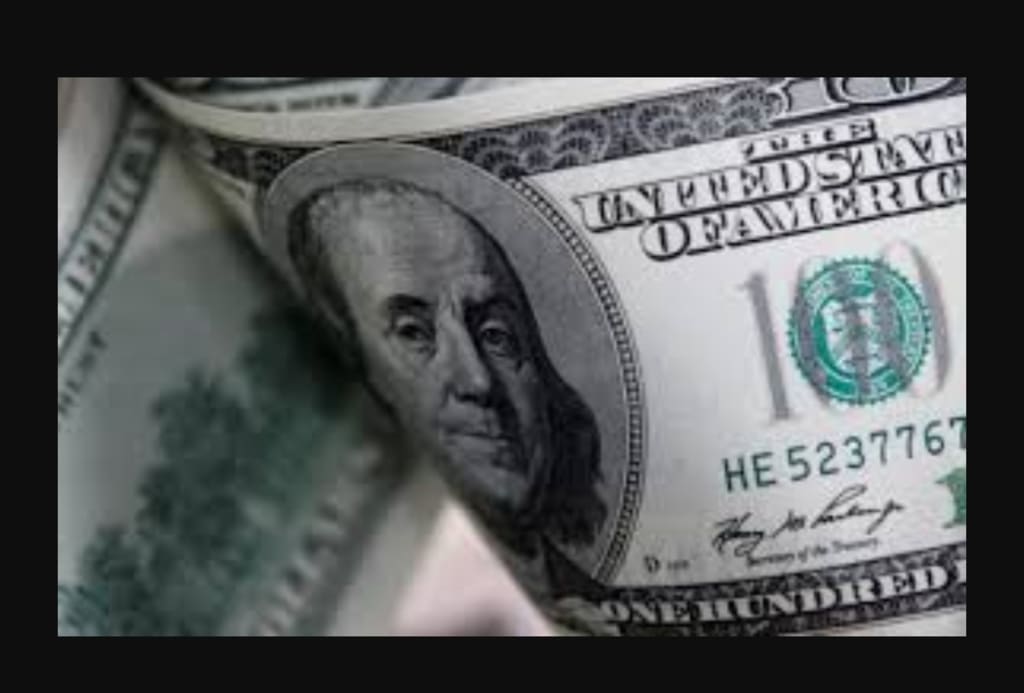
Renewed Scrutiny on the World’s Most Powerful Currency
The U.S. dollar, long regarded as the backbone of the global financial system, is facing renewed scrutiny as traders and investors revisit a once-fringe concern: currency debasement. Recent market movements, combined with shifting monetary expectations and rising government debt, have intensified debate over whether the dollar’s purchasing power is being slowly eroded.
While the dollar remains dominant in global trade and finance, growing pressure from multiple directions is prompting market participants to ask uncomfortable questions about its long-term stability.
What Is Driving Pressure on the Dollar?
Several converging factors are weighing on the greenback. Chief among them is persistent fiscal expansion. Massive government spending, widening deficits, and growing national debt have raised concerns about how long the U.S. can maintain confidence without consequences.
At the same time, traders are closely watching monetary policy signals. Even subtle shifts in expectations around interest rates, inflation tolerance, and liquidity support can have outsized effects on currency markets. When investors believe central banks are willing to tolerate higher inflation or monetize debt, fears of debasement tend to resurface.
Global geopolitical uncertainty has also added complexity. While the dollar often benefits as a safe-haven asset during crises, prolonged instability can eventually undermine confidence if it leads to sustained fiscal or monetary strain.
The Meaning of Currency Debasement
Currency debasement refers to the gradual loss of purchasing power due to inflation, excessive money creation, or erosion of trust. Unlike sudden devaluations, debasement is often subtle, unfolding over years rather than months.
For traders, the debate isn’t about whether the dollar will collapse overnight, but whether its real value is being chipped away through policy decisions that prioritize short-term stability over long-term discipline.
This concern tends to surface during periods of high government spending, accommodative monetary policy, or when inflation proves stubbornly persistent.
Market Signals Traders Are Watching
Traders reopening the debasement debate are pointing to several indicators:
Commodity prices, particularly gold, which often rises when confidence in fiat currencies weakens
Treasury yields, which reflect investor sentiment toward U.S. debt sustainability
Foreign exchange flows, especially diversification into non-dollar assets
Inflation expectations, embedded in bond markets and derivatives
None of these signals alone confirm debasement, but together they paint a picture of growing unease.
The Dollar’s Global Role Still Matters
Despite mounting pressure, it’s important to note that the dollar’s position remains strong. It is still the world’s primary reserve currency, used in global trade, commodities pricing, and international debt issuance.
Alternatives such as the euro, yuan, or gold-backed systems have yet to offer the same combination of liquidity, transparency, and institutional trust. This reality tempers fears of a rapid dollar decline.
However, traders argue that dominance does not equal immunity. Even reserve currencies can experience gradual erosion if structural issues are not addressed.
Why the Debate Is Resurfacing Now
The debasement debate often cycles in and out of focus depending on economic conditions. It tends to resurface when:
Government debt reaches new highs
Inflation remains above comfort levels
Central banks face pressure to support growth at any cost
Investors search for stores of value
In the current environment, all of these elements are present to varying degrees, making the debate more relevant than it has been in years.
Implications for Investors and Markets
For investors, renewed dollar skepticism influences asset allocation decisions. Some seek protection through hard assets, while others diversify geographically or favor sectors perceived as inflation-resistant.
Currency traders, meanwhile, are navigating a delicate balance. Betting aggressively against the dollar has historically been risky, yet ignoring long-term structural pressures can also be costly.
The result is heightened volatility and increased sensitivity to policy signals, economic data, and global risk sentiment.
Policy Choices Will Shape the Outcome
Ultimately, the dollar’s future will depend less on short-term market moves and more on policy credibility. Fiscal restraint, sustainable growth, and transparent monetary policy remain critical pillars of confidence.
If policymakers demonstrate a commitment to long-term stability, debasement fears may fade once again. If not, traders are likely to keep questioning whether the dollar’s strength is being slowly diluted.
Conclusion
As pressure mounts on the U.S. dollar, traders are once again reopening the debate over currency debasement—not out of panic, but prudence. While the dollar remains the cornerstone of the global financial system, rising debt, inflation concerns, and shifting policy expectations have made markets more cautious.
The debate itself is a sign of uncertainty, not collapse. Whether these concerns prove justified will depend on decisions made in the years ahead. For now, the dollar is still dominant—but no longer unquestioned.
About the Creator
Asad Ali
I'm Asad Ali, a passionate blogger with 3 years of experience creating engaging and informative content across various niches. I specialize in crafting SEO-friendly articles that drive traffic and deliver value to readers.
Stocks Rebound After Trump Rules Out Military Action on Greenland: Live Updates
Global stock markets rallied Wednesday after a turbulent couple of days, following fears over U.S. President Donald Trump’s controversial interest in Greenland. Traders had been spooked by speculation about military action to acquire the Arctic territory — but Trump clarified that the U.S. would not pursue force, calming investors.
By Aqib Hussain6 days ago in The Swamp
Marine Le Pen Defends Party as “No System” Existed to Misuse EU Funds
Marine Le Pen, the leader of France’s far-right National Rally party, appeared in court this week to defend herself and her party in an appeal trial concerning allegations of misuse of European Union funds. Speaking before the judges, Le Pen asserted that her party never had a structured system or deliberate plan to exploit EU financial resources, calling the accusations politically motivated and unfounded.
By Muhammad Hassan6 days ago in The Swamp




Comments
There are no comments for this story
Be the first to respond and start the conversation.