
Did the IMF Just Help Terror Groups? Pakistan Gets $1 Billion and the World Is Worried
IMF Loan to Pakistan Sparks Global Concern Over Potential Misuse in Terror Activities
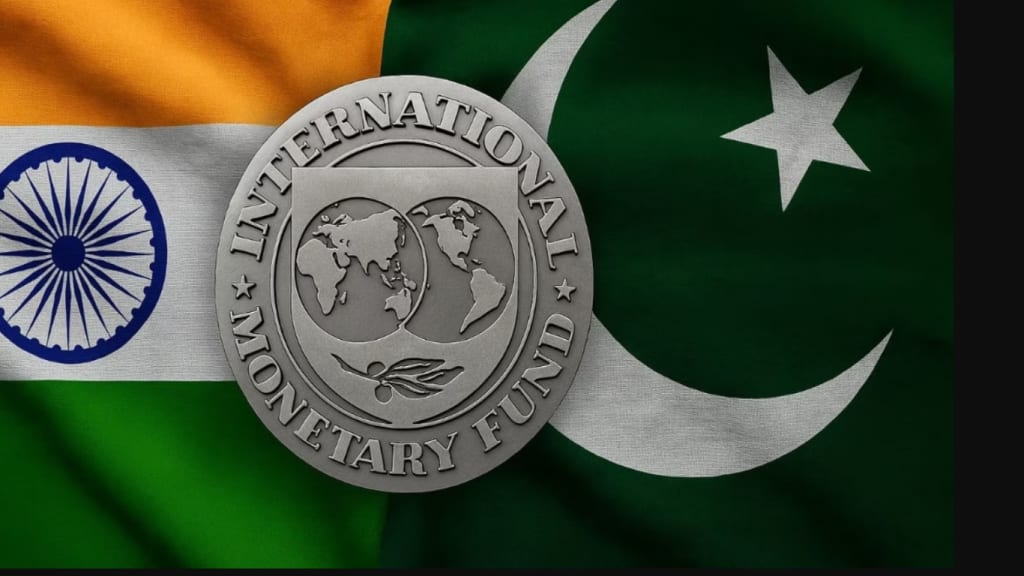
The IMF gave Pakistan $1 billion, but many believe the money could support terror groups. Has the IMF ignored the dangers?
What Is the IMF?
The International Monetary Fund (IMF) is a global group that gives money to countries in trouble. If a country is poor, has no jobs, or can't pay its bills, the IMF gives it a loan to help.
But the IMF doesn’t just give money for free. It asks countries to follow rules, like raising taxes or fixing their budgets. The goal is to help the country grow and get stronger.
What Just Happened?
On Friday, the IMF gave Pakistan $1 billion. This is a very large amount of money. It’s part of a loan deal the IMF made with Pakistan to help its economy.
Pakistan says it needs this money to pay bills, help poor people, and fix the country. But many people and countries are asking:
Is the IMF making a big mistake by giving this money to Pakistan?
Why Are People So Worried?
India, a country that shares a border with Pakistan, is very angry about the loan. India says that Pakistan has used money in the past to help terror groups. These are groups that attack people, hurt soldiers, and cause fear.
India told the IMF, “Don’t give Pakistan this money. It could end up in the wrong hands.”
India’s government believes this money could be used to train terrorists, buy weapons, or support dangerous groups that attack other countries.
An Indian leader said:
“The IMF is helping a country that supports terror. This is wrong and unsafe for the world.”
Is the IMF Helping Terrorism?
That’s the big question many people are now asking.
The IMF says it wants to help people, not hurt them. But by giving money to a country like Pakistan—which many believe helps terror groups—the IMF might be helping terrorism without meaning to.
Some experts say the IMF is being careless. They believe the IMF should do more checking before giving such big loans. They want rules to make sure the money goes to schools, hospitals, and jobs—not to guns, violence, or secret terror camps.
Has This Happened Before?
Yes. In the past, Pakistan has taken money from other countries and from the IMF. But later, some of that money was not used the right way.
Reports and investigations have shown that some money went to the army or to groups linked with violence. This is why so many people are worried now.
One global expert said:
“If the IMF doesn’t follow the money, it is helping the problem, not solving it.”
What Does Pakistan Say?
Pakistan says these fears are false. Its leaders say they will use the money to help their people, not for bad activities.
Prime Minister Shehbaz Sharif said the loan shows that the world still trusts Pakistan. He also accused India of trying to stop Pakistan from growing.
But many do not believe these words. They say trust must be earned, and Pakistan has broken promises before.
Who Is Watching?
India is watching closely. Other countries are also paying attention. People around the world are now asking:
“Why did the IMF approve this loan even with so many warnings?”
Peace groups and financial experts want the IMF to create stronger rules. They want every dollar to be tracked. They want proof that money goes to help people—not to hurt them.
What Could Go Wrong?
If Pakistan uses the money for the wrong things, it could lead to:
- More terror attacks
- More violence in South Asia
- Less trust in the IMF
- Other countries being scared to give help in the future
This is why the world must care about where the money goes.
Conclusion: A Risky Mistake?
The IMF gave Pakistan $1 billion, but many fear it was a risky choice. India and experts around the world are warning that the money could support terror.
The IMF says it wants to help people. But helping a country that may support terrorism is dangerous.
Now, the world is watching. The question remains:
Did the IMF just help terrorists without realizing it—or worse, by ignoring the warning signs?
About the Creator
Keep reading
More stories from Sangita Nandi and writers in The Swamp and other communities.
Is Chris Wallace a Democrat or Republican?
Chris Wallace is a name synonymous with sharp journalism, objective interviews, and a no-nonsense approach to political discourse. With decades of experience on major news networks like NBC, ABC, Fox News, and now CNN, Wallace has moderated presidential debates and interviewed sitting presidents from both parties. But one question that continues to intrigue many viewers is: Is Chris Wallace a Democrat or Republican?
By Sangita Nandi9 months ago in The Swamp
Suppliers: The Backbone of Global Trade, Communities, and Modern Economies
Suppliers are the often unseen backbone of modern economies, connecting raw materials to finished products and linking local communities to global markets. From small family-owned businesses to multinational corporations, suppliers play a critical role in ensuring that goods and services reach consumers efficiently and reliably.
By Aarif Lashari4 days ago in The Swamp
My New Book is Finally Here
My poetry collection Beautiful and Brutal Things is done. It's actually done and finally published over 270 pages. Over a year of my life went into this book. More than a year, really. Long days at my computer, sometimes seven days a week because I couldn't stop even when I probably should have. Then two months of editing that felt harder than the writing itself. But it's finished, and I'm still standing, and the book is real.
By Tim Carmichaela day ago in BookClub



Comments
There are no comments for this story
Be the first to respond and start the conversation.