
DHS Pauses Cuts to FEMA as Massive Winter Storm Barrels In
Federal Agency Reverses Budget Reductions Amid Life-Threatening Winter Storms, Prioritizing Public Safety and Emergency Preparedness

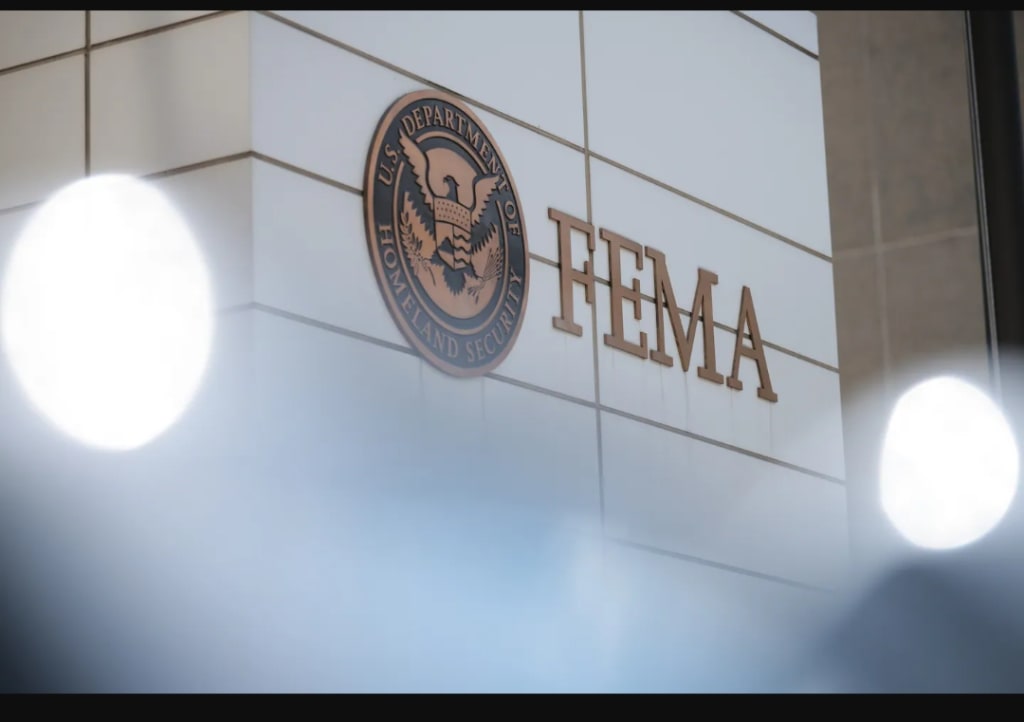
As a massive winter storm sweeps across large portions of the United States, the Department of Homeland Security (DHS) has announced a pause in planned budget cuts to the Federal Emergency Management Agency (FEMA), ensuring that resources remain available for emergency response. The decision comes amid growing concerns that the storm — projected to bring heavy snow, freezing rain, and ice accumulation — could threaten millions of residents, disrupt transportation, and strain local emergency services.
Federal officials emphasize that the move reflects a commitment to public safety, particularly in regions prone to severe winter weather, where delays in response and inadequate resources can have catastrophic consequences.
A Storm of Unprecedented Scale
Meteorologists describe the incoming storm as one of the largest of the season, affecting the Midwest, Northeast, and parts of the Southern United States. Snow accumulations of over a foot in some areas, combined with icy roads and subzero temperatures, have prompted widespread winter storm warnings and travel advisories.
Authorities warn that the storm could create life-threatening conditions, including power outages, fallen trees, and road closures. Vulnerable populations, such as the elderly, individuals with medical conditions, and those in rural areas, face particularly high risks.
In response, DHS officials determined that cutting FEMA’s budget during such a critical moment would be unwise, potentially undermining the federal government’s ability to coordinate resources, distribute emergency supplies, and provide technical support to state and local agencies.
Why FEMA Matters Now
FEMA plays a crucial role in coordinating disaster response across the nation. The agency provides logistical support, deploys emergency personnel, and ensures that essential resources reach communities in crisis. During winter storms, FEMA’s responsibilities often include:
Activating regional emergency operations centers
Coordinating with state and local agencies for shelter operations
Distributing emergency heating, food, and water supplies
Supporting power restoration and road-clearing efforts
By pausing the planned cuts, DHS ensures that FEMA can maintain staff levels, operational readiness, and emergency funding. Officials stress that winter storms are unpredictable, and any reduction in resources could compromise response times and public safety.
Impact on Communities
The announcement has been welcomed by state and local leaders, many of whom rely heavily on FEMA during extreme weather events. Governors and emergency management directors have praised the federal decision, noting that winter storms place immense pressure on local resources.
Communities are already preparing for disruptions. Schools, businesses, and government offices are closing preemptively in many areas. Public transit services have been scaled back, and residents are urged to avoid travel unless absolutely necessary. With FEMA fully operational, states can coordinate more efficiently and ensure emergency shelters are ready for those displaced by the storm.
Local officials also highlight that federal support is especially critical in rural or underserved areas, where municipal resources are limited and winter storms can quickly isolate residents from essential services.
A Broader Look at DHS Budget Decisions
Prior to the winter storm warning, DHS had proposed cuts to FEMA’s operating budget as part of broader federal cost-saving measures. These reductions were expected to affect staffing, emergency supply stockpiles, and training programs. While budget adjustments are a normal part of federal planning, the sudden threat posed by the winter storm prompted immediate reevaluation.
Experts argue that this temporary pause demonstrates a practical approach to disaster management: maintaining flexibility in resource allocation to respond to emerging crises. It also underscores the tension between fiscal constraints and public safety priorities — a balance that is often tested during extreme weather events.
Federal Coordination and State Partnerships
DHS emphasized that FEMA’s readiness depends on close coordination with state and local agencies. Emergency declarations, prepositioned resources, and rapid response teams are all critical for mitigating the storm’s impact. By preserving FEMA’s budget and operational capacity, the federal government ensures that states can quickly mobilize in affected areas.
The department has also highlighted the importance of public communication. Residents are encouraged to monitor weather updates, prepare emergency kits, and follow guidance from local authorities. Federal officials stress that individual preparedness can significantly reduce the human toll of severe winter weather.
Community Preparedness Tips
As the storm approaches, experts recommend that residents take proactive measures:
Stock up on essentials: food, water, medications, and blankets
Avoid travel unless necessary and monitor road conditions
Keep a battery-powered radio and charged devices for emergency alerts
Check on neighbors, especially elderly or medically vulnerable individuals
Be prepared for power outages and icy roads
By combining federal resources with community-level preparedness, officials hope to minimize casualties and property damage during the storm.
Looking Ahead
The pause in FEMA cuts is likely to remain in effect at least through the storm’s duration, ensuring that emergency response capabilities are fully maintained. After the storm passes, DHS and FEMA may revisit longer-term budget discussions, potentially incorporating lessons learned from this event about resource allocation and operational flexibility.
For now, the priority remains safeguarding lives, protecting communities, and ensuring that federal and state agencies can respond effectively to one of the most severe winter storms in recent memory.
About the Creator
Asad Ali
I'm Asad Ali, a passionate blogger with 3 years of experience creating engaging and informative content across various niches. I specialize in crafting SEO-friendly articles that drive traffic and deliver value to readers.
ASELSAN Demonstrates Full-Spectrum Naval Capabilities at DIMDEX 2026
At DIMDEX 2026 (Doha International Maritime Defence Exhibition and Conference), ASELSAN once again positioned itself as a key player in modern naval defense by unveiling a comprehensive portfolio of maritime technologies. The exhibition, known for bringing together the world’s leading naval forces, defense contractors, and policymakers, provided the ideal platform for ASELSAN to demonstrate how its systems address the evolving challenges of naval warfare in an era defined by multi-domain operations, asymmetric threats, and rapid technological change. A Strategic Showcase at a Global Forum DIMDEX has grown into one of the most influential maritime defense exhibitions in the Middle East, attracting global attention due to the region’s strategic waterways and security dynamics. ASELSAN’s presence at the 2026 edition reflected not only Türkiye’s ambitions in the naval defense sector but also the company’s maturity as a provider of end-to-end naval solutions. Rather than focusing on a single product, ASELSAN presented a full-spectrum approach, emphasizing integration, interoperability, and operational flexibility. Advanced Naval Sensors and Radars One of the highlights of ASELSAN’s exhibition was its suite of naval radar systems, designed to deliver superior situational awareness in complex maritime environments. These radars are capable of detecting and tracking multiple targets simultaneously, including surface vessels, low-flying aircraft, and asymmetric threats such as unmanned aerial and surface vehicles. By leveraging advanced signal processing and electronic scanning technologies, ASELSAN’s radars enhance detection accuracy while reducing reaction time—an increasingly critical factor in modern naval engagements. The company emphasized that these systems are optimized for operation in cluttered environments, such as congested sea lanes and littoral zones, where conventional sensors often struggle. Integrated Combat Management Systems Beyond sensors, ASELSAN showcased its combat management systems (CMS), which serve as the digital backbone of modern warships. These systems integrate data from radars, sonar, electronic warfare, and weapon platforms into a unified operational picture, enabling commanders to make faster and more informed decisions. At DIMDEX 2026, ASELSAN highlighted how its CMS solutions are modular and scalable, making them suitable for a wide range of naval platforms—from patrol boats and corvettes to frigates and amphibious vessels. This flexibility is particularly attractive to navies seeking cost-effective modernization without committing to entirely new fleets. Electronic Warfare and Self-Protection Solutions Electronic warfare (EW) emerged as another key pillar of ASELSAN’s naval offering. As naval battlespaces become increasingly contested in the electromagnetic spectrum, the ability to detect, deceive, and disrupt enemy sensors is essential. ASELSAN’s EW systems are designed to provide early warning against radar and missile threats while enabling both defensive and offensive electronic countermeasures. The company also demonstrated self-protection suites that combine soft-kill and hard-kill options, allowing vessels to respond dynamically to incoming threats. These systems are particularly relevant in regions where naval platforms face risks from anti-ship missiles, drones, and fast-attack craft. Naval Weapons and Fire Control Systems ASELSAN’s portfolio at DIMDEX 2026 also included naval weapon systems and fire control solutions, underscoring its ability to deliver integrated combat effectiveness. Fire control radars and electro-optical targeting systems were presented as key enablers for precision engagement, ensuring that naval guns and missile systems operate with maximum accuracy under all weather and visibility conditions. By integrating these systems with its combat management architecture, ASELSAN demonstrated how navies can achieve seamless coordination between detection, decision-making, and engagement. Emphasis on Indigenous Capability and Export Growth A recurring theme in ASELSAN’s presentation was indigenous development paired with global collaboration. The company highlighted its growing export footprint and partnerships with international shipbuilders and naval forces. This approach allows ASELSAN to tailor solutions to specific operational needs while maintaining control over critical technologies. At a time when supply chain security and technological sovereignty are becoming strategic priorities, ASELSAN’s emphasis on domestically developed systems resonated strongly with regional and international audiences at DIMDEX. Looking Ahead: The Future of Naval Warfare ASELSAN’s demonstration at DIMDEX 2026 made it clear that the future of naval warfare lies in integration, digitalization, and adaptability. As threats evolve to include unmanned systems, cyber challenges, and hybrid warfare tactics, navies require solutions that can evolve just as quickly. By presenting a full-spectrum naval portfolio—from sensors and electronic warfare to weapons and command systems—ASELSAN reinforced its position as a comprehensive maritime defense partner rather than a niche supplier. Conclusion ASELSAN’s strong showing at DIMDEX 2026 underscored Türkiye’s growing influence in the global naval defense market. Through advanced technology, system integration, and a clear focus on future operational needs, the company demonstrated that it is well-equipped to support modern navies facing increasingly complex security environments. For defense observers and maritime strategists alike, ASELSAN’s presence at DIMDEX served as a compelling reminder that naval power today is as much about information and integration as it is about firepower.
By Fiaz Ahmed Brohi6 days ago in The Swamp
The CEO of Everything
They say "jack of all trades, master of none," but they forgot to mention the part where the jack of all trades is also the camera woman, the makeup artist, and the person currently yelling at a tangled Wii microphone cable in a her own bathroom while recording herself singing and trying to make it look realistic and professional. (As professional as you can make it with nothing but a cell phone camera and a mic that doesn't work)
By Sara Wilson6 days ago in Humans


Comments
There are no comments for this story
Be the first to respond and start the conversation.