
Denmark and Its Allies Are Rushing Troops to Greenland
Introduction: A Sudden Military Focus on the Arctic
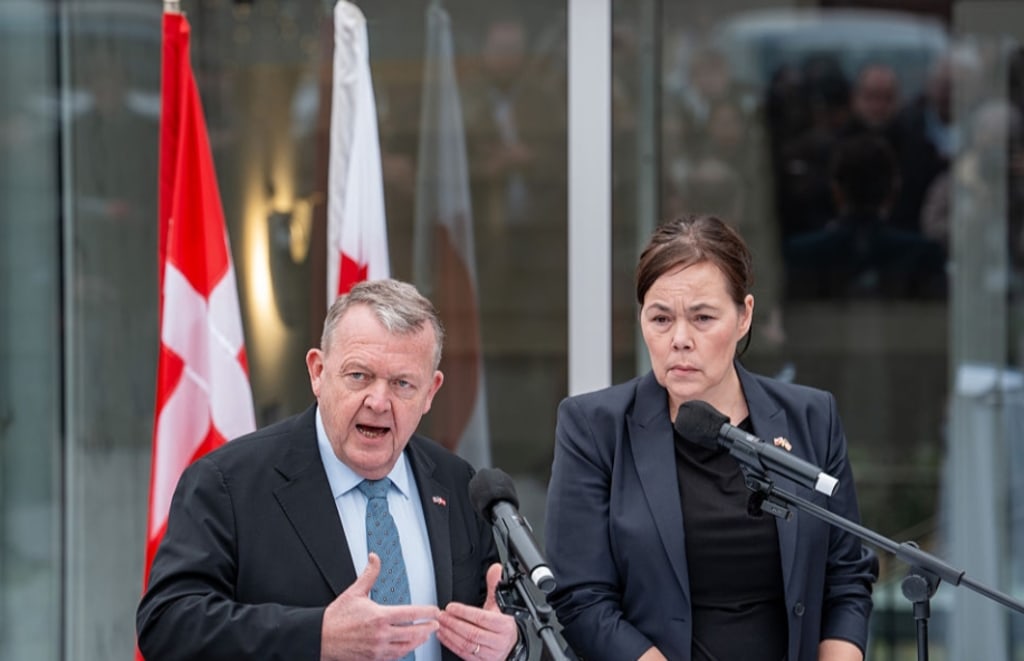
Denmark and its allies are rapidly increasing their military presence in Greenland, a move that has drawn international attention and raised questions about security, sovereignty, and rising geopolitical tension in the Arctic. The deployment comes amid growing competition between global powers for influence in the polar region, where melting ice, strategic waterways, and valuable resources are transforming what was once a remote frontier into a key theater of global security.
While Danish officials describe the troop movements as defensive and precautionary, the timing and scale of the buildup suggest that Greenland’s strategic importance is reaching a new level.
Why Greenland Matters Strategically
Greenland occupies a unique position between North America and Europe, making it vital for air and maritime routes across the North Atlantic and Arctic. During the Cold War, the island played a crucial role in early warning systems designed to detect missile launches from the Soviet Union. That role has not diminished—if anything, it has grown.
The US Pituffik Space Base in northern Greenland remains a cornerstone of missile defense and space surveillance. With Russia modernizing its Arctic military infrastructure and China expanding its polar ambitions, Western allies increasingly see Greenland as a key defensive anchor.
As Arctic sea ice retreats, new shipping lanes are opening, further increasing the region’s strategic value.
Denmark’s Decision to Deploy Troops
Denmark, which retains responsibility for Greenland’s defense and foreign affairs, has cited the need to protect sovereignty and ensure regional stability as the primary reasons for the deployment. Danish defense officials say the troop movements are part of enhanced patrols, training exercises, and infrastructure protection.
The reinforcements include personnel trained in Arctic operations, as well as equipment designed for extreme weather conditions. Denmark has emphasized that the deployments are rotational rather than permanent, aimed at increasing readiness rather than signaling aggression.
Role of Allied Forces
Denmark is not acting alone. NATO allies, including the United States and Canada, have stepped up cooperation in the Arctic, sharing intelligence and conducting joint exercises. While not all allied deployments are public, analysts say coordination has intensified in response to increased Russian activity in the High North.
Allied forces view Greenland as essential to maintaining a secure transatlantic link. Strengthening defenses there is seen as a way to deter potential threats and reassure NATO members of collective security commitments.
Russia and China Loom Large
Much of the concern driving the deployments stems from Russia’s expanding Arctic military capabilities. Moscow has reopened Soviet-era bases, deployed advanced missile systems, and increased patrols along its northern coastline. Russia considers the Arctic central to its national security and economic future.
China, though geographically distant, has declared itself a “near-Arctic state” and invested heavily in Arctic research, shipping, and infrastructure. Western governments worry that Chinese economic involvement could eventually translate into strategic influence.
Against this backdrop, Denmark and its allies see a stronger presence in Greenland as necessary to prevent rivals from gaining leverage in the region.
Greenland’s Perspective
Greenland’s government has expressed support for measures that ensure security but remains cautious about excessive militarization. As an autonomous territory with aspirations for greater independence, Greenland is sensitive to decisions that affect its land and people.
Greenlandic leaders stress that defense initiatives must respect local communities, protect the fragile environment, and involve meaningful consultation. Many residents welcome investment and attention but fear becoming a pawn in great-power competition.
The deployment of troops has renewed debates within Greenland about self-determination and the long-term implications of foreign military presence.
Environmental and Cultural Concerns
Military activity in the Arctic carries environmental risks. Greenland’s ecosystems are among the most fragile in the world, and increased troop movements, construction, and exercises could disrupt wildlife and traditional ways of life.
Indigenous communities, particularly the Inuit, rely on the land and sea for subsistence and cultural practices. Activists argue that security planning must incorporate environmental safeguards and respect indigenous rights.
Danish officials have pledged to minimize environmental impact, but critics say transparency and accountability will be key.
The Shadow of Trump-Era Rhetoric
The renewed focus on Greenland also revives memories of former US President Donald Trump’s controversial comments suggesting that the United States should acquire the island. While those remarks were widely rejected, they highlighted Greenland’s strategic value and fueled broader debate about Arctic security.
Today’s troop deployments are not linked to territorial ambitions, but analysts say the rhetoric helped accelerate recognition of Greenland’s importance among Western policymakers.
NATO and the Future of Arctic Security
The troop movements underscore a broader shift in NATO strategy. Once considered a low-tension region, the Arctic is increasingly seen as an extension of European and North American security.
NATO’s challenge will be balancing deterrence with diplomacy, avoiding unnecessary escalation while protecting member states and partners. Denmark’s actions in Greenland may serve as a model for how smaller NATO members can play an outsized role in regional security.
International Reaction
So far, international reactions have been cautious. Russia has criticized increased NATO activity in the Arctic, warning that militarization could destabilize the region. Western officials counter that their actions are defensive and aimed at preserving stability.
China has not commented directly on the Greenland deployments but continues to emphasize its interest in Arctic cooperation and development.
What Comes Next
In the coming months, observers expect continued military exercises, infrastructure upgrades, and diplomatic engagement focused on the Arctic. The question is whether these steps will enhance stability or contribute to an arms race in one of the world’s most sensitive regions.
For Greenland, the stakes are especially high. The island stands at the intersection of global power politics, climate change, and its own journey toward greater autonomy.
Conclusion: A New Arctic Reality
Denmark and its allies rushing troops to Greenland reflects a profound shift in global security priorities. The Arctic is no longer a quiet periphery—it is a strategic crossroads.
As competition intensifies, the challenge for Denmark, its allies, and Greenland itself will be ensuring that security does not come at the expense of sovereignty, environmental protection, and the rights of local communities. How this balance is struck may shape the future of the Arctic for decades to come.
About the Creator
Keep reading
More stories from Aarif Lashari and writers in The Swamp and other communities.
Trump Insists US Needs Greenland for Security as Danish and Greenlandic Foreign Ministers Visit Washington
Former US President Donald Trump has once again insisted that the United States “needs” Greenland for national and global security, reviving a controversial idea as the Danish and Greenlandic foreign ministers visit Washington for high-level talks. The remarks, echoing Trump’s much-publicized interest in acquiring Greenland during his presidency, have reignited debate over Arctic geopolitics, sovereignty, and the future of international cooperation in the rapidly changing polar region.
By Aarif Lashari4 days ago in The Swamp
Trump Announces Tariffs on European Countries Opposing Greenland Takeover
In a move that has reignited global debate and unsettled international markets, former U.S. President Donald Trump has announced the possibility of imposing new tariffs on European countries that oppose what he describes as America’s “strategic interest” in Greenland. The statement, delivered during a recent political rally and later reinforced through campaign surrogates, has once again placed Greenland, European unity, and transatlantic trade relations at the center of global attention.
By Aqib Hussainabout 9 hours ago in The Swamp



Comments
There are no comments for this story
Be the first to respond and start the conversation.