
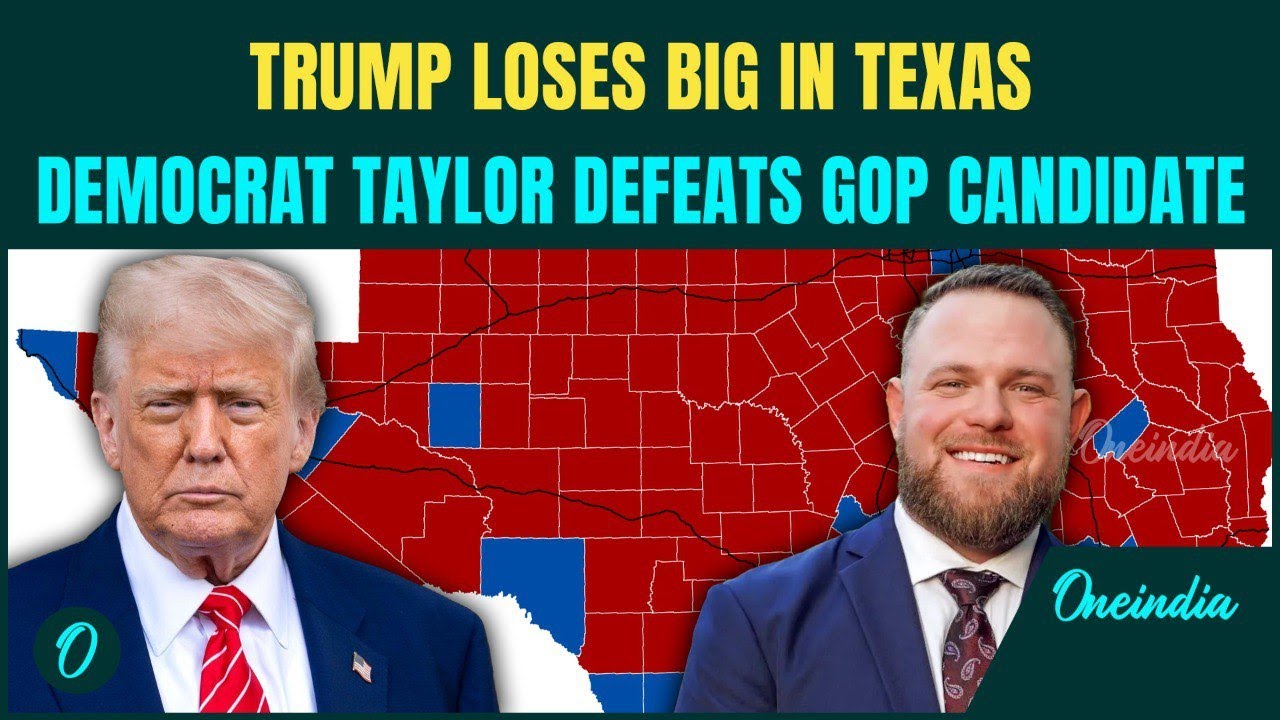
Democrat Taylor Rehmet Flips Texas State Senate Seat Trump Won by 17 Points, CNN Projects
The result highlights local voter shifts in a district long considered safe for Republicans


Introduction
Democrat Taylor Rehmet has flipped a Texas state Senate seat that former President Donald Trump won by 17 points, according to a projection by CNN. The outcome marks a notable departure from the district’s recent voting history and adds to a growing list of races where state-level results have differed from national trends. While Republicans continue to dominate much of Texas politics, this race suggests that local factors can still reshape outcomes in districts widely viewed as settled.
The projected win does not signal a broad partisan shift across the state, but it does raise questions about voter priorities, campaign strategies, and the future competitiveness of similar districts.
A District Long Aligned With Republicans
The state Senate district has consistently supported Republican candidates in both state and federal elections. Trump’s 17-point victory there reinforced its reputation as a safe GOP seat. Republican nominees historically benefited from strong turnout and party loyalty, often winning without facing serious competition.
Because of that history, the district received limited attention early in the campaign cycle. Many analysts assumed the Republican candidate would retain the seat, and outside spending remained modest. Rehmet’s victory disrupted those expectations and challenged assumptions about voter behavior in the region.
Who Is Taylor Rehmet
Taylor Rehmet entered the race with a background focused on community involvement and local advocacy rather than statewide political prominence. Throughout the campaign, Rehmet emphasized practical governance and accessibility, presenting the role of state senator as a position focused on service rather than ideology.
Rather than tying the campaign closely to national Democratic figures, Rehmet concentrated on district-specific needs. This approach helped distinguish the race from presidential politics and allowed the campaign to address voters who did not typically support Democratic candidates.
Campaign Strategy Built Around Local Issues
Rehmet’s campaign centered on issues that residents identified as immediate concerns. Property taxes were frequently raised during community meetings, particularly by homeowners facing rising costs. While tax policy is often framed along party lines in Texas, many voters expressed frustration with the lack of tangible relief.
Education was another major focus. Parents, teachers, and school administrators voiced concerns about funding stability and classroom resources. Rehmet’s proposals emphasized maintaining consistent support for public schools without relying on national political debates.
Infrastructure concerns, including road conditions and flood management, also featured prominently. These topics allowed the campaign to focus on measurable outcomes rather than partisan rhetoric.
Voter Outreach and Engagement
A defining feature of Rehmet’s campaign was its emphasis on direct voter contact. Volunteers organized door-to-door outreach in neighborhoods that had seen limited engagement in past Democratic efforts. The campaign also hosted small forums and town halls, encouraging open discussion rather than scripted messaging.
Many voters reported that they appreciated the opportunity to speak directly with the candidate. For some, this engagement alone set the campaign apart from previous races. While digital communication played a supporting role, in-person conversations appeared to have a stronger impact on undecided and independent voters.
Split-Ticket Voting in Focus
One of the most striking aspects of the result is the contrast between the state Senate race and the presidential outcome. Trump’s strong performance in the district suggested continued Republican dominance. However, the Senate results show that voters were willing to make distinctions between national and local offices.
Several voters indicated that their decision was based on perceived effectiveness rather than party affiliation. This pattern of split-ticket voting has become more common in local races, particularly where candidates emphasize responsiveness and accountability.
Republican Reaction to the Projection
Republican officials responded cautiously to CNN’s projection. While acknowledging the loss, party leaders stressed that the district remains competitive and that the outcome may reflect unique local circumstances.
Some GOP strategists pointed to turnout differences, noting that mid-level races often see less consistent participation from reliable voters. Others suggested that local dissatisfaction with incumbent leadership played a role. The result has prompted internal discussions about candidate recruitment and campaign engagement in similar districts.
Demographic and Economic Context
The district has experienced gradual demographic changes over the past several years. New housing developments and population growth have brought in residents with varied political backgrounds. While the district still leans conservative overall, these shifts have introduced a broader range of perspectives.
Economic pressures also influenced voter sentiment. Rising living costs and concerns about long-term affordability were common themes during the campaign. Rehmet’s focus on these issues appealed to voters seeking practical solutions rather than ideological alignment.
What the Flip Means for the Texas Senate
Despite the seat change, Republicans maintain control of the Texas Senate. As a result, the immediate impact on legislative outcomes will be limited. However, the flip could influence internal dynamics, particularly in close votes or committee discussions.
Rehmet has stated an intention to work across party lines, especially on issues directly affecting the district. Building relationships with Republican colleagues will be essential for advancing local priorities within a divided political environment.
Community Response to the Result
Reaction among district residents has been mixed but engaged. Supporters see the result as evidence that local participation matters, even in areas with strong party traditions. Others expressed uncertainty but welcomed the attention the race brought to local concerns.
The election has increased civic discussion within the community, with more residents attending meetings and following state legislative developments. This heightened engagement could influence future races and policy discussions.
Implications for Future Elections
Rehmet’s win may encourage Democrats to invest more resources in districts previously viewed as out of reach. At the same time, Republicans may reassess assumptions about voter loyalty and engagement.
Political analysts caution against drawing broad conclusions from a single race. However, the result underscores the importance of local campaigning and voter outreach, particularly in districts undergoing gradual change.
Looking Ahead
As Taylor Rehmet prepares to take office, attention will shift from the surprise of the election result to the responsibilities of representation. Delivering on campaign commitments and maintaining open communication with constituents will be central to sustaining support.
The flip of a seat Trump won by 17 points serves as a reminder that local elections remain influenced by community concerns and candidate engagement. While Texas politics remain largely Republican-led, this race illustrates that outcomes are not fixed and that voter priorities can reshape even long-standing political landscapes.
About the Creator
Saad
I’m Saad. I’m a passionate writer who loves exploring trending news topics, sharing insights, and keeping readers updated on what’s happening around the world.
China Grows Military-Grade Rubber in the Gobi Desert as War Reshapes Global Supply Chains
China has taken an unexpected but strategically significant step by cultivating military-grade rubber in the harsh environment of the Gobi Desert. The move comes as global conflicts, trade restrictions, and geopolitical rivalries continue to reshape supply chains for critical materials. Rubber—essential for military vehicles, aircraft components, missiles, and logistics equipment—has emerged as a strategic resource, and Beijing appears determined to reduce its dependence on foreign suppliers.
By Salaar Jamaliabout 17 hours ago in The Swamp



Comments
There are no comments for this story
Be the first to respond and start the conversation.