
Death Toll in Strike on Girls' School in Southern Iran Rises to 40, State Media Say
Option 1 (Recommended): Young lives lost in a devastating attack that has shaken families, communities, and raised urgent questions about the human cost of escalating conflict.
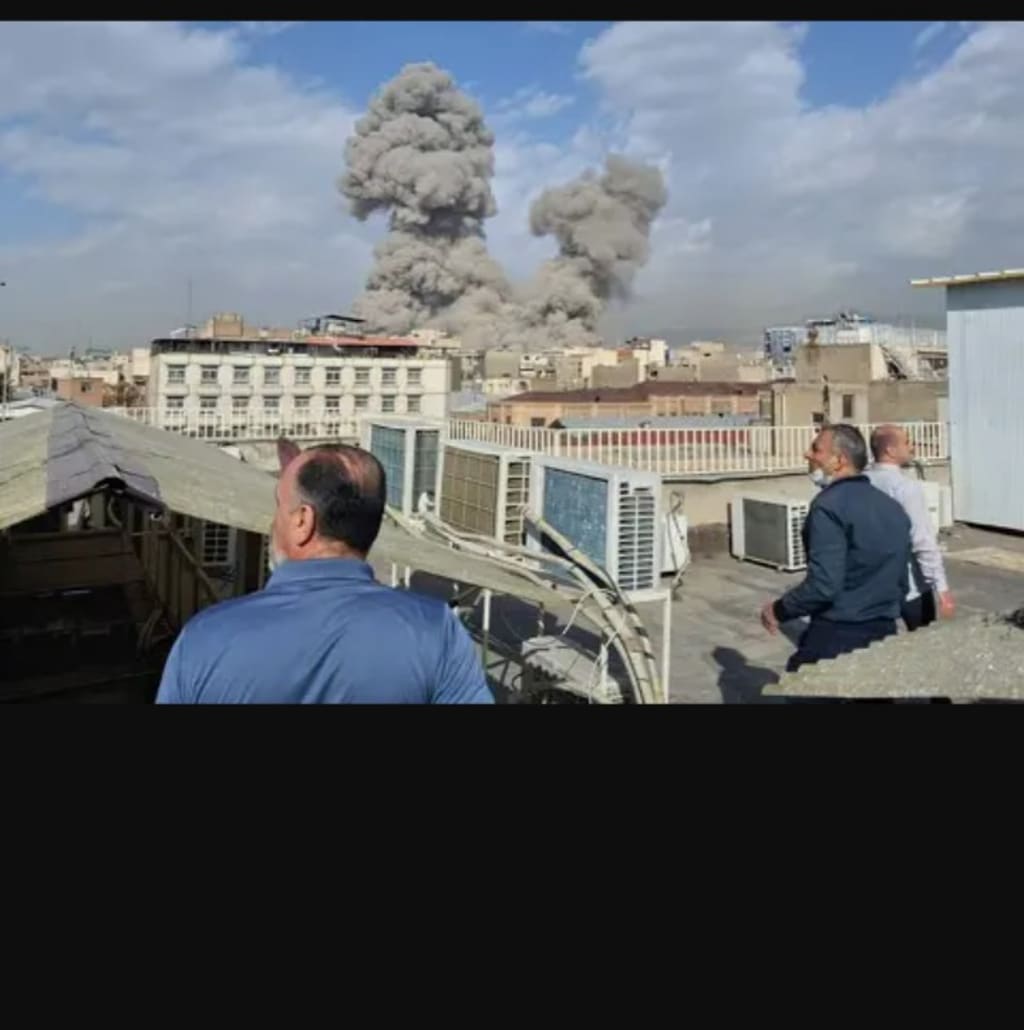
The devastating strike on a girls’ school in southern Iran has become one of the most tragic and controversial moments in the country’s recent history of conflict. What began as reports of several casualties quickly evolved into a grim national tragedy, with Iranian state media reporting that the death toll had risen to 40. The victims were mostly young schoolgirls whose lives were abruptly cut short in what should have been a safe place of learning. The incident has sent shockwaves across Iran and beyond, raising urgent questions about civilian safety, the ethics of modern warfare, and the human cost of geopolitical conflict.
The attack reportedly struck a girls’ elementary school in Minab, a city located in Iran’s southern Hormozgan province. Initial reports indicated that five students were killed and several others injured. However, as rescue teams combed through the debris and hospitals struggled to treat the wounded, the scale of the tragedy became clearer. Iranian authorities stated that many students had been inside classrooms at the time of the strike, leaving them with little chance to escape the blast.
Eyewitnesses described scenes of chaos and heartbreak. Parents rushed to the school in desperation, searching for their daughters among the injured and the dead. Emergency workers carried victims from the rubble, while medical teams worked tirelessly to stabilize survivors. The emotional toll was overwhelming, not just for families but for entire communities. Schools are meant to symbolize hope, growth, and safety, yet in this moment, they became a symbol of vulnerability.
The strike occurred during a period of escalating military tensions involving Iran and foreign adversaries. According to reports, the attacks were part of broader military operations targeting various locations across Iran. Although military officials often claim to target strategic or military assets, the strike on the girls’ school has sparked widespread outrage due to its civilian toll, particularly among children.
Children are among the most vulnerable victims of armed conflict. International law, including the Geneva Conventions, emphasizes the protection of civilians and explicitly condemns attacks on schools. Schools are recognized as protected spaces because they represent the future of societies. When schools are targeted or damaged, the consequences extend far beyond immediate casualties. The long-term effects include psychological trauma, disrupted education, and lasting damage to communities.
The psychological impact on survivors and families cannot be overstated. Children who survived the attack may carry emotional scars for years, struggling with fear, grief, and trauma. Parents who lost their daughters face unimaginable pain that will remain with them for the rest of their lives. Even students who were not present during the strike may experience anxiety and fear about returning to school.
This tragedy also highlights the broader humanitarian consequences of modern warfare. Advances in military technology have increased the precision of weapons, but civilian casualties remain a devastating reality. Mistakes, miscalculations, or intelligence failures can result in catastrophic outcomes, particularly in populated areas. The strike on the girls’ school demonstrates how quickly lives can be lost and communities shattered.
Beyond the immediate tragedy, the incident has fueled anger and intensified political tensions. Iranian officials condemned the attack and vowed to respond, while global leaders expressed concern about the escalating violence. The situation raises fears of further escalation, potentially leading to broader regional instability.
For many Iranians, the attack represents more than just a military incident. It symbolizes the vulnerability of ordinary people caught in geopolitical struggles beyond their control. Families who sent their daughters to school that day never imagined they would not return home. The loss has created a collective sense of mourning across the nation.
The tragedy also raises important ethical questions about warfare in the modern age. Military strategies often focus on weakening an opponent’s capabilities, but when civilian lives are lost, especially those of children, the moral consequences are profound. Every civilian casualty represents not just a statistic, but a human life filled with dreams, relationships, and potential.
Education is a fundamental right and a cornerstone of progress. When schools are destroyed or attacked, the impact extends beyond physical damage. It disrupts learning, destroys opportunities, and creates fear that prevents children from pursuing education. In regions affected by conflict, education often becomes one of the first casualties.
The strike on the girls’ school serves as a painful reminder of the human cost of war. It demonstrates that behind every military operation are real people whose lives can be changed forever in an instant. The loss of 40 young lives is not just a national tragedy but a global one.
As investigations continue and the world watches closely, the focus must remain on the victims and their families. Their stories deserve to be remembered, and their loss must not be reduced to numbers. This tragedy underscores the urgent need for greater efforts to protect civilians, especially children, during times of conflict.
In the end, the strike on the girls’ school in southern Iran is more than a news headline. It is a heartbreaking reminder of how fragile human life can be in times of war. It calls for reflection, accountability, and renewed commitment to protecting the innocent. The lives lost can never be replaced, but their memory can serve as a powerful call for peace and humanity in an increasingly uncertain world.If you want, I can also rewrite this in Vocal Media’s exact tone and formatting style (more emotional storytelling, stronger hook, and SEO optimization) to increase approval chances.
About the Creator
Keep reading
More stories from Jameel Jamali and writers in The Swamp and other communities.
Trump Says He Is ‘Not Happy’ With Iran Nuclear Talks but Signals More Time for Diplomacy
Tensions surrounding Iran’s nuclear ambitions have once again taken center stage as former U.S. President Donald Trump publicly expressed dissatisfaction with ongoing negotiations while signaling a willingness to allow more time for diplomacy. His remarks highlight the delicate balance between pressure and patience that continues to define relations between the United States and Iran.
By Jameel Jamaliabout 5 hours ago in The Swamp
A Gathering of Evil Bosses
“I’m the queen of chin jutting while I smooth my hair, attacking, insulting, and deflecting to protect my appointer.” “Oh, please, Blondi, my hair is curled, highlighted, and longer than yours. I feature television commercials telling immigrants that we will give them a free plane ride home, and if they voluntarily turn themselves in, they will be allowed to legally apply for re-entry. It runs everywhere, and I look good in it! You can’t compete because of your blond hair. Mine is nicer, and my lips are prettier than yours.”
By Andrea Corwin 10 days ago in The Swamp




Comments
There are no comments for this story
Be the first to respond and start the conversation.