
Trump Says He Is ‘Not Happy’ With Iran Nuclear Talks but Signals More Time for Diplomacy
Trump Signals Frustration but Leaves Door Open for Continued Iran Nuclear Negotiations
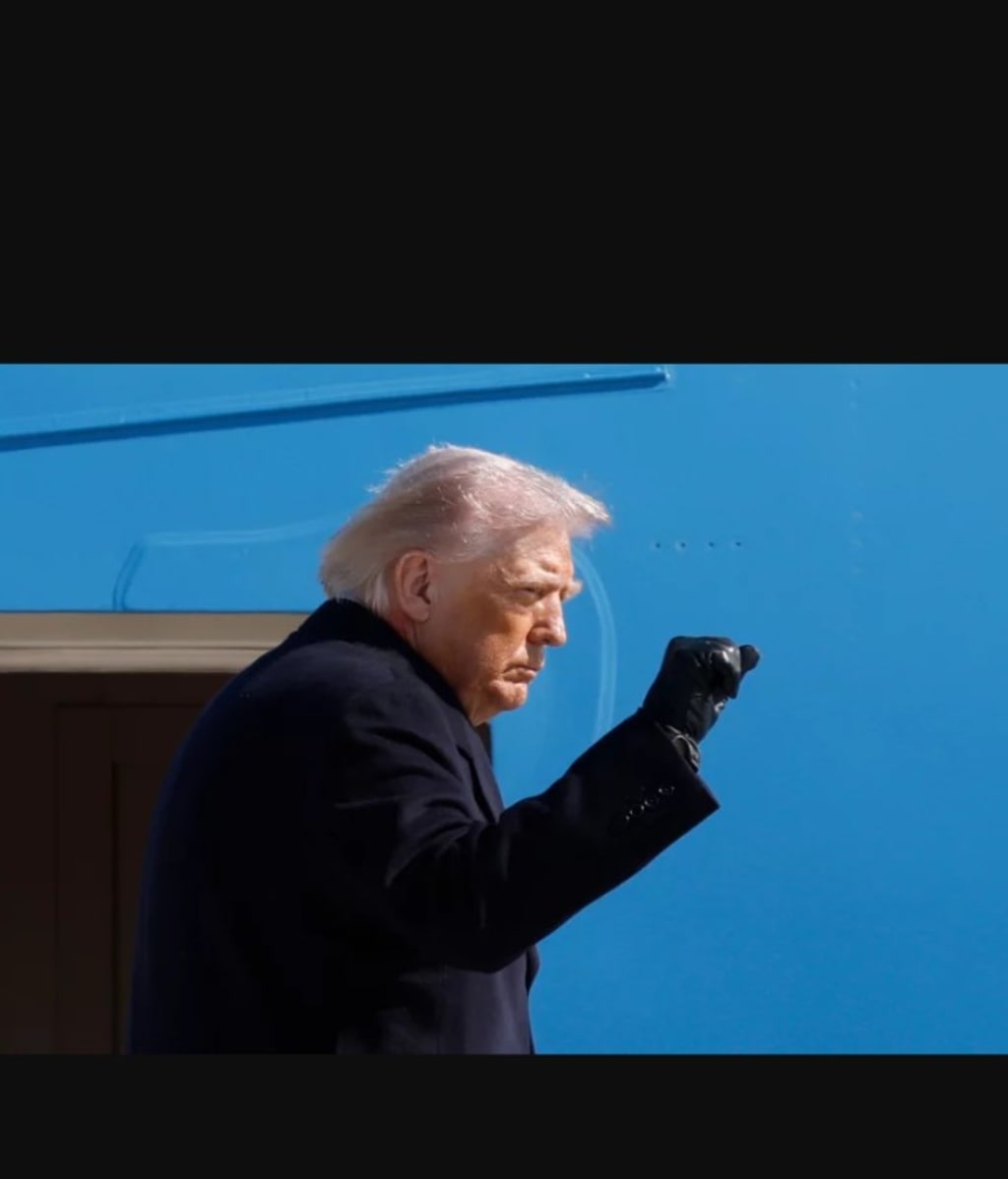
Tensions surrounding Iran’s nuclear ambitions have once again taken center stage as former U.S. President Donald Trump publicly expressed dissatisfaction with ongoing negotiations while signaling a willingness to allow more time for diplomacy. His remarks highlight the delicate balance between pressure and patience that continues to define relations between the United States and Iran.
Trump’s statement reflects broader uncertainty surrounding the future of nuclear negotiations and underscores the challenges facing global leaders attempting to prevent nuclear proliferation while avoiding military confrontation.
A Familiar and Contentious Issue
Iran’s nuclear program has long been a source of international concern. Western nations, particularly the United States, fear that Iran could develop nuclear weapons capability under the guise of civilian nuclear energy development. Iran, however, has consistently maintained that its nuclear activities are intended solely for peaceful purposes, including energy production and medical research.
The issue gained global attention with the signing of the Joint Comprehensive Plan of Action (JCPOA) in 2015. The agreement involved Iran and several world powers, including the United States, and aimed to limit Iran’s nuclear program in exchange for sanctions relief.
However, in 2018, Trump withdrew the United States from the agreement, arguing that it failed to adequately prevent Iran from eventually developing nuclear weapons. The withdrawal marked a turning point in U.S.-Iran relations and led to renewed tensions, economic sanctions, and diplomatic standoffs.
Trump’s Renewed Criticism of the Talks
Trump’s recent comments indicate frustration with the pace and effectiveness of ongoing negotiations. By stating he is “not happy,” he signaled skepticism about whether the current diplomatic approach is producing meaningful results.
At the same time, his willingness to allow more time suggests recognition that diplomacy remains the preferred option over confrontation. This dual message reflects a broader strategy of maintaining pressure while keeping communication channels open.
Trump has consistently emphasized a hardline stance toward Iran, advocating for stronger agreements with stricter enforcement mechanisms. His administration’s “maximum pressure” campaign aimed to weaken Iran economically in hopes of forcing concessions.
Even now, his rhetoric continues to influence political discourse surrounding Iran policy, both domestically and internationally.
Iran’s Perspective and Strategic Position
From Iran’s standpoint, nuclear negotiations represent both an opportunity and a challenge. Sanctions imposed by the United States and its allies have had significant economic consequences, limiting Iran’s ability to trade internationally and affecting its currency, inflation, and employment levels.
Iranian officials have repeatedly called for sanctions relief as part of any agreement. Leaders in Tehran argue that economic restrictions unfairly punish ordinary citizens and undermine trust in diplomatic processes.
However, Iran has also demonstrated resilience, strengthening trade relationships with other countries and expanding domestic production to reduce dependence on foreign imports.
This complex dynamic makes negotiations particularly difficult, as both sides seek to protect their national interests while avoiding escalation.
Global Stakes and Regional Stability
The outcome of Iran’s nuclear negotiations carries significant implications for global security. A successful agreement could reduce the risk of nuclear proliferation and ease tensions in the Middle East, a region already marked by conflict and political instability.
Conversely, a breakdown in talks could increase the likelihood of confrontation. Military conflict between Iran and the United States—or involving regional allies—would have far-reaching consequences, including economic disruption and humanitarian concerns.
Countries around the world are closely monitoring developments. European nations, in particular, have expressed strong support for diplomatic solutions and have worked to facilitate dialogue between the parties.
International organizations, including the United Nations, continue to emphasize the importance of peaceful negotiation and compliance with nuclear non-proliferation standards.
Domestic Political Implications in the United States
Trump’s comments also carry political significance within the United States. Iran policy has long been a divisive issue, with differing views on whether diplomacy or economic pressure is the most effective strategy.
Supporters of Trump’s approach argue that strong pressure is necessary to ensure compliance and protect national security. Critics, however, contend that withdrawing from the original nuclear deal increased tensions and made diplomacy more difficult.
As a prominent political figure and influential voice, Trump’s statements shape public debate and influence how policymakers approach the issue.
The future direction of U.S.-Iran relations may depend not only on international negotiations but also on domestic political developments.
The Role of Diplomacy in Preventing Conflict
Despite his dissatisfaction, Trump’s willingness to allow negotiations more time highlights an important reality: diplomacy remains the most viable path to resolving complex international disputes.
Military action carries enormous risks, including loss of life, economic disruption, and regional instability. Diplomatic agreements, while imperfect, offer a means of managing tensions and reducing threats without resorting to violence.
Negotiations require patience, compromise, and trust—qualities that are often difficult to sustain in high-stakes geopolitical conflicts.
The challenge lies in finding solutions that address security concerns while respecting national sovereignty.
Uncertainty and the Road Ahead
The future of Iran’s nuclear negotiations remains uncertain. Trump’s comments reflect broader skepticism but also acknowledge the importance of continued dialogue.
Both the United States and Iran face difficult choices. Escalation could lead to unpredictable consequences, while compromise may require political concessions that are difficult to accept domestically.
The international community continues to watch closely, aware that the outcome will shape global security for years to come.
Ultimately, Trump’s remarks underscore the fragile nature of diplomacy. His dissatisfaction highlights the challenges involved, while his willingness to allow more time reflects recognition that peaceful negotiation remains essential.
In a world increasingly defined by geopolitical rivalry, the ability of nations to resolve disputes through dialogue may determine not only regional stability but also the broader future of international peace.
About the Creator
Keep reading
More stories from Jameel Jamali and writers in The Swamp and other communities.
Canada’s Leader Heads to Asia and Australia to Build ‘Middle Power’ Bonds
In an increasingly divided global landscape shaped by major power rivalries, Canada is positioning itself as a bridge-builder. Prime Minister Justin Trudeau’s recent diplomatic trip to Asia and Australia signals a deliberate effort to strengthen alliances among so-called “middle powers”—countries that may not dominate global politics individually but can wield significant influence collectively.
By Jameel Jamaliabout 4 hours ago in The Swamp
A Gathering of Evil Bosses
“I’m the queen of chin jutting while I smooth my hair, attacking, insulting, and deflecting to protect my appointer.” “Oh, please, Blondi, my hair is curled, highlighted, and longer than yours. I feature television commercials telling immigrants that we will give them a free plane ride home, and if they voluntarily turn themselves in, they will be allowed to legally apply for re-entry. It runs everywhere, and I look good in it! You can’t compete because of your blond hair. Mine is nicer, and my lips are prettier than yours.”
By Andrea Corwin 10 days ago in The Swamp
Is America Attacking Iran?
In short: No large-scale American attack on Iran is happening right now. There are serious tensions between the United States and Iran, and both sides are preparing and warning each other — but as of today there is no confirmed full-scale US invasion or full military strike currently underway. Instead, the situation shows a mix of military buildup, intense rhetoric, and ongoing diplomacy.
By shaoor afridi4 days ago in The Swamp
Magic
Note from the Author: I want to let you know that this is an unusual story, and it has been written purely from whatever is in my unconscious mind, because before I start writing, I get into a flow state that reaches my unconsciousness. I also write in my subconscious mind, which is like a mid-flow state between the conscious and unconscious mind.
By Denise Larkin6 days ago in Fiction




Comments
There are no comments for this story
Be the first to respond and start the conversation.