
Deadly Train Hijacking in Balochistan Sparks Tensions
Militants hijack Jaffar Express in Balochistan, killing hostages and exposing deep-rooted insurgency and political unrest.

Understanding the Ongoing Conflict in Balochistan: A Deep Dive into the Latest Train Hijacking Incident
Balochistan, Pakistan’s largest yet most sparsely populated province, has once again come under the global spotlight following a dramatic and deadly train hijacking incident. The hijacking of the Jaffar Express by militants from the Balochistan Liberation Army (BLA) has highlighted the long-standing tensions in the region. This article explores the details of the recent attack, the historical context of the Baloch insurgency, and the broader implications for regional stability and security.
The Jaffar Express Hijacking: What Happened?
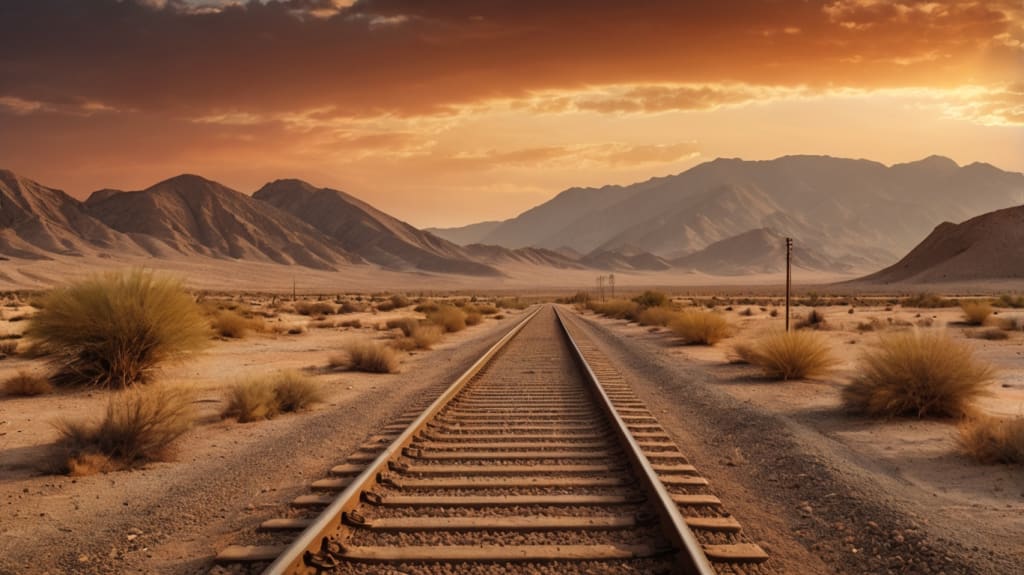
On March 11, 2025, the Jaffar Express, traveling from Quetta to Peshawar, was ambushed by armed militants from the Balochistan Liberation Army (BLA) near Mach, a small town in the Bolan district. According to initial reports, the militants blew up parts of the railway track, forcing the train to stop. Gunfire erupted as the attackers boarded the train, taking over 100 passengers hostage, including security personnel and civilians.
The militants quickly issued demands for a prisoner exchange and threatened to execute hostages if their demands were not met. The Pakistani military and security forces launched a swift rescue operation, which resulted in intense gunfire. Reports indicate that over 100 hostages were rescued, and at least 16 militants were killed during the operation. However, casualties among the hostages and security forces have also been reported, further escalating the humanitarian crisis.
Balochistan’s History of Unrest and Insurgency
The conflict in Balochistan is rooted in decades of political, economic, and ethnic grievances. Balochistan, rich in natural resources such as natural gas, coal, and minerals, has long suffered from economic neglect and political marginalization. Despite contributing significantly to Pakistan's economy through its resource wealth, the province remains underdeveloped, with high poverty rates and poor infrastructure.
The Balochistan Liberation Army (BLA), along with other separatist groups, has been fighting for greater autonomy and, in some cases, complete independence from Pakistan since the early 2000s. The BLA and similar factions accuse the Pakistani government of exploiting Balochistan's resources without reinvesting in the province or addressing the needs of the local population. This perceived injustice has fueled resentment and driven support for separatist movements.
Strategic Importance of Balochistan
Balochistan's geopolitical significance extends beyond Pakistan's borders. The province serves as a key corridor for the China-Pakistan Economic Corridor (CPEC), a multibillion-dollar infrastructure project aimed at connecting China's Xinjiang region with the Arabian Sea through the port city of Gwadar.
The BLA and other separatist groups have repeatedly targeted CPEC infrastructure projects, viewing them as tools of exploitation rather than development. Attacks on Chinese nationals and construction sites have raised concerns in both Islamabad and Beijing about the long-term security of CPEC. The train hijacking incident refl]ects the ongoing security challenges posed by insurgent groups determined to disrupt these strategic projects.
Government Response and Security Measures
The Pakistani government has vowed to crack down on separatist activities in Balochistan, increasing military presence and launching counterterrorism operations. Following the train hijacking, security forces conducted search and rescue missions in the Bolan region, targeting suspected militant hideouts. The government also imposed a temporary curfew to prevent further escalations.
However, increased militarization has often been met with criticism from human rights organizations, which accuse the Pakistani military of human rights abuses, including enforced disappearances, extrajudicial killings, and torture of Baloch activists and civilians. The cycle of violence and repression has further deepened mistrust between the Baloch population and the central government.
Impact on Civilians and Humanitarian Concerns
The ongoing conflict in Balochistan has taken a significant toll on civilians. The recent train hijacking left passengers traumatized, with survivors recounting terrifying hours under the threat of violence. Families of hostages faced uncertainty and fear as negotiations unfolded and gunfire erupted during the rescue operation.
Beyond the immediate casualties, the broader conflict has displaced thousands of Baloch families over the years. Economic instability, lack of access to education and healthcare, and the constant threat of violence have created a humanitarian crisis in the province. International human rights organizations have called on the Pakistani government to address the root causes of the conflict through political dialogue and economic reforms rather than relying solely on military action.
Regional and International Implications
The conflict in Balochistan has implications for regional stability, particularly for Pakistan's relationships with neighboring countries and key allies like China. Security concerns surrounding CPEC have prompted Beijing to pressure Islamabad to strengthen security measures in Balochistan. The hijacking incident underscores the vulnerability of major infrastructure projects to insurgent attacks, potentially discouraging future foreign investment.
Moreover, tensions in Balochistan have spilled over into Afghanistan and Iran, where Baloch nationalist groups have established networks and occasionally sought refuge. Cross-border tensions between Pakistan and its neighbors have complicated efforts to stabilize the region and address insurgency through diplomatic channels.
The Path Forward: Addressing the Balochistan Conflict
Resolving the conflict in Balochistan requires a multifaceted approach that combines political, economic, and social reforms with security measures. Key steps include:
Political Dialogue: Engaging with Baloch nationalist leaders and addressing their political grievances through constitutional reforms and greater representation in national decision-making.
Economic Development: Ensuring that Balochistan's resource wealth benefits local communities through infrastructure development, education, and job creation.
Human Rights Protections: Ending enforced disappearances and extrajudicial killings while holding security forces accountable for human rights violations.
Security Reforms: Implementing a balanced counterterrorism strategy that protects civilians and respects the rights of local communities.
Conclusion
The recent train hijacking in Balochistan has once again brought the province's deep-rooted tensions and ongoing insurgency into the global spotlight. While the immediate crisis may have been resolved, the underlying grievances fueling the conflict remain unaddressed. A long-term solution requires a shift from militarization to meaningful political and economic engagement with the Baloch population. Without addressing the root causes of the conflict, Balochistan is likely to remain a flashpoint for instability and violence in the region.
About the Creator
Madi Speaks
Welcome to My blog channel where i (Madi Speaks) post daily trending content.
Discover engaging content on motivation, success, lifestyle, and trends. Stay inspired, informed, and curious as we explore stories that matter!
Keep reading
More stories from Madi Speaks and writers in The Swamp and other communities.
Karnataka Budget 2025: Key Highlights & Impact on Growth
Karnataka Budget 2025: Key Highlights and Impact on the State The Karnataka Budget 2025, presented by Chief Minister Siddaramaiah, has drawn significant attention due to its ambitious outlay and focus on economic growth, infrastructure, and welfare initiatives. With an allocation of ₹4 lakh crore, this budget aims to propel Karnataka toward sustainable development while addressing key challenges in various sectors.
By Madi Speaksabout a year ago in The Swamp
A Gathering of Evil Bosses
“I’m the queen of chin jutting while I smooth my hair, attacking, insulting, and deflecting to protect my appointer.” “Oh, please, Blondi, my hair is curled, highlighted, and longer than yours. I feature television commercials telling immigrants that we will give them a free plane ride home, and if they voluntarily turn themselves in, they will be allowed to legally apply for re-entry. It runs everywhere, and I look good in it! You can’t compete because of your blond hair. Mine is nicer, and my lips are prettier than yours.”
By Andrea Corwin 18 days ago in The Swamp
Israel–Iran Attack: Rising Tensions Shake the Middle East
The long-standing rivalry between Israel and Iran has erupted into a major military confrontation, raising fears of a wider war across the Middle East. Over the past week, the region has witnessed intense airstrikes, missile launches, and retaliatory attacks that have drawn global attention and concern. The latest escalation began when Israel launched a large-scale military operation targeting Iranian military and strategic facilities. The strikes were part of a coordinated campaign known as Operation Lion’s Roar, which involved precision airstrikes against key locations in Tehran and other cities. The operation reportedly targeted missile bases, command centers, and facilities connected to Iran’s military infrastructure. Israeli officials said the attacks were aimed at preventing what they described as an imminent threat from Iran’s missile and nuclear programs. Israel has long accused Tehran of attempting to expand its military influence in the region and of supporting armed groups hostile to Israel. Iranian leaders have repeatedly denied seeking nuclear weapons, but tensions over the issue have remained high for years. In response to the strikes, Iran launched a wave of retaliatory missile and drone attacks targeting Israeli territory and regional military sites. Sirens sounded across several Israeli cities as air defense systems were activated to intercept incoming projectiles. Although many missiles were reportedly intercepted, some managed to strike near urban areas, causing damage and injuries. The conflict intensified further after reports emerged that Iran’s Supreme Leader, Ali Khamenei, was killed in a targeted airstrike during the early phase of the operation. The strike was part of a broader attempt to weaken Iran’s command structure during the escalating conflict. Following the attack, Iran declared that it would continue to retaliate against Israel and its allies. Iranian officials warned that any further attacks would trigger a broader regional response. As a result, military forces in several neighboring countries have been placed on high alert. The situation has also drawn in the United States, which has supported Israeli operations and carried out additional strikes against Iranian targets. According to reports, U.S. forces have attacked hundreds of sites believed to be connected to Iran’s military and security infrastructure. At the same time, political tensions inside the United States have grown. Lawmakers in Washington debated whether the president should have sought congressional approval before launching military operations. A resolution aimed at limiting the president’s war powers was narrowly rejected in the House of Representatives, reflecting deep divisions over the conflict. The conflict has also triggered reactions from groups allied with Iran. In Lebanon, the militant group Hezbollah began launching attacks toward northern Israel, opening another front in the conflict. These developments have raised fears that the fighting could spread across several countries in the region. Meanwhile, Israel has declared a nationwide state of emergency as authorities prepare for possible further missile strikes. Schools have been closed, public gatherings restricted, and thousands of military reservists mobilized to strengthen defenses. The humanitarian impact of the conflict is already severe. Reports indicate that hundreds of people have been killed and thousands injured as airstrikes continue across Iran and missile attacks hit Israeli cities. Civilian infrastructure has also been damaged, and international organizations are warning that the situation could deteriorate further if hostilities continue. Global leaders are now urging both sides to exercise restraint and return to diplomatic negotiations. Many fear that continued escalation could destabilize the entire Middle East, disrupt global energy supplies, and increase the risk of a much larger international conflict. For now, the Israel-Iran confrontation remains one of the most dangerous geopolitical crises in recent years. As missiles continue to fly and diplomatic efforts struggle to gain traction, the world is watching closely to see whether the situation will move toward peace—or spiral into a prolonged regional war.
By Fiaz Ahmed a day ago in The Swamp



Comments
There are no comments for this story
Be the first to respond and start the conversation.