
CVS Tops Quarterly Estimates, Reaffirms Profit Outlook as Turnaround Plan Takes Effect
Strong Financial Performance Signals Recovery for Healthcare Giant Amid Strategic Reforms

CVS Health has reported stronger-than-expected quarterly earnings, beating market estimates and reaffirming its profit outlook for the year. The positive results reflect the early success of the company’s turnaround strategy, which focuses on cost control, operational efficiency, and improved customer services. After facing challenges from rising healthcare costs, lower insurance margins, and changing consumer behavior, CVS is now showing clear signs of recovery.
The latest financial performance has boosted investor confidence and strengthened CVS’s position as one of the leading healthcare and pharmacy companies in the United States. With its transformation plan beginning to deliver results, CVS is positioning itself for sustainable long-term growth.
Quarterly Results Exceed Expectations
In its most recent earnings report, CVS announced revenues and profits that surpassed Wall Street forecasts. The company benefited from improved performance in its pharmacy, retail, and healthcare services divisions. Higher prescription volumes, increased customer visits, and better cost management played a key role in driving earnings growth.
Management highlighted that disciplined spending and strategic investments helped improve profit margins. By reducing unnecessary expenses and streamlining operations, CVS was able to protect its bottom line despite economic uncertainty and inflationary pressures.
The strong results demonstrate that CVS’s efforts to stabilize its business after a difficult period are starting to pay off.
Turnaround Plan Begins to Show Results
Over the past two years, CVS has implemented a comprehensive turnaround plan aimed at restoring profitability and improving customer experience. The strategy includes modernizing stores, enhancing digital platforms, expanding healthcare services, and optimizing insurance operations through its Aetna unit.
One major focus has been improving in-store efficiency. CVS has redesigned store layouts, improved inventory management, and invested in staff training to reduce wait times and enhance service quality. These changes have helped attract more customers and increase loyalty.
In addition, the company has expanded its healthcare offerings by opening more health clinics and strengthening telehealth services. These initiatives align with CVS’s long-term vision of becoming a fully integrated healthcare provider rather than just a retail pharmacy chain.
Reaffirmed Profit Outlook Boosts Confidence
Alongside its strong quarterly performance, CVS reaffirmed its profit outlook for the full year. The company expects stable revenue growth and improved operating margins, supported by continued execution of its transformation strategy.
Reaffirming guidance is particularly important in the current economic climate, where many companies have lowered expectations due to inflation, labor shortages, and slowing consumer spending. CVS’s confidence suggests that management believes the business is well-positioned to handle ongoing challenges.
Investors responded positively to the announcement, viewing it as a sign that the company’s recovery is sustainable rather than temporary.
Improved Performance Across Business Segments
CVS operates through three main business segments: pharmacy services, retail and long-term care, and health insurance. All three divisions showed signs of improvement during the quarter.
The pharmacy services segment benefited from increased prescription volumes and stronger relationships with healthcare providers. Better negotiation with suppliers and improved efficiency also helped reduce costs.
The retail segment saw higher foot traffic, driven by improved store layouts, expanded product offerings, and better customer engagement. CVS has also invested heavily in digital tools, allowing customers to manage prescriptions and shop online more easily.
Meanwhile, the health insurance unit, Aetna, reported stronger margins and improved customer retention. Better risk management and pricing strategies contributed to this performance.
Cost Control and Efficiency Measures
A key pillar of CVS’s turnaround plan has been aggressive cost control. The company has reduced administrative expenses, consolidated operations, and renegotiated supplier contracts. These measures have helped offset rising wages and transportation costs.
CVS has also invested in automation and data analytics to improve supply chain management and demand forecasting. By using advanced technology, the company has minimized waste, reduced stock shortages, and improved delivery times.
These efficiency improvements not only boost profitability but also enhance customer satisfaction, creating a positive cycle of growth.
Challenges Still Remain
Despite the encouraging results, CVS continues to face several challenges. The healthcare industry is highly regulated, and changes in government policies could affect reimbursement rates and operating costs.
Competition is also intensifying, with rivals such as Walgreens, Amazon, and online pharmacy platforms expanding their presence. These competitors are offering faster delivery, lower prices, and more personalized services, putting pressure on traditional retailers.
In addition, rising medical costs and an aging population could strain insurance operations in the future. Managing these risks will require careful planning and continued innovation.
Market Reaction and Investor Sentiment
Following the earnings announcement, CVS shares experienced a positive reaction in the stock market. Analysts praised the company’s improved execution and renewed focus on core strengths.
Many investors see CVS’s turnaround as an example of how large, established companies can adapt to changing market conditions. By embracing digital transformation and healthcare integration, CVS has strengthened its competitive position.
However, some analysts remain cautious, emphasizing the need for consistent performance over multiple quarters before declaring a full recovery.
Long-Term Growth Strategy
Looking ahead, CVS plans to continue investing in healthcare services, digital platforms, and community-based clinics. The company aims to expand its role in preventive care, chronic disease management, and personalized medicine.
Partnerships with hospitals, technology firms, and insurance providers are also expected to play a key role in future growth. These collaborations can help CVS deliver more comprehensive and cost-effective healthcare solutions.
Furthermore, the company is exploring new revenue streams, including wellness programs, subscription services, and home healthcare offerings. These initiatives could reduce dependence on traditional retail pharmacy sales.
Conclusion
CVS Health’s strong quarterly performance and reaffirmed profit outlook mark a turning point in its recovery journey. The results highlight the effectiveness of its turnaround plan, which emphasizes efficiency, innovation, and integrated healthcare services.
While challenges remain in a competitive and regulated industry, CVS’s renewed financial strength and strategic focus provide a solid foundation for future growth. For investors, customers, and industry observers, the company’s latest results offer reassurance that its transformation efforts are delivering real and measurable progress.
As CVS continues to refine its business model and adapt to evolving healthcare needs, it is well-positioned to remain a major force in the sector for years to come.
About the Creator
The Saddest Thing - The Billionaires Who Rule America Aren't Even Enjoying Themselves
This single post says more about our ruling class than a thousand policy papers. The saddest thing about today's system is that the men robbing the rest of us - sabotaging our economic prospects, our pensions, our access to affordable healthcare - are not even happy.
By Scott Christenson🌴6 days ago in The Swamp
Hong Kong Court Jails Pro-Democracy Media Tycoon Jimmy Lai for 20 Years
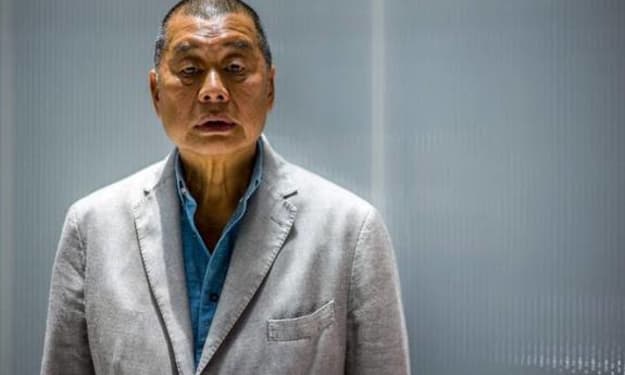
A Hong Kong court has sentenced pro-democracy media tycoon Jimmy Lai to 20 years in prison, marking one of the most severe penalties handed down under the city’s national security framework and delivering a powerful blow to press freedom and political dissent in the former British colony. Lai, the 76-year-old founder of the now-defunct newspaper Apple Daily, was convicted on multiple charges including collusion with foreign forces and conspiracy to publish seditious materials. The verdict concludes a years-long legal battle that has drawn intense international scrutiny and condemnation from human rights groups and Western governments. The ruling was delivered after months of closed-door hearings in a case widely viewed as a test of Hong Kong’s judicial independence under Beijing’s sweeping national security law imposed in 2020. A Symbol of the Democracy Movement Once one of Hong Kong’s most outspoken critics of the Chinese Communist Party, Lai built his media empire into a platform for democratic activism. Apple Daily became famous for its tabloid style, aggressive reporting, and open support for pro-democracy protests, especially during the massive demonstrations of 2019. Authorities accused Lai of using his media influence to encourage foreign governments to impose sanctions on China and Hong Kong officials, actions prosecutors said amounted to “collusion with external forces.” In court, Lai maintained his innocence and argued that his journalism and public statements were protected forms of expression. “I have always believed in freedom of speech and the rule of law,” he told the court in a previous hearing. The Charges and Sentence Judges ruled that Lai’s activities constituted a serious threat to national security and justified the lengthy sentence. The court cited articles published by Apple Daily, meetings with foreign officials, and public interviews in which Lai criticized Beijing as evidence of intent to undermine state authority. Prosecutors had sought a life sentence, while defense lawyers argued that Lai’s actions were political expression rather than criminal conduct. The final ruling of 20 years represents one of the harshest penalties imposed on a media figure in Hong Kong’s history. Lai has already spent several years in detention while awaiting trial, meaning he is unlikely to be released until his late 90s. International Reaction The sentencing sparked swift reactions from abroad. The United States, Britain, and the European Union issued statements expressing deep concern and calling the verdict a further erosion of freedoms guaranteed under the “one country, two systems” framework that governed Hong Kong after its return to Chinese rule in 1997. A spokesperson for the U.S. State Department said the sentence demonstrated “the ongoing dismantling of press freedom and political pluralism in Hong Kong.” Amnesty International described the ruling as “a chilling signal to journalists everywhere,” warning that the case sets a precedent for criminalizing criticism of the government. China’s Foreign Ministry rejected the criticism, insisting that the trial was conducted according to law and that no one is above national security regulations. Closure of Apple Daily Lai’s conviction follows the forced closure of Apple Daily in 2021 after authorities froze the newspaper’s assets and arrested senior editors. The shutdown left more than 1,000 employees jobless and removed one of the last openly pro-democracy voices from Hong Kong’s media landscape. Since then, dozens of civil society groups, unions, and opposition parties have dissolved, citing legal pressure and fear of prosecution. Several journalists and activists have either been arrested or gone into exile. Media analysts say Lai’s sentencing cements a transformation of Hong Kong from a vibrant center of free expression into a tightly controlled political environment. “This case shows that even the most prominent figures are not immune,” said one former Hong Kong editor now living abroad. “It sends a clear warning to the entire press community.” Impact on Hong Kong’s Future The ruling deepens concerns about Hong Kong’s role as an international financial and media hub. Foreign companies and governments have increasingly questioned whether the city can still be trusted to uphold free speech and the rule of law. Legal experts note that the national security law allows cases to be heard by handpicked judges and permits closed trials under certain conditions, fueling criticism that the system lacks transparency. Supporters of Beijing argue that the law has restored stability after years of unrest. Officials say press freedom still exists but must operate within boundaries defined by national security. Family and Supporters React Outside the courthouse, Lai’s supporters gathered quietly, many holding signs reading “Free Jimmy Lai” and “Journalism is not a crime.” His family released a short statement saying they were “heartbroken” but proud of his principles. “My father stood for truth and freedom,” the statement said. “We hope the world will not forget him.” A Defining Moment Jimmy Lai’s 20-year sentence marks a defining moment in Hong Kong’s political history. Once celebrated as Asia’s freest city, Hong Kong now faces a future in which dissent and independent journalism carry severe consequences. For many observers, the case symbolizes the end of an era — one in which outspoken media voices could challenge power without fear of imprisonment. As Lai was led away from court, he raised his hand briefly in a gesture of acknowledgment toward supporters. It was a small moment of defiance in a case that has reshaped Hong Kong’s media and political landscape.
By Fiaz Ahmed 4 days ago in The Swamp



Comments
There are no comments for this story
Be the first to respond and start the conversation.