
Crypto Glitch Sends $44 Billion in Bitcoin to Users by Mistake
A massive technical error at a South Korean crypto firm accidentally transfers billions, exposing vulnerabilities in blockchain systems and sparking urgent industry debates.
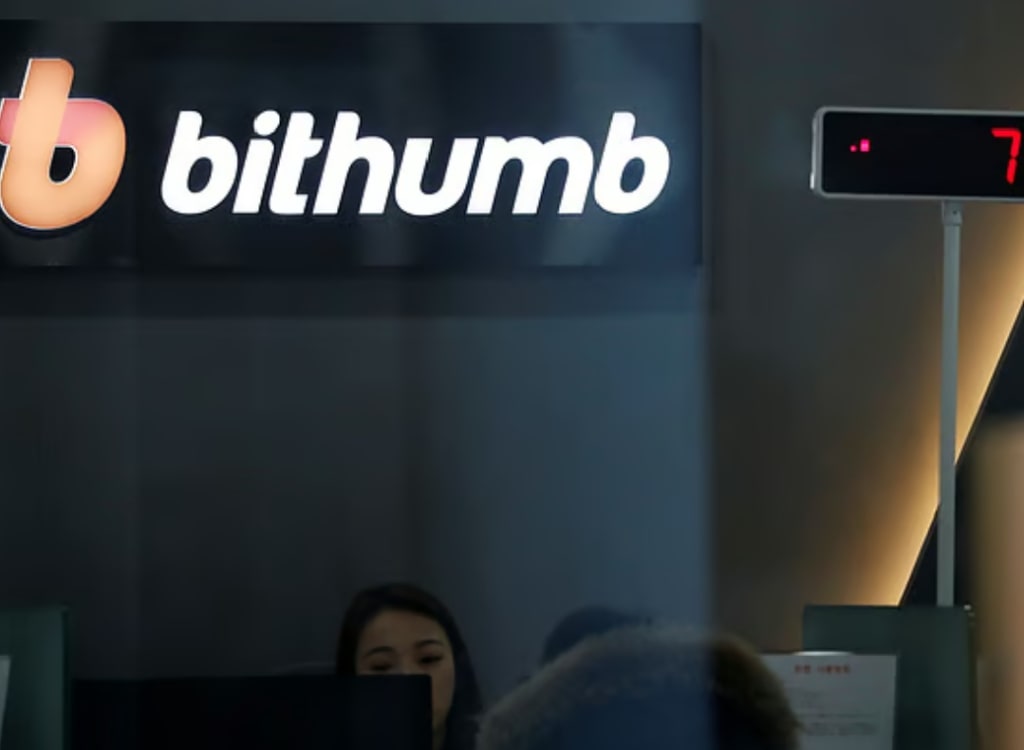
In one of the most dramatic digital finance mishaps in recent history, a South Korean cryptocurrency company accidentally sent roughly $44 billion worth of Bitcoin to users’ wallets due to a software glitch. The incident has shaken the crypto community, raised urgent questions about the safety of digital asset platforms, and highlighted the real risks of automated financial systems.
The story is a stark reminder that even in an industry built on cryptographic security and innovative technology, human error and system flaws can have massive economic consequences. As programmatic systems become more widespread, the lessons from this error could shape how exchanges, regulators, and investors approach risk and accountability.
What Happened? The Glitch Explained
The incident occurred during a system upgrade at the unnamed South Korean crypto firm (widely reported as a major exchange). According to preliminary reports, engineers were deploying an update to the platform’s payment algorithm — the software responsible for processing withdrawals and ledger balances.
Instead of transferring users’ actual Bitcoin balances, the system multiplied values incorrectly due to a coding error. Within minutes, thousands of users began seeing astronomical deposits appear in their wallets — sums far beyond what they should have had.
Instead of receiving a few Bitcoin, some accounts showed amounts worth millions or even tens of millions of dollars. In total, analysts estimate the erroneous outflows reached approximately $44 billion worth of Bitcoin at current market prices.
Because Bitcoin transactions are immutable (irreversible) once confirmed on the blockchain, the transfers could not simply be undone.
Company Response: Damage Control Begins
Once the error was noticed, the platform temporarily halted trading and suspended withdrawals to prevent further unusual activity. In an official notice, the company described what happened as a “critical internal malfunction” and apologized to users for the incident.
Executives said they were working urgently with cybersecurity specialists and legal advisors to identify which funds could be traced and potentially recovered. They also stated that they were cooperating with law enforcement and financial regulators.
However, the company was careful to emphasize that the glitch was not the result of a hack. Instead, it stemmed from faulty internal software logic — a fact that is being viewed by some industry experts as even more concerning.
Can the Bitcoin Be Recovered?
The biggest challenge in this scenario is the irreversible nature of blockchain transactions. Unlike traditional banking systems where transfers can sometimes be reversed, Bitcoin’s decentralized ledger does not allow for refunds after confirmation.
This means that once a user’s wallet receives the funds, retrieving them becomes legally and technically complex.
Some users — recognizing the mistake — voluntarily returned the excess Bitcoin after public pressure. Others, however, moved assets to private wallets or external exchanges, making tracking and recovery much more difficult.
Authorities can issue court orders demanding the return of the funds, but enforcement is complicated, especially when assets cross borders or enter anonymous wallets.
Market Reaction and Investor Concern
News of the glitch sent shockwaves through crypto markets and the broader financial media. Investors were alarmed not only by the sheer scale of the transfer but also by what the error revealed about internal controls at major digital asset firms.
In the hours after the incident became public, several cryptocurrencies experienced increased volatility, reflecting broader nervousness among traders and institutional investors.
Many Bitcoin holders also expressed concern online, questioning whether exchanges and platforms have robust risk management systems. Trust — which is already fragile in digital asset ecosystems — took an immediate hit.
Industry Experts Weigh In
Analysts and blockchain experts have described the event as a “wake‑up call” for the crypto industry.
Key issues they’ve raised include:
Inadequate Testing: The software update may not have undergone thorough quality assurance before deployment.
Automation Risks: Heavy reliance on automated systems without human safeguards created a scenario where errors could scale rapidly.
Lack of Insurance: Many platforms lack proper asset protection or insurance to cover catastrophic failures.
Regulatory Gaps: Inconsistent oversight around digital finance means these kinds of errors can go unchecked until they cause major damage.
One prominent crypto analyst remarked, “This isn’t just a technical bug — it’s a governance failure. Firms must invest in better testing and risk controls.”
Legal and Regulatory Implications
The incident has prompted swift responses from regulators, particularly in South Korea. Government officials reportedly plan to review existing rules for cryptocurrency platforms, with the possibility of stronger compliance requirements and security standards.
Some lawmakers are even suggesting that exchanges be held to rules similar to traditional financial institutions — including mandatory audits, minimum capital requirements, and operational safeguards.
Critics argue that without clearer regulation, the crypto sector is vulnerable to repeated errors that could pose systemic risks.
User Impact: Real People, Real Losses
For everyday users, the incident was a mix of surprise and anxiety. While some briefly saw massive balances in their accounts, others saw their actual holdings affected by account freezes or trading suspensions.
One user told reporters that they logged in expecting to check a small Bitcoin balance — only to see an impossible amount. “At first I thought it was a glitch in my dreams,” they said. “Then I realized it wasn’t supposed to be there. I didn’t know what to do.”
For users who unintentionally benefited, the ethical and legal dilemma was clear: keep the funds and face potential legal consequences, or return them and avoid trouble.
Lessons Learned and Future Outlook
This extraordinary $44 billion error is more than just a headline — it’s a moment that could reshape how the crypto world thinks about security, accountability, and operational risk.
Experts recommend several takeaways:
Stronger Pre‑Deployment Testing: All systems should go through rigorous testing before updates go live.
Human Oversight: Even automated systems need manual checks to prevent runaway errors.
Transparent Reporting: Platforms must communicate incidents quickly and accurately.
Regulatory Clarity: Governments should build frameworks that protect users and enforce baseline standards.
Whether this event will lead to lasting change remains to be seen. However, one thing is clear: the crypto industry has been reminded that innovation must be paired with responsibility.
Conclusion
The accidental transfer of $44 billion in Bitcoin due to a crypto glitch is one of the most unprecedented episodes in digital finance. It highlights the strengths and weaknesses of blockchain systems — immensely powerful technology paired with fragile operational structures.
For users, investors, and regulators alike, the incident underscores a central truth: as digital finance evolves, the need for safety, trust, and accountability grows even more critical.
This event will likely be studied for years to come — not just for its scale, but for what it reveals about the future direction of cryptocurrencies and the systems that support them.
About the Creator
Why Black History Matters in America?
The United States of America is celebrating their 250th anniversary in 2026. I'm proud to be an American and as someone who was born here, I wouldn't imagine myself living anywhere else. This is a country where opportunities are possible. Where anyone can be successful in anything they desire to do. Equality, community, and togetherness are the backbones of what America is and should be about. However, we have an administration who wants to erase and disregard those who have made positive, meaningful impacts in our country, specifically Black figures, such as Martin Luther King, Jr., Rosa Parks, and Maya Angelou. President Trump and his administration have been constantly complaining and fighting against what they call the "Woke agenda". They use this excuse as a distraction from other issues they refuse to address, such as the high cost of living, climate change, and inflation. That equality is dividing America, when in reality, it's bringing us together. Being woke is not tied to a specific political party. No matter where you stand on the political spectrum, you can still care about other people and their plights. Compassion and empathy for others isn't tied to a political party, either. We were taught as children to treat others the way we want to be treated and not judge others because they're different from us. Caring about others isn't a personal attack on your beliefs. It doesn't make you any less of a person. People who are easily offended over African American figures, past or present, or anything related to it, are grasping at straws. Current and future generations need to know who people like Harriet Tubman and Shirley Chisholm were, especially in the classroom. Black History is part of American History. It should be recognized, not hidden or forgotten. Besides, you can't shield children from everything, just because your feelings are easily hurt.
By Mark Wesley Pritchard 8 days ago in The Swamp
Deadly Islamabad Bombing Sharpens Focus on Cross-Border Attacks in Pakistan
On the night of March 21, 2026, the capital city of Islamabad was rocked by a devastating bombing that left dozens dead and hundreds injured. The attack, believed to be a part of an escalating campaign of cross-border terrorism, has sent shockwaves through the nation and raised serious questions about Pakistan's security apparatus. It has also highlighted the growing threat posed by insurgents operating across Pakistan’s porous borders with Afghanistan and India, countries that have long been central to the geopolitical challenges facing the region. This bombing has sparked renewed focus on how Pakistan should handle the rise of cross-border terrorism and what steps need to be taken to combat the increasing threats to its internal security.
By Ayesha Lashari3 days ago in The Swamp



Comments
There are no comments for this story
Be the first to respond and start the conversation.