
Citizens of These 10 Countries Can Hold Dual Citizenship with Canada
What It Means, Who Qualifies, and Why Dual Citizenship Is Becoming More Popular Than Ever

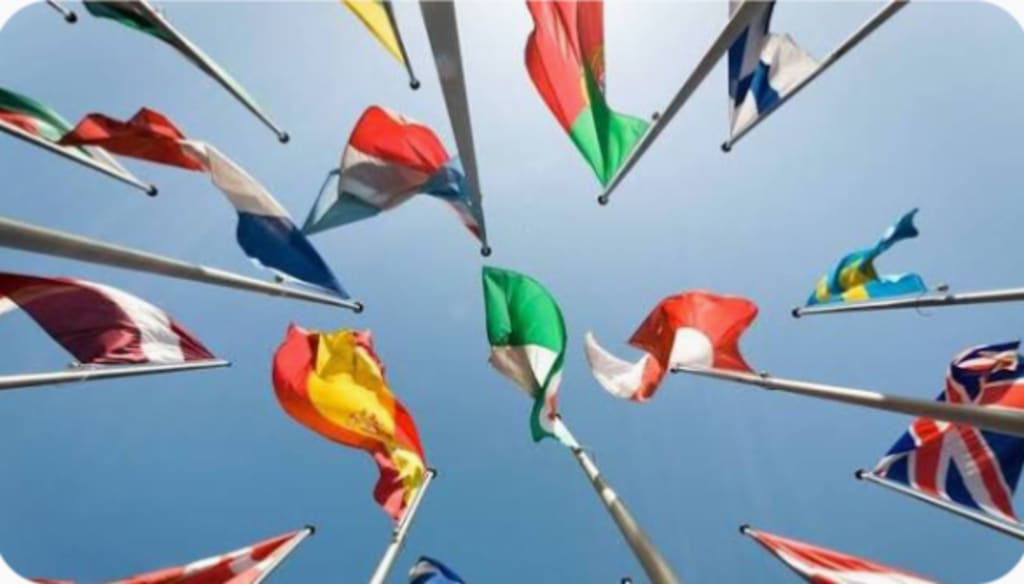
In an increasingly globalized world, holding citizenship in more than one country is no longer unusual. Dual citizenship allows individuals to enjoy the rights and privileges of two nations—such as the ability to live, work, vote, and travel freely in both. Canada is one of the countries that fully recognizes and permits dual citizenship, making it an attractive destination for immigrants who wish to retain ties to their homeland.
However, not every country allows its citizens to hold another nationality. Some governments require individuals to renounce their original citizenship when they become Canadian, while others explicitly permit dual status. For people considering Canadian citizenship, knowing which countries allow dual nationality is crucial.
Here are 10 countries whose citizens can legally hold dual citizenship with Canada, along with what that means in practical terms.
🇬🇧 1. United Kingdom
The United Kingdom allows dual citizenship without restrictions. British citizens can become Canadian citizens while keeping their UK passport. This arrangement is popular among professionals, students, and families who split time between both countries.
Dual UK-Canadian citizens enjoy access to two strong passport systems and broad mobility across Europe and North America. There is no requirement to notify UK authorities when acquiring Canadian citizenship, making the process straightforward.
🇫🇷 2. France
France permits multiple citizenships and does not require renunciation of French nationality when becoming Canadian. Many French immigrants in Canada take advantage of this flexibility, particularly those working in education, business, or technology sectors.
French-Canadian dual citizens retain full rights in both countries, including voting and social benefits, provided they meet residency requirements.
🇦🇺 3. Australia
Australia allows its citizens to hold more than one nationality. Australians who become Canadian citizens can keep their Australian passport and rights without penalty.
This dual status is especially popular among young professionals and families who migrate for career opportunities or quality of life while maintaining strong ties to Australia.
🇮🇹 4. Italy
Italy recognizes dual citizenship and even allows citizenship by descent (jus sanguinis), making it one of the most flexible systems in the world. Italians who acquire Canadian citizenship can retain their Italian nationality without any legal conflict.
Italian-Canadian dual citizens can live and work freely in both Canada and the European Union, offering broad mobility and economic advantages.
🇩🇪 5. Germany (with conditions)
Germany traditionally restricted dual citizenship, but recent reforms have made it easier for Germans to hold multiple nationalities. Many Germans can now keep their German citizenship when naturalizing in Canada, especially under newer nationality laws.
This change has significantly increased interest among German residents in Canada seeking citizenship without giving up their EU status.
🇵🇭 6. Philippines
The Philippines allows dual citizenship under its Citizenship Retention and Re-acquisition Act. Filipino citizens who become Canadian can retain or reclaim their Philippine nationality through a formal process.
This is especially important for families who wish to maintain property ownership, inheritance rights, and business opportunities in both countries.
🇮🇳 7. India (special status)
India does not technically allow dual citizenship, but it offers an alternative known as the Overseas Citizen of India (OCI) status. Indians who become Canadian citizens must renounce Indian citizenship but can apply for OCI, which grants long-term residency and many rights in India.
While not full dual citizenship, this arrangement allows close economic and social ties between India and Canada.
🇵🇰 8. Pakistan
Pakistan permits dual citizenship with certain countries, including Canada. Pakistani nationals who acquire Canadian citizenship can retain their Pakistani nationality, provided they follow the registration procedures.
This dual status allows individuals to travel freely between the two countries and maintain legal rights in both jurisdictions.
🇺🇸 9. United States
The United States allows dual citizenship, even though it does not actively encourage it. Americans can become Canadian citizens without losing their U.S. nationality, and many Canadians also hold U.S. citizenship.
However, U.S. dual citizens must still file U.S. tax returns and follow American legal obligations regardless of where they live, making this one of the more complex dual citizenship arrangements.
🇮🇪 10. Ireland
Ireland fully permits dual citizenship and has one of the most open nationality systems in Europe. Irish citizens can become Canadian while keeping their Irish passport.
This provides access to both Canada and the European Union, which is highly appealing for people seeking mobility and economic opportunities.
🌍 Why Dual Citizenship with Canada Is So Attractive
Canada’s citizenship laws are among the most welcoming in the world. Canadian citizens enjoy:
Visa-free or visa-on-arrival access to over 180 countries
Universal healthcare (with residency requirements)
Strong legal protections and democratic rights
Access to high-quality education and employment
Holding dual citizenship also means individuals do not have to choose between their heritage and their future. They can maintain family ties, property rights, and cultural identity while gaining the benefits of Canadian nationality.
⚠️ Important Things to Consider
While dual citizenship offers many advantages, it also comes with responsibilities:
Tax obligations: Some countries, like the U.S., tax citizens regardless of where they live.
Military service: Certain nations still require mandatory service.
Legal conflicts: In rare cases, laws of one country may override protections from the other.
Travel restrictions: Dual citizens may be required to enter or exit certain countries using specific passports.
It’s always wise to consult official immigration authorities or legal professionals before applying for citizenship in another country.
🧭 Laws Can Change
Citizenship laws are not static. Political shifts, security concerns, and international agreements can change policies over time. What is allowed today may be modified tomorrow. Anyone considering dual citizenship should verify the current rules with both Canada and their home country.
✨ Final Thoughts
Dual citizenship with Canada opens doors to opportunity, stability, and global mobility. Citizens of countries like the United Kingdom, France, Australia, Italy, the United States, and others can enjoy the best of both worlds—keeping their original nationality while embracing life as a Canadian.
For millions of immigrants, dual citizenship is more than a legal status. It is a bridge between cultures, families, and futures. In a world where borders matter less and connections matter more, holding two passports has become a symbol of modern global identity.
As Canada continues to welcome newcomers from around the world, dual citizenship remains one of its most powerful tools for building a diverse, connected, and thriving society.
About the Creator
Sajida Sikandar
Hi, I’m Sajida Sikandar, a passionate blogger with 3 years of experience in crafting engaging and insightful content. Join me as I share my thoughts, stories, and ideas on a variety of topics that matter to you.
Keep reading
More stories from Sajida Sikandar and writers in The Swamp and other communities.
Silver (XAG) Forecast: Will the Market Reverse After Dropping to $64.06?
Silver has always been more than just a shiny metal. Beyond its use in jewelry and electronics, it serves as a key financial asset, a hedge against uncertainty, and a barometer of market sentiment. Recently, silver’s price has captured the attention of investors around the world. On February 5, 2026, the white metal dipped to $64.06 per ounce, marking one of the lowest points in months. But this drop might not be the end of the story—it could actually signal the start of a reversal pattern that sets the stage for the next market move.
By Sajida Sikandara day ago in The Swamp
Why Black History Matters in America?
The United States of America is celebrating their 250th anniversary in 2026. I'm proud to be an American and as someone who was born here, I wouldn't imagine myself living anywhere else. This is a country where opportunities are possible. Where anyone can be successful in anything they desire to do. Equality, community, and togetherness are the backbones of what America is and should be about. However, we have an administration who wants to erase and disregard those who have made positive, meaningful impacts in our country, specifically Black figures, such as Martin Luther King, Jr., Rosa Parks, and Maya Angelou. President Trump and his administration have been constantly complaining and fighting against what they call the "Woke agenda". They use this excuse as a distraction from other issues they refuse to address, such as the high cost of living, climate change, and inflation. That equality is dividing America, when in reality, it's bringing us together. Being woke is not tied to a specific political party. No matter where you stand on the political spectrum, you can still care about other people and their plights. Compassion and empathy for others isn't tied to a political party, either. We were taught as children to treat others the way we want to be treated and not judge others because they're different from us. Caring about others isn't a personal attack on your beliefs. It doesn't make you any less of a person. People who are easily offended over African American figures, past or present, or anything related to it, are grasping at straws. Current and future generations need to know who people like Harriet Tubman and Shirley Chisholm were, especially in the classroom. Black History is part of American History. It should be recognized, not hidden or forgotten. Besides, you can't shield children from everything, just because your feelings are easily hurt.
By Mark Wesley Pritchard 7 days ago in The Swamp




Comments
There are no comments for this story
Be the first to respond and start the conversation.