
Chinese Buyers and Sellers Expect Gold Rush to Continue Despite Record Prices
Strong cultural demand, safe‑haven investing, and robust institutional interest keep China’s gold market thriving despite record-high prices

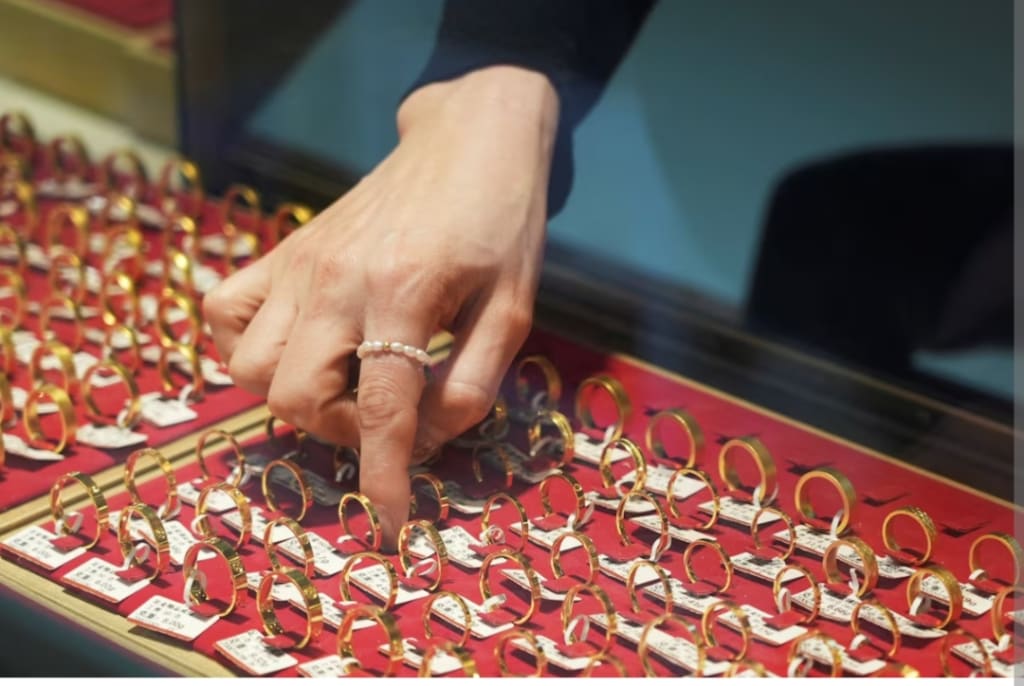
Strong cultural demand, safe‑haven investing, and rising speculation keep China’s gold market hot even as global prices hit new highs
Despite gold prices reaching unprecedented levels, Chinese buyers and sellers remain confident that the ongoing gold rush will continue well into 2026, shrugging off concerns that record highs might dampen enthusiasm. In both Shanghai and Hong Kong, bullion shops are buzzing with activity, with long queues forming outside outlets as consumers and investors buy, sell, or trade gold — a clear sign that demand remains robust even in the face of sky‑high prices.
Gold recently surpassed $5,100 per ounce after a 62 % surge in 2025, driven by multiple global factors including central bank purchases, safe‑haven demand, and currency market volatility.
Cultural and Long‑Term Buying Trends
Chinese consumers have a long‑standing affinity for gold, viewing it not just as jewellery but as a store of value and generational wealth. According to sellers at jewellery malls in Shanghai, this cultural connection means gold remains attractive even when prices are at all‑time highs. One gold merchant, Zhao Jinhao, noted that gold demand continues to rise because “gold awareness is a long‑term trend and it’s still heading upwards,” highlighting how buying patterns reflect decades of consumer behaviour.
A 68‑year‑old Shanghai resident, Wang Qiuqin, echoed this sentiment, saying the dramatic rise in prices persuaded her to make a purchase despite cost concerns. “If this keeps up, gold is still likely to go higher,” she said, adding that she could mentally accept the current high price and chose to buy now rather than wait.
Strong Retail and Investment Demand
While gold’s rising price has dampened some wholesale jewellery demand — China’s wholesale gold demand fell by about 11 % last year due to higher prices and changes in jewellery taxes — retail interest for gold bars, coins, and investment‑style products remains strong.
In Hong Kong, dozens of people queued for hours outside gold shops like the Chong Kee gold store, weighing everything from old bracelets to small bars. Many older residents chose to sell heirloom gold items to cash in on the record prices, illustrating how high valuations are influencing both buying and selling behaviours.
Broader Market Forces at Play
Analysts say that several global drivers underpin gold’s remarkable rally and China’s ongoing appetite for bullion:
Safe‑Haven Demand: With geopolitical tensions, economic uncertainty, and ongoing market volatility, gold’s appeal as a safe‑haven asset has surged. Investors increasingly seek protection against financial risks, driving demand globally and in China specifically.
Central Bank Buying: The People’s Bank of China (PBoC) has been buying gold monthly, adding to its reserves and signalling confidence in gold’s role as a hedge against currency risk — particularly against reliance on the US dollar.
Price Forecasts: Financial analysts, including those at Societe Generale, predict gold could reach $6,000 per ounce by the end of the year, a forecast they consider conservative given the trend’s strength.
Supply Constraints and Market Pressure
Despite strong demand, the supply of smaller gold bars — popular among individual investors — has struggled to keep up. Precious metals refineries around the world are rushing to increase production, but limited availability has led to temporary shortages in some retail markets.
Some industry professionals interviewed in the region described current demand and supply dynamics as among the strongest they’ve seen in decades, with 2026 shaping up as an exceptionally busy year for gold trading.
Why Chinese Buyers Remain Unfazed
Several underlying reasons help explain why Chinese buyers and sellers remain undeterred by record prices:
Wealth Preservation: In times of economic uncertainty or volatility in other asset classes like stocks and real estate, gold is viewed as a reliable store of value. Many Chinese investors use gold to protect wealth rather than to speculate on short‑term gains.
Cultural Significance: Gold holds deep cultural value in China, often tied to tradition, weddings, and gift giving, which sustains steady consumer demand.
Growing ETF and Institutional Demand: Chinese demand is not limited to physical retail purchases. Gold‑backed exchange‑traded funds (ETFs) have seen significant inflows, with Chinese ETFs experiencing record asset growth, indicating strong institutional interest alongside retail buying.
Challenges and Price Sensitivity
Although overall sentiment remains bullish, higher prices have impacted some segments of the market:
Jewellery demand has dipped as prices rise and taxes affect affordability.
Some buyers may become more cautious if prices accelerate too rapidly, especially among younger or budget‑constrained consumers.
Still, the prevailing mood remains positive, with many market participants believing that the broader gold rally is far from over.
Looking Ahead
The ongoing gold rush in China reflects both market sentiment and deeper economic trends. As global uncertainties persist — including geopolitical tensions and currency volatility — gold’s role as a safe‑haven and wealth preservation tool appears to be growing in importance. With central bank accumulation, strong retail demand, and price momentum all pointing upward, experts and everyday buyers alike expect the gold boom to continue, even as prices scale new heights.
In a world where economic stability feels uncertain, China’s enduring appetite for gold underscores the precious metal’s timeless appeal — not merely as an investment but as a cornerstone of financial confidence and cultural heritage.
About the Creator
Keep reading
More stories from Salaar Jamali and writers in The Swamp and other communities.
‘Iconic’ Willis Building to Become Halo’s Global HQ
The Willis Building, one of the most recognizable landmarks in the UK’s commercial architecture, is set to become the global headquarters for Halo, a leading technology and creative solutions company. The move marks a significant milestone for both the building and the rapidly growing company, symbolizing innovation, design excellence, and global ambition.
By Aarif Lashari7 days ago in The Swamp
Is Microsoft Down? Recovery for Widespread Outlook and Teams Outage Is Underway
A widespread Microsoft outage disrupted millions of users worldwide after key services including Outlook, Microsoft Teams, and other Microsoft 365 tools became partially or fully inaccessible. The disruption sparked confusion across businesses, schools, and public institutions that rely heavily on Microsoft’s cloud-based ecosystem for daily operations.
By Aarif Lashari4 days ago in The Swamp
The Path to Salvation
The late autumn evening air filled the monk's lungs, but it wasn't the season that chilled his bones. The heavy-handed presence of evil he had sensed upon entering the woods surrounding this mountain village had not bothered to conceal itself from him.
By Made in DNA6 days ago in Fiction




Comments
There are no comments for this story
Be the first to respond and start the conversation.