
China Imposes Sanctions on U.S. Defense Firms Over Taiwan Arms Deal
Beijing’s latest sanctions signal rising tensions over Taiwan and deepen the U.S.–China geopolitical divide

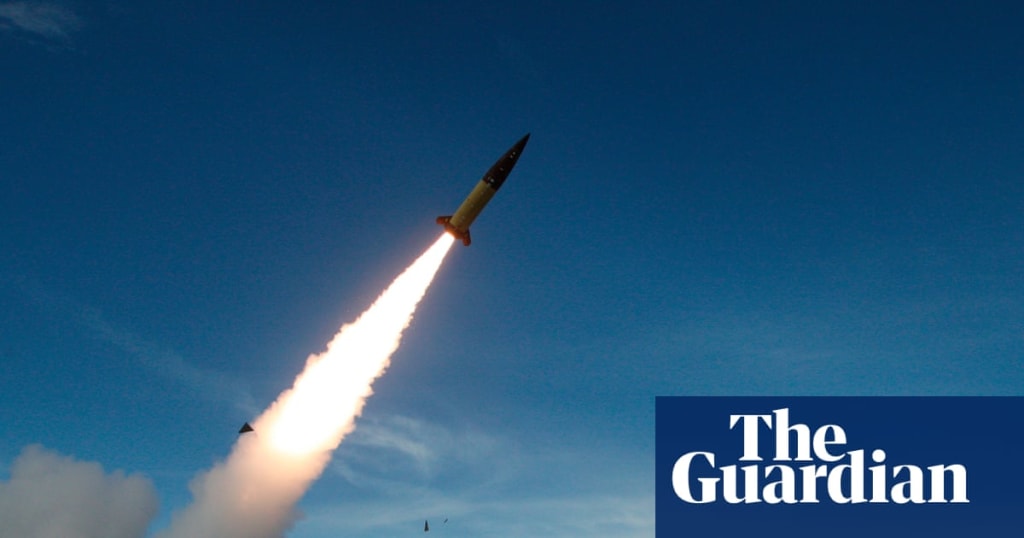
China has imposed fresh sanctions on several United States defense companies in response to Washington’s latest arms sales to Taiwan, escalating tensions in an already fragile geopolitical relationship. The move underscores Beijing’s growing frustration with what it sees as repeated violations of its sovereignty and a challenge to its long-standing “One China” principle. As military cooperation between the U.S. and Taiwan deepens, China’s response signals that economic and diplomatic pressure will remain a central part of its strategy.
The sanctions were announced shortly after the U.S. approved a new arms package for Taiwan, reportedly including advanced missile systems, radar technology, and military support services. For Beijing, such deals cross a red line. China considers Taiwan a breakaway province and has consistently opposed any form of foreign military assistance to the island. The Chinese government argues that U.S. arms sales embolden pro-independence forces in Taiwan and undermine regional stability.
What the Sanctions Mean
China’s sanctions target U.S. defense firms directly involved in producing or supplying weapons to Taiwan. These measures typically include bans on business operations within China, freezing of assets, and restrictions on travel for senior executives. While such penalties may not immediately cripple large U.S. defense contractors, they carry symbolic and strategic weight.
Many American defense firms rely less on the Chinese market than companies in other sectors, limiting the immediate economic impact. However, analysts suggest the sanctions serve as a warning—to corporations, governments, and allies—that Beijing is prepared to respond forcefully when it perceives threats to its core interests.
The move also reflects China’s broader effort to use economic leverage as a diplomatic tool. Over the past decade, Beijing has increasingly turned to sanctions, trade restrictions, and regulatory pressure to influence foreign policy behavior, especially in disputes involving sovereignty, technology, and national security.
U.S. Position and Strategic Intent
The United States maintains that its arms sales to Taiwan are consistent with the Taiwan Relations Act, which obliges Washington to help Taiwan maintain a sufficient self-defense capability. U.S. officials argue that these weapons are defensive in nature and are intended to deter aggression rather than provoke conflict.
From Washington’s perspective, supporting Taiwan is not only about regional security but also about upholding democratic values. Taiwan is a self-governing democracy, and U.S. policymakers increasingly frame their support as part of a broader commitment to counter authoritarian influence in the Indo-Pacific region.
This framing, however, further irritates Beijing, which views the issue strictly through the lens of territorial integrity rather than ideology.
Rising Tensions Over Taiwan
The sanctions come at a time of heightened military activity around Taiwan. China has increased air and naval patrols near the island, while Taiwan has stepped up its defense preparedness. Military exercises, diplomatic visits, and arms deals have collectively raised fears that miscalculation could trigger a wider conflict.
Experts warn that sanctions and counter-sanctions, while short of military action, contribute to an atmosphere of distrust. Each side seeks to demonstrate resolve, but the risk lies in normalizing escalation. Economic and political measures may be safer than missiles, yet they can still entrench positions and reduce room for dialogue.
Impact on Global Defense and Trade
China’s action also has implications beyond U.S.-China relations. Defense firms worldwide are closely watching how geopolitical tensions affect supply chains, partnerships, and market access. As global defense spending rises, companies are increasingly navigating a fragmented world where political alignment matters as much as technology.
The sanctions highlight a growing divide between major powers, with defense industries becoming instruments of diplomacy. Countries purchasing military equipment may also face pressure to choose sides, complicating international arms markets and alliances.
What Comes Next?
While China’s sanctions are unlikely to stop U.S. arms sales to Taiwan, they reinforce Beijing’s message that the issue is non-negotiable. Diplomatic channels between Washington and Beijing remain open, but trust is limited, and Taiwan remains one of the most sensitive flashpoints in global politics.
For now, both sides appear determined to stand their ground. China continues to apply pressure through economic and diplomatic means, while the U.S. signals ongoing support for Taiwan’s defense. The challenge for the international community will be managing these tensions without allowing them to spiral into direct confrontation.
Conclusion
China’s sanctions on U.S. defense firms over Taiwan arms deals reflect a deeper struggle over power, sovereignty, and influence in the 21st century. While the immediate impact may be symbolic, the broader message is clear: Taiwan remains at the heart of U.S.-China rivalry. As sanctions replace diplomacy and deterrence replaces dialogue, the stakes continue to rise—not just for the region, but for global stability as well.
About the Creator
Fiaz Ahmed Brohi
I am a passionate writer with a love for exploring and creating content on trending topics. Always curious, always sharing stories that engage and inspire.
Keep reading
More stories from Fiaz Ahmed Brohi and writers in The Swamp and other communities.
‘All Brakes Are Off’: Russia’s Attempt to Rein In Illicit Market for Leaked Data Backfires
In an ironic twist, Russia’s efforts to curb the flourishing black market for leaked and stolen data appear to have backfired, according to cybersecurity analysts and investigative reports. Over the past year, Moscow has rolled out legislation aimed at regulating and restricting access to sensitive data, hoping to stem the flow of leaked information and control its spread online. Instead, the measures have unintentionally accelerated the growth of underground digital marketplaces, making illicit data trade more opaque and harder to track.
By Fiaz Ahmed Brohi25 days ago in The Swamp
Wild Card Weekend Recap: What Happens Now?
I think I figured out why I love Wild Card Weekend so much. It's because it's the first playoff anything of the calendar year. The NFL season starts in the fall, and once upon a time, the champion was crowned either on or slightly before New Year's. The evolution of the NFL schedule has resulted in the playoffs starting just into the New Year, and currently, the final week of the season falls on the first weekend of the New Year, with Wild Card Weekend coming a week after that. So yes, chronologically, the NFL's Wild Card Weekend serves as the first playoff anything of the calendar year.
By Clyde E. Dawkins7 days ago in Unbalanced




Comments
There are no comments for this story
Be the first to respond and start the conversation.