
China Fires Rockets Towards Taiwan in War Games Simulating Blockade
Beijing’s latest military drills signal rising tensions and rehearse tactics that could isolate the self-ruled island

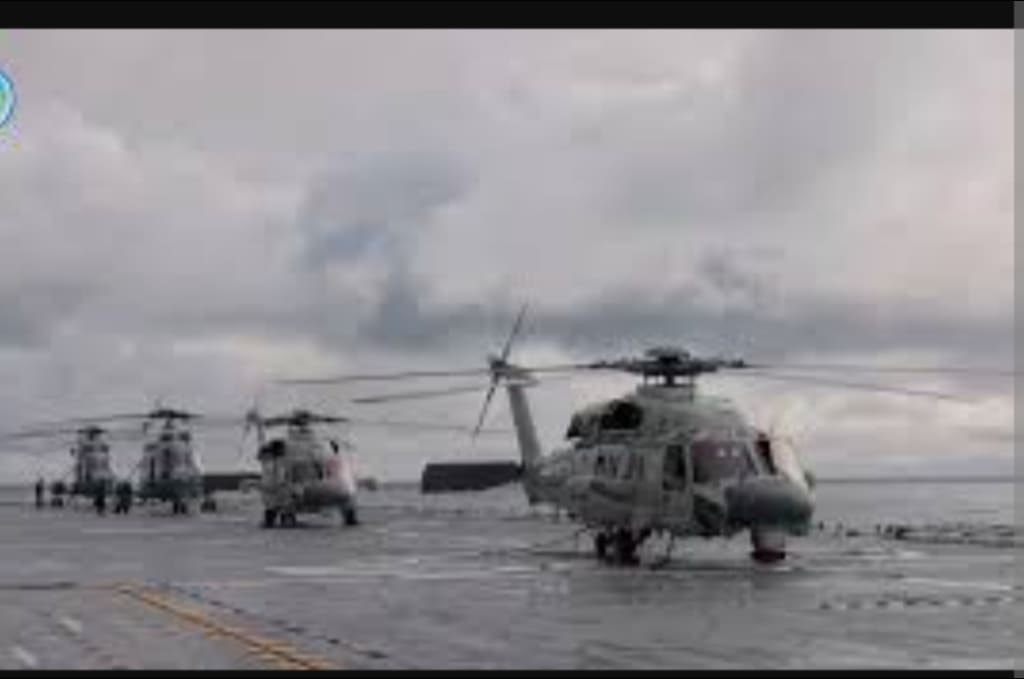
A Show of Force That Heightens Cross-Strait Tensions
China has significantly escalated military pressure on Taiwan by firing rockets toward the island during large-scale war games designed to simulate a full blockade. The drills, described by Beijing as routine military exercises, represent one of the most serious demonstrations of force in recent years and underline growing tensions in the Taiwan Strait. For Taiwan, its allies, and the wider international community, these actions raise serious concerns about regional stability and the risk of miscalculation.
What Happened During the War Games?
The People’s Liberation Army (PLA) conducted multi-day military exercises around Taiwan, involving live-fire rocket launches, naval patrols, and coordinated air operations. Rockets were fired into waters north and south of the island, while Chinese warships and aircraft practiced encirclement maneuvers aimed at isolating Taiwan from external support.
According to Chinese military officials, the drills focused on joint operations between the navy, air force, rocket forces, and ground units. These exercises reportedly included anti-submarine warfare, precision strike simulations, and amphibious assault coordination — all essential components of a potential blockade scenario.
The scale of the drills stood out. Multiple restricted air and sea zones were declared around Taiwan, forcing commercial airlines and shipping traffic to reroute. This demonstrated how quickly military activity in the region can disrupt civilian transportation and global trade routes.
Why Is China Simulating a Blockade?
China views Taiwan as part of its territory and has never ruled out the use of force to achieve reunification. A blockade is widely considered one of Beijing’s most likely military strategies, as it could pressure Taiwan economically and psychologically without immediately launching a full invasion.
By rehearsing blockade tactics, China is signaling its capability to cut off Taiwan’s key ports, energy supplies, and trade links. Taiwan relies heavily on maritime trade for food, fuel, and industrial components, making any sustained blockade a serious threat to the island’s economy and daily life.
The exercises also carry a strong political message. They took place shortly after renewed international support for Taiwan, including military cooperation and arms sales from the United States. Beijing frequently responds to such developments with military demonstrations aimed at deterring what it calls “foreign interference.”
Taiwan’s Response: Vigilant but Restrained
Taiwan’s government condemned the drills as provocative and destabilizing, while emphasizing that it does not seek conflict. The Ministry of National Defense confirmed that Taiwan’s armed forces were placed on heightened alert throughout the exercises, closely monitoring Chinese aircraft and naval movements.
Officials reported that debris from some rocket launches landed within Taiwan’s contiguous zone, further raising alarm among defense planners. Despite this, Taipei maintained a measured response, avoiding actions that could escalate the situation.
Taiwan continues to focus on strengthening its defensive capabilities, particularly in areas such as air defense, missile interception, and maritime surveillance. The island’s strategy centers on deterrence — making any potential military action by China costly and uncertain.
Implications for the Region and the World
The Taiwan Strait is one of the most strategically important waterways in the world. A significant portion of global trade, including energy supplies and advanced semiconductor shipments, passes through the region. Even simulated blockades highlight how vulnerable global supply chains are to geopolitical tensions.
During the exercises, some airlines altered flight paths and shipping companies monitored the situation closely. These disruptions, although temporary, serve as a reminder that a real crisis could have immediate economic consequences far beyond East Asia.
Regional neighbors, including Japan and the Philippines, are also watching developments closely. Any conflict involving Taiwan could quickly draw in other powers, given existing security alliances and overlapping territorial concerns in the Indo-Pacific.
Military Signaling and Modernization
From China’s perspective, the war games serve multiple objectives. They demonstrate advancements in military technology, coordination, and readiness while reinforcing domestic narratives about sovereignty and national unity. The inclusion of modern rocket systems and joint-force operations highlights the PLA’s ongoing modernization efforts.
At the same time, analysts caution that large-scale exercises do not necessarily translate into guaranteed success in real combat. Maintaining a blockade would require sustained logistics, coordination, and political resolve — all under intense international scrutiny and possible countermeasures.
A Dangerous Balance
China’s decision to fire rockets toward Taiwan during blockade-focused war games marks a clear escalation in cross-strait tensions. While no direct confrontation occurred, the exercises underscore how fragile peace in the region has become.
For now, all sides appear intent on avoiding outright conflict. However, as military activities grow more frequent and complex, the margin for error continues to shrink. The situation around Taiwan remains one of the most sensitive and closely watched flashpoints in global politics — where strategy, diplomacy, and restraint will play a decisive role in shaping the future.
About the Creator
Asad Ali
I'm Asad Ali, a passionate blogger with 3 years of experience creating engaging and informative content across various niches. I specialize in crafting SEO-friendly articles that drive traffic and deliver value to readers.
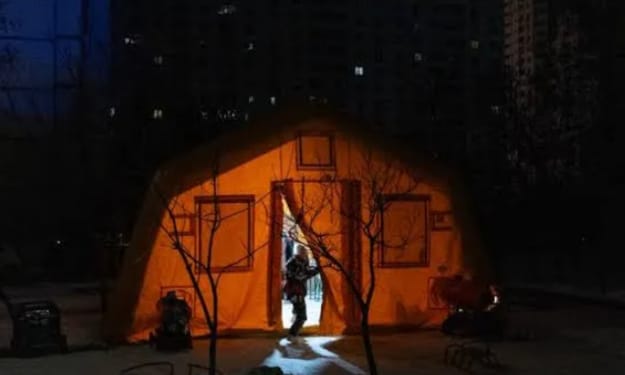
“We hope they will give us heat”: Bitter winter cold bites for Kyiv’s residents as Russia steps up attacks
Winter in Kyiv has never been kind, but this season carries a sharper edge. As icy winds sweep through the streets and snow settles on damaged rooftops, the cold is no longer just a feature of the weather—it is a constant reminder of a war that shows no sign of easing. With Russia stepping up attacks on critical infrastructure, Kyiv’s residents are enduring long power outages, unreliable heating, and an exhausting routine of adaptation and survival.
By Aqib Hussain7 days ago in The Swamp



Comments
There are no comments for this story
Be the first to respond and start the conversation.