
Carvana Stock Drops 9% as Gotham City Alleges $1B Accounting Gap — What Investors Need to Know
“Alleged $1 Billion Accounting Gap Sparks 9% Stock Drop — What Investors Need to Know About Carvana’s Financial Controversy”

Carvana, the online used-car retailer that once seemed unstoppable, saw its stock drop 9% this week after Gotham City Research, a well-known short-selling firm, alleged a massive accounting gap of $1 billion. The report sent shockwaves through investor circles and reignited questions about the company’s finances, governance, and long-term prospects.
Here’s a clear breakdown of what happened, why the market reacted so sharply, and what it means for Carvana and investors.
What Happened: A Sudden Stock Plunge
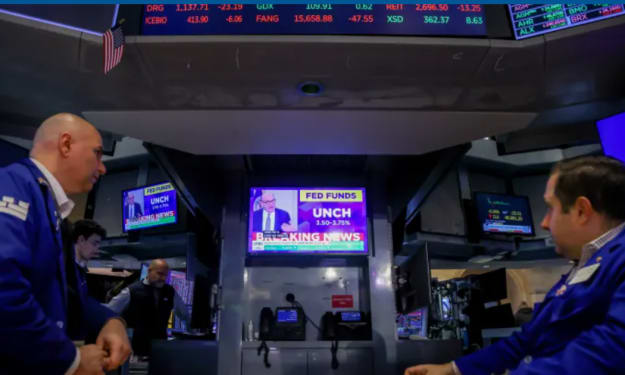
On January 28, 2026, Carvana’s shares fell roughly 9% after Gotham City published its report alleging that the company may have overstated earnings by more than $1 billion from 2023 to 2024. The firm claimed that Carvana used related-party transactions and accounting methods that may have made profits look higher than they really were.
For a company that had recently enjoyed a strong rally — including an S&P 500 inclusion — the news was a jolt. The stock drop reflects investor concern over transparency and credibility, especially given Carvana’s history of volatility.
Who Is Gotham City Research?
Gotham City Research is a short-selling research firm known for uncovering potential overvaluations or accounting irregularities in public companies. Their business model profits from declining stock prices, but their reports often uncover genuine financial red flags that investors take seriously.
In Carvana’s case, Gotham City highlighted the company’s relationships with related entities like DriveTime and Bridgecrest, which are closely tied to Carvana executives. According to the report, these relationships could have been used to inflate earnings and manipulate cash flows.
Breaking Down the Allegations
Here’s a simple explanation of the key claims in the Gotham City report:
Earnings Overstatement: Allegedly, Carvana’s reported profits may be inflated by over $1 billion.
Related-Party Deals: Transactions with related entities may have masked real financial performance.
Cash Flow and Debt Concerns: DriveTime, a related entity, reportedly carries heavy debt and burned through cash, complicating the overall picture.
Potential Restatements: Gotham City predicts that Carvana may have to restate previous financial results or delay filings, which could trigger further scrutiny.
Put together, the report suggests that Carvana’s financial statements may not fully reflect the health of the business, sparking investor uncertainty.
Carvana’s Response
As of now, Carvana has not issued a full rebuttal to Gotham City’s claims. Historically, the company has dismissed similar short-seller allegations as misleading. However, this report’s scale — a $1 billion accounting gap — makes the need for clarification urgent.
The lack of immediate, detailed communication has added to market volatility, as investors try to assess how much of Carvana’s growth is real versus potentially overstated.
Market Reaction: Volatility Returns
The initial 9% drop in Carvana stock could be just the beginning. Other reports indicated intraday declines of up to 14% depending on market sentiment. This reflects how sensitive investors are to questions about transparency, governance, and accounting practices — particularly for companies that have had explosive growth in recent years.
Carvana’s previous highs and S&P 500 inclusion made this drop especially dramatic. Once seen as a tech-forward disruptor, the company now faces scrutiny not only from investors but also potentially from regulators.
Legal and Regulatory Implications
Shortly after the report, law firms like BFA Law launched investigations into whether Carvana’s financial reporting violated federal securities laws. Class-action lawsuits are common after sharp stock drops linked to accounting allegations.
If proven, legal consequences could include financial settlements, increased regulatory oversight, and even management shake-ups, further impacting the stock and the company’s reputation.
Why This Matters Beyond Carvana
Even if you’re not invested in Carvana, this story highlights broader lessons for the market:
Transparency is key: Investors increasingly demand clear, accurate reporting, especially from companies with complex operations.
Short-sellers influence markets: Gotham City’s report shows how research firms can sway stock prices and shape market narratives.
Valuation vs. fundamentals: Rapid growth alone isn’t enough — a company must demonstrate sustainable, verifiable financial health.
These lessons remind investors that high-growth companies can be exciting, but they also carry risks if their finances aren’t clear.
What Investors Should Watch Next
If you’re following Carvana, here’s what matters most:
Official Response: Watch for Carvana’s full statement or clarification.
Financial Filings: Any restatements or delayed filings will be critical signals.
Regulatory Actions: Lawsuits or SEC inquiries could have long-term implications.
Stock Momentum: Future price action will indicate whether confidence in Carvana has truly eroded or if this is a temporary shake-up.
Monitoring these factors will help investors make informed decisions and understand the bigger picture.
Final Thoughts
Carvana’s recent stock drop highlights the importance of trust, transparency, and financial clarity in today’s markets. While Gotham City’s report is only one perspective, the size of the alleged accounting gap has investors paying attention.
Whether Carvana can respond effectively and restore confidence will determine not just its stock price but also how much investors trust online auto retailers in the years to come. For now, the lesson is clear: high growth is exciting, but credibility is priceless.
About the Creator
Drone Hits Container Ship Aurelia After Departure From Novorossiysk
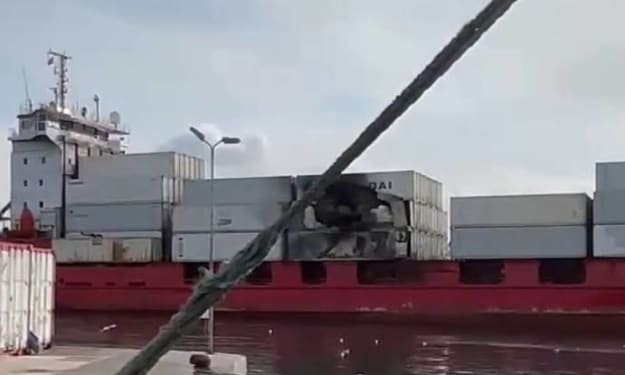
A container ship, the Aurelia, was reportedly struck by a drone shortly after departing from the Russian port of Novorossiysk, raising concerns about maritime security and regional tensions. The incident, confirmed by shipping authorities, highlights the growing risk of unmanned aerial threats to commercial shipping in busy international waters. Officials say the ship sustained minor damage, and no crew members were injured, but the event underscores the increasing use of drones in conflict zones and strategic maritime routes. The Incident According to initial reports, the Aurelia was departing Novorossiysk, a key port on the Black Sea, when it was hit by a small, unmanned aerial vehicle (drone). The vessel, which carries containerized cargo to various international destinations, was immediately checked for structural damage, and standard safety protocols were followed. The Russian authorities have launched an investigation to determine the type of drone involved, its origin, and whether the attack was targeted or accidental. Maritime Security Concerns The incident raises serious questions about maritime security in the Black Sea and nearby waters, where commercial shipping often intersects with geopolitical tensions. Experts warn that drones have become increasingly accessible to state and non-state actors, allowing them to target ships, ports, and offshore installations with minimal risk. Shipping analysts point out that even small drones can cause significant damage to vessels, endanger crews, and disrupt international trade routes if left unchecked. Strategic Importance of Novorossiysk Novorossiysk is one of Russia’s most important ports on the Black Sea, handling millions of tons of cargo annually, including grain, oil, and industrial products. Any incident in this area has the potential to affect regional trade, global supply chains, and shipping insurance rates. Maritime experts emphasize that ports like Novorossiysk are strategically sensitive, and even minor attacks can have wide-ranging economic and political implications. Drone Threats to Commercial Shipping The use of drones in maritime environments is a growing global concern. Modern drones are lightweight, portable, and often difficult to detect, making them capable of: Tracking ship movements Delivering explosives or causing physical damage Disrupting port operations and cargo handling Acting as tools for espionage Shipping companies are now investing in anti-drone technology, radar systems, and security protocols to mitigate these risks. However, authorities admit that unmanned aerial threats remain a serious vulnerability for commercial vessels. Economic Implications While the Aurelia incident caused no injuries and limited damage, the broader economic risks are significant. Experts warn that: Insurance premiums for vessels in high-risk areas may rise Shipping routes could be adjusted to avoid potential drone attacks Global trade in sensitive regions could face disruptions if incidents increase The presence of drones in maritime corridors has become a factor in trade strategy, route planning, and port security, particularly in conflict-prone regions. Regional Context The Black Sea has become a hotspot for military activity and geopolitical tension. Countries in the region, including Russia, Ukraine, and NATO allies, maintain significant naval operations. While the exact motivations behind the drone attack on the Aurelia remain unclear, analysts suggest it could be related to ongoing regional conflicts or security testing by state or non-state actors. Maritime security experts stress that international cooperation is crucial to ensure commercial shipping remains safe in contested waters. International Response Shipping organizations and maritime authorities have expressed concern over the incident. The International Maritime Organization (IMO) and other bodies are monitoring developments and recommending precautionary measures for vessels operating in sensitive regions. Experts suggest that ship operators conduct risk assessments, implement enhanced lookout procedures, and coordinate with local authorities when passing through areas prone to drone or missile attacks. Crew Safety and Protocols The Aurelia’s crew reportedly followed established safety procedures, ensuring the ship remained operational and undamaged beyond minor impacts. Maritime safety protocols now often include: Immediate assessment of damage after an aerial or missile threat Communication with port authorities and coast guard services Evacuation plans if drones carry explosives or pose direct danger Reporting incidents to national and international maritime organizations These measures are becoming standard practice in regions where drones pose a credible risk to commercial vessels. Looking Ahead The Aurelia incident is a reminder that modern maritime operations are increasingly vulnerable to unmanned threats. Shipping companies and port authorities worldwide are being urged to: Invest in drone detection and neutralization systems Train crews on responding to aerial threats Coordinate internationally to ensure safe passage in contested or sensitive waters Experts predict that such threats will only grow unless proactive measures are implemented, combining technology, training, and international cooperation. Conclusion The drone strike on the container ship Aurelia near Novorossiysk highlights the emerging risks of unmanned aerial technology in maritime trade. While no one was injured, the incident underscores the need for heightened security, international coordination, and investment in defensive technologies. As commercial shipping continues to operate in geopolitically sensitive areas, the Aurelia serves as a cautionary example of how modern warfare and technology intersect with global trade, reminding the world that even routine maritime operations are not immune to conflict-driven disruptions.
By Fiaz Ahmed 6 days ago in The Swamp


Comments
There are no comments for this story
Be the first to respond and start the conversation.