
Canada Is Not Minnesota
Understanding the Cultural, Historical, and Social Differences Between Two Often-Confused Neighbors

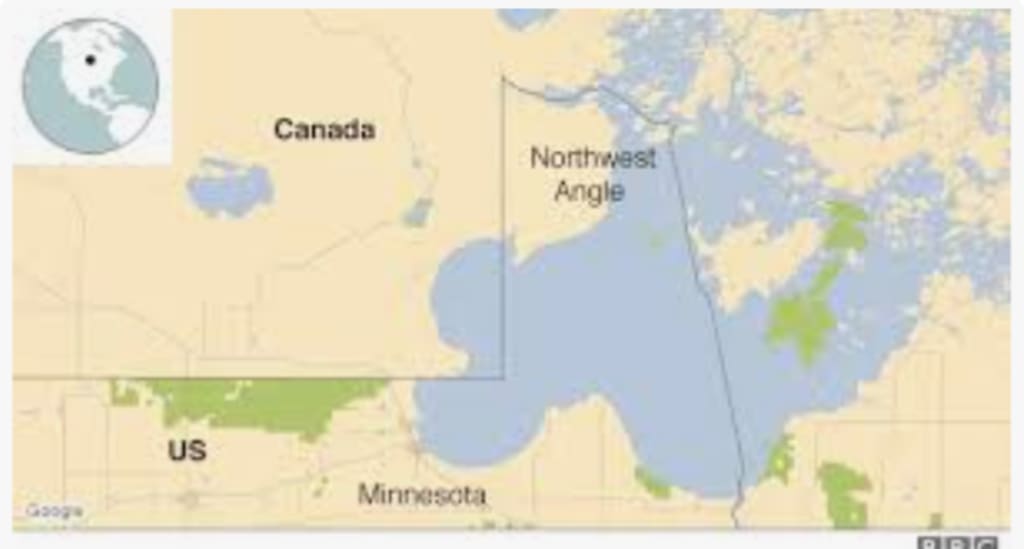
To many outsiders, Canada and the American Midwest—especially Minnesota—can appear almost identical. They share cold winters, friendly accents, love for hockey, and landscapes filled with lakes and forests. Jokes often circulate that Minnesota is basically “Canada Lite,” or that Canada is just a larger version of Minnesota. While the similarities are real, they can blur important distinctions. Canada is not Minnesota, and reducing one to the image of the other oversimplifies rich histories, cultures, and identities that deserve to stand on their own.
Geographically, it is easy to understand why the comparison exists. Minnesota borders Canada and shares similar terrain: wide plains, thousands of lakes, and dense forests. Cities like Duluth and Thunder Bay could pass as twins at a distance. Winters are long and brutal, shaping daily life and community behavior in both places. People shovel snow, drive carefully on icy roads, and bond over surviving the cold. This shared climate has created parallel lifestyles, but geography alone does not define culture.
One of the clearest differences lies in national identity. Minnesota is a state within the United States, shaped by American political traditions, values, and history. Canada is a sovereign nation with its own constitutional monarchy, parliamentary system, and multicultural policies. These systems influence everything from healthcare to education and social attitudes. In Canada, universal healthcare is a core national principle. In Minnesota, as in the rest of the U.S., healthcare is largely privatized and tied to employment or insurance plans. This single distinction affects how people view security, responsibility, and community support.
Culturally, Canadians tend to define themselves partly in contrast to Americans. Politeness and restraint are often highlighted as national traits, but more importantly, Canada promotes multiculturalism as an official policy. Immigration is woven into the country’s modern identity, and diversity is framed as a strength of the nation. Minnesota, while diverse and increasingly multicultural, operates within a different narrative—one that emphasizes individualism and freedom more strongly than collective responsibility. These values subtly shape conversations about race, immigration, and social policy on each side of the border.
Language also separates the two in meaningful ways. Canada is officially bilingual, with English and French recognized nationwide. This linguistic reality reflects the country’s colonial history and influences its politics and culture, especially in Quebec. Minnesota, on the other hand, functions entirely within an English-speaking American framework, with Indigenous and immigrant languages playing secondary roles. The presence of French in Canada connects it culturally to Europe in ways Minnesota does not share.
Sports and entertainment reveal further contrasts. While both love hockey, Canada treats it almost as a sacred tradition, deeply tied to national pride. In Minnesota, hockey is important but competes with football, baseball, and basketball for attention. American sports culture leans heavily into spectacle, celebrity athletes, and commercialism. Canadian sports culture often feels more community-centered, especially at local and youth levels. This difference reflects broader national tendencies toward either collective identity or competitive individual achievement.
History also draws a line between the two. Minnesota’s story is rooted in westward expansion, Indigenous displacement, and American frontier mythology. Canada’s national story focuses more on negotiation, confederation, and gradual political evolution. While both countries share painful histories regarding Indigenous peoples, their paths diverged politically and socially. Canada’s reconciliation efforts and public dialogue around Indigenous rights have taken different forms than those in the United States, showing that similar problems can lead to different national conversations.
Even humor and social interaction differ. Minnesotans are known for their “Minnesota nice,” a polite but sometimes passive-aggressive social style. Canadians are stereotyped as overly apologetic and friendly, but their humor often leans toward irony and quiet wit. These small social cues matter. They shape how people communicate, argue, and build relationships. What seems similar on the surface feels distinct in everyday interactions.
Why does it matter to say “Canada is not Minnesota”? Because identity matters. Reducing Canada to a regional stereotype erases its complexity and independence. It also misunderstands Minnesota, which has its own unique struggles and strengths within the American system. The comparison may be playful, but it can reinforce lazy assumptions about culture and nationality.
At a deeper level, this distinction reminds us that borders are not just lines on a map. They represent different ways of organizing society, telling stories, and imagining the future. Canada’s emphasis on collective care and multicultural inclusion stands apart from Minnesota’s American-rooted values of personal liberty and state pride. Both are valid. Both are meaningful. But they are not the same.
Canada is not Minnesota, just as Minnesota is not Canada. They are neighbors, not reflections. Their shared snowstorms and accents may make them look alike from afar, but beneath the surface lie different histories, systems, and identities. Recognizing those differences does not divide them—it honors what makes each unique.
In a world that often simplifies cultures into stereotypes, understanding nuance becomes an act of respect. Canada deserves to be seen as Canada, not as an extension of an American state. And Minnesota deserves to be recognized as more than a stand-in for its northern neighbor. Similar skies may stretch above them, but their stories follow different paths—and that is what makes both worth knowing.
About the Creator
Sajida Sikandar
Hi, I’m Sajida Sikandar, a passionate blogger with 3 years of experience in crafting engaging and insightful content. Join me as I share my thoughts, stories, and ideas on a variety of topics that matter to you.
Keep reading
More stories from Sajida Sikandar and writers in The Swamp and other communities.
Full Moon Show Moon
Every month, the night sky offers a familiar yet breathtaking spectacle—the full moon. Rising slowly above the horizon, glowing with silver brilliance, it transforms ordinary evenings into moments of wonder. Known across cultures as a symbol of mystery, romance, and renewal, the full moon is more than just a phase of the lunar cycle. It is a celestial show that has fascinated humanity for thousands of years.
By Sajida Sikandarabout 12 hours ago in The Swamp
Republican Senators Join Calls for Fuller Investigation Into Minneapolis Killing
In a rare moment of bipartisan alignment, several Republican senators have joined Democrats and civil rights advocates in calling for a fuller investigation into the killing that occurred in Minneapolis, reigniting national conversations around police accountability, justice, and transparency. The incident, which has already sparked public outrage and protests, is now drawing heightened scrutiny from federal lawmakers who argue that unanswered questions remain and that public trust depends on a thorough and independent review.
By Aqib Hussain6 days ago in The Swamp
One Unchecked Box
"Republished" because it was the only way to add the embed for the newly recorded audio version of this story due to the Top Story badge. Plus it serves as a nice, informal announcement of the podcast's revival for another season (go subscribe!):
By Stephen A. Roddewig5 days ago in Fiction


Comments
There are no comments for this story
Be the first to respond and start the conversation.