
Britain Says Talks to Join EU Defence Fund Have Broken Down
Why stalled defence talks signal a deeper divide in post-Brexit Europe

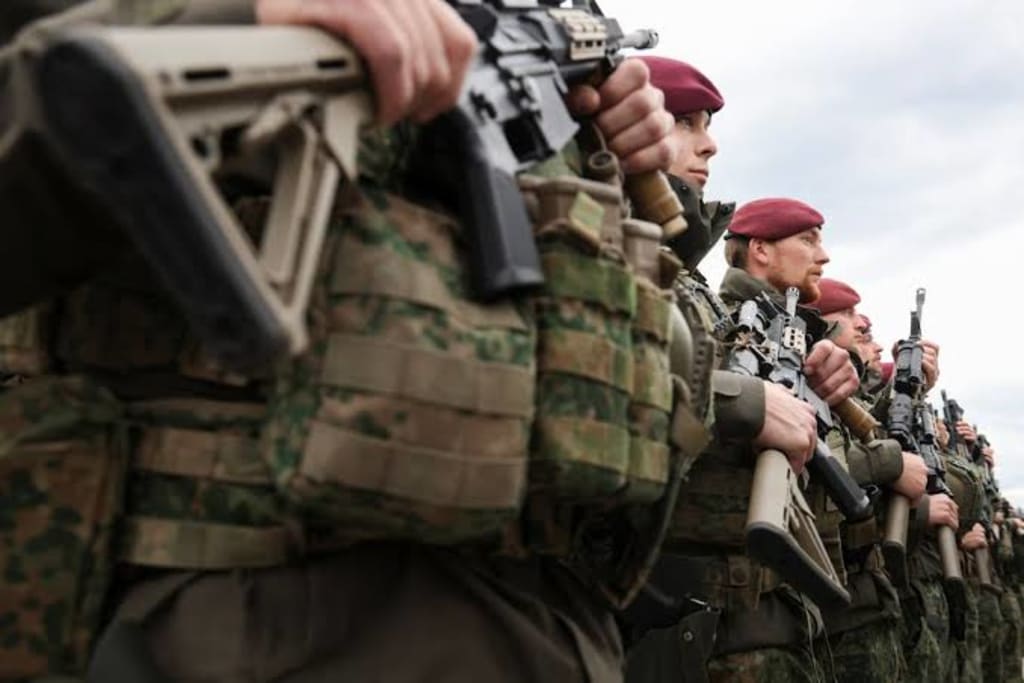
A major setback in post-Brexit security cooperation
For months, the United Kingdom and the European Union have tried to build a new foundation for defence cooperation. Both sides hoped that, even after Brexit, they could still work together on issues that affect the entire continent—security, technology, and military readiness. But this hope took a serious hit when Britain officially announced that talks to join the EU Defence Fund had broken down.
The announcement has raised concerns across Europe. At a time when global tensions are increasing, many experts believed that a stronger security partnership between the U.K. and the EU could help both sides respond to new threats. Now, the collapse of the negotiations has created fresh uncertainty about the future of European defence.
---
What Exactly Is the EU Defence Fund?
The European Defence Fund (EDF) is one of the EU’s most important security initiatives. It supports research, development, and innovation in military technology. Countries that take part in the EDF can collaborate on creating advanced defence tools such as drones, cyber-security systems, artificial intelligence for military use, surveillance equipment, and new forms of battlefield protection.
Billions of euros are set aside for this fund, and companies from member states can apply for major contracts. If Britain had joined the EDF, its defence industries could have benefited from these opportunities. The U.K. is known for its world-class defence research, and many believed that cooperation with the EU could help both sides develop stronger technology.
However, joining the EDF as a non-EU country is complicated. Unlike NATO, the EDF is tightly controlled by the EU, and it requires strict adherence to the bloc’s regulations, data-sharing rules, and research guidelines. This is where the talks began to fall apart.
---
Why Did the Talks Collapse?
British officials said the negotiations broke down over several unresolved issues. The most important disagreement was about control and decision-making. The EU wanted Britain to follow its rules without giving the U.K. much influence over how the fund operates. London felt this was unfair, especially since the U.K. would be contributing money and expertise.
Another conflict involved technology sharing. EU leaders were cautious about allowing a non-member state access to sensitive military research. They worried that sharing information widely—even with a trusted partner—could weaken security or give other countries an advantage.
The third major issue was political trust, which still hasn’t fully recovered after Brexit. Even though both sides say they want a cooperative relationship, there remain emotional and political tensions from the separation. These tensions played a role in slowing down progress.
In the end, neither side was willing to compromise enough to reach an agreement. As a result, the talks officially collapsed, leaving open questions about what comes next.
---
What Does This Mean for the United Kingdom?
For Britain, this breakdown is both a challenge and an opportunity. On one hand, the U.K. will miss out on the chance to participate in one of Europe’s largest defence research networks. British companies may struggle to access funding that could have supported innovation and growth.
On the other hand, Britain has strong ties with NATO and powerful defence partners such as the United States, Canada, and Australia. The U.K. may choose to focus on building deeper relationships with these countries. British officials have also suggested creating new defence programs with non-EU partners where the U.K. can retain more control.
Still, many analysts believe the U.K. has lost a valuable chance to shape Europe’s defence future. They warn that going separate ways could weaken the continent’s overall security.
---
What Does This Mean for the European Union?
The EU also faces consequences. Without the U.K.—one of Europe’s largest military powers—the EDF loses access to significant expertise. British companies, universities, and research groups have historically played major roles in developing defence technologies.
The EU will continue with its defence fund, but cooperation with a major player like the U.K. could have strengthened the program. Some EU officials say they are open to restarting talks later, but only if the U.K. accepts the fund’s conditions.
---
A Missed Opportunity at a Critical Moment
The breakdown of the EDF talks comes at a time when Europe is facing greater challenges than ever before. The Russia-Ukraine war, rising cyber threats, political instability in the Middle East, and increasing global competition all highlight the need for strong defence partnerships.
The collapse of negotiations does not mean cooperation is impossible—it simply means both sides were unable to agree right now. In the future, shifting political priorities or new threats may push the U.K. and EU to reconsider.
For now, however, the breakdown marks a disappointing moment in post-Brexit security efforts. It serves as a reminder that even when countries share common goals, political barriers can still stand in the way.
---
About the Creator
Fiaz Ahmed Brohi
I am a passionate writer with a love for exploring and creating content on trending topics. Always curious, always sharing stories that engage and inspire.
Keep reading
More stories from Fiaz Ahmed Brohi and writers in The Swamp and other communities.
Russia-Ukraine War: List of Key Events, Day 1,372
As the Russia-Ukraine war reaches Day 1,372, the conflict continues to reshape global politics, security, and human lives on an unprecedented scale. Each passing day carries its own set of developments—some shifting battle lines, others reshaping international alliances, and many influencing the daily struggle of civilians who remain trapped in the crossfire. Day 1,372 stands out as one filled with strategic military movements, fresh diplomatic reactions, and deepening humanitarian challenges. Here are the key events that defined this critical day.
By Fiaz Ahmed Brohi3 months ago in The Swamp
Parallel Protests
I haven't written for quite some time, but I have A LOT of thoughts about yesterday's protest rally against our government's involvement and complicity in America's war on Iran, on the harbourside of my home city Bristol, and I need to put them somewhere. My gorgeous girlfriend is always a loving and listening ear and sharing it all with her will always be a healthy and happy way of processing the mental and emotional weight, but getting it straight in my brain to share means writing it all down in straight lines, so, here we are and thanks for being here.
By Steph Cole8 days ago in The Swamp
Shots Fired at U.S. Consulate in Toronto, Police Say
Early Tuesday morning, authorities in Canada launched an investigation after gunfire was reported at the United States Consulate in downtown Toronto. The incident, which occurred before sunrise, has drawn international attention and prompted heightened security around diplomatic buildings across the country. Fortunately, no injuries were reported, but officials say the event is being treated as a serious national security matter.
By Jameel Jamalia day ago in The Swamp


Comments
There are no comments for this story
Be the first to respond and start the conversation.