
Blast in Iranian Port of Bandar Abbas Kills One, Injures 14: A Deadly Incident Rocks the Port City
Explosion in Strategic Maritime Hub Leaves One Dead and Several Injured, Raising Questions About Security in Iran’s Critical Infrastructure
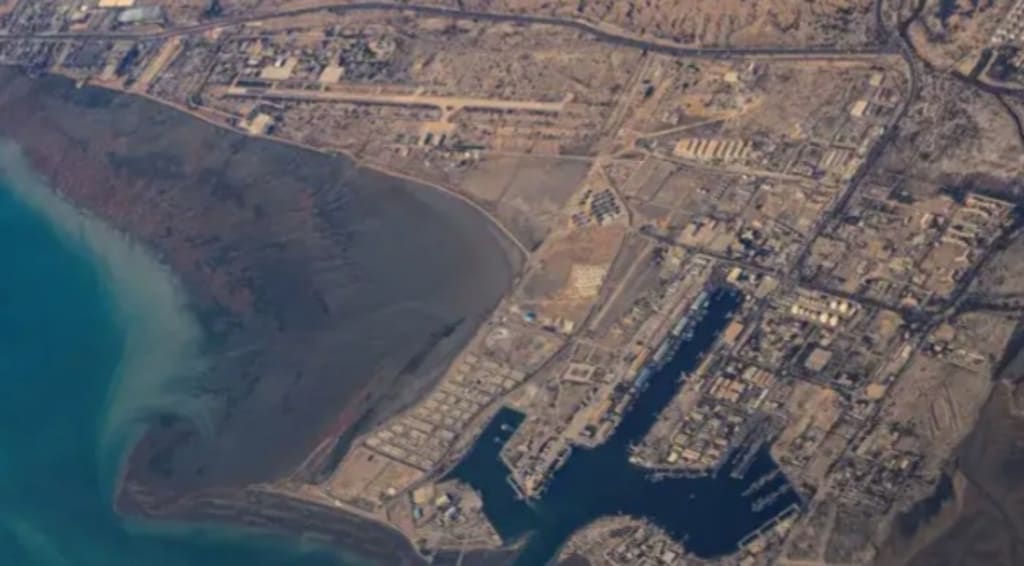
In a tragic incident that has left the Iranian port city of Bandar Abbas in shock, a deadly explosion claimed the life of one person and injured 14 others on Wednesday. The blast, which occurred in a densely populated area of the port, has raised serious concerns about security and the safety of critical infrastructure in Iran's maritime hubs.
Bandar Abbas, located on the southern coast of Iran, serves as a key maritime gateway for the country, playing a crucial role in international trade, especially given its proximity to the Persian Gulf. The city’s strategic importance makes it a vital artery for the country’s economy, with major ports, shipping operations, and industrial zones concentrated in the region.
The Explosion: Details and Immediate Aftermath
According to local media reports, the explosion took place in the vicinity of one of the port’s industrial areas, which has been known to house several commercial warehouses and storage facilities for hazardous materials. While the exact cause of the blast is still under investigation, initial reports indicate that the explosion was likely caused by a gas leak, though authorities have not ruled out the possibility of sabotage or a deliberate attack.
The blast occurred during peak working hours when the port was bustling with activity, with several workers and port staff present in the area. Rescue teams were immediately dispatched to the site of the explosion, and emergency medical services were deployed to treat the injured. The casualties were quickly transported to nearby hospitals, where doctors reported that several individuals sustained critical injuries, with some in need of urgent surgical intervention.
Casualties and Victims: A Look at the Human Impact
Local authorities confirmed that one person has tragically lost their life as a result of the blast. The 14 individuals who were injured, including both workers and bystanders, have been described as suffering from a range of injuries, including burns, broken bones, and blunt trauma. Some of the victims are reported to be in critical condition, though no further fatalities have been reported as of now.
The incident has sent shockwaves through the city, as residents and workers are grappling with the loss and trauma caused by such a devastating explosion. The area surrounding the blast site has been cordoned off by law enforcement, and investigations are underway to determine the precise cause of the blast.
Bandar Abbas: A Strategic Hub with Vulnerabilities
Bandar Abbas, the capital of Hormozgan province, is Iran’s busiest port and one of the most strategically important cities in the region. Located near the Strait of Hormuz, one of the world’s most vital maritime choke points, Bandar Abbas serves as a key transit point for oil exports, trade routes, and military shipping.
Despite its significance, the city has faced its fair share of security concerns in recent years, particularly in relation to tensions with international powers and the ongoing geopolitical instability in the region. The explosion raises broader questions about the safety measures in place at such critical infrastructure sites, as well as the potential threats posed by both internal and external factors.
While there has been no immediate claim of responsibility for the explosion, many analysts believe that incidents like this could be linked to either sabotage or retaliation against Iran’s military or economic interests. The country has faced multiple incidents involving explosions, cyberattacks, and other disruptions, often attributed to both foreign adversaries and local insurgent groups.
Previous Incidents and Concerns over Port Security
This explosion is not the first time Bandar Abbas has witnessed a devastating incident of this nature. In the past, there have been reports of smaller explosions and fires at industrial facilities and military sites in and around the port. While many of these incidents were attributed to accidents or mishandling of materials, the pattern of explosions at critical sites has sparked concerns about Iran’s vulnerability to sabotage and external threats.
In recent years, there have been multiple high-profile attacks on Iranian ports, industrial facilities, and military bases, many of which have been linked to tensions with Israel and the United States. These attacks are often carried out using a combination of cyberattacks, physical sabotage, and covert operations designed to disrupt Iran’s economy and military capabilities.
The Aftermath: Iranian Authorities Respond
In response to the explosion, Iranian authorities have launched a full-scale investigation into the incident. The Ministry of Interior has deployed specialized teams to examine the blast site, assess the damages, and identify the root cause. Iran’s President Ebrahim Raisi has also ordered an emergency review of security protocols at the country’s ports and critical infrastructure sites to prevent similar incidents in the future.
In a statement issued by the Iranian Ministry of Foreign Affairs, the government expressed its condolences to the families of the victims and vowed to take “decisive action” to ensure that those responsible for the explosion are held accountable. Authorities have assured the public that all necessary steps will be taken to enhance security in the port city and prevent any further tragedies.
Regional and International Reactions
The blast in Bandar Abbas has drawn attention from the international community, with some foreign governments expressing concern over the safety and security of maritime shipping routes in the region. While the cause of the explosion remains under investigation, the incident underscores the fragility of the security situation in the Gulf region.
International organizations, including the United Nations, have called for calm and urged all parties to avoid further escalation. The Strait of Hormuz remains one of the most heavily monitored and disputed waterways in the world, with any disruption to shipping activities potentially having far-reaching consequences for global oil markets.
Conclusion: A Wake-Up Call for Security and Stability
As the investigation into the Bandar Abbas explosion continues, it serves as a sobering reminder of the vulnerabilities facing critical infrastructure in a region marked by instability and conflict. While the full scope of the incident remains unclear, the human toll and the potential long-term implications for the region’s security are undeniable.
For Iran, this tragedy is a stark reminder of the need to bolster security at its critical infrastructure sites, especially in areas as vital as Bandar Abbas. The blast may have been a random act of violence, but it also highlights the broader geopolitical risks that threaten the stability of not just Iran, but the entire Middle East.
About the Creator
Keep reading
More stories from Ayesha Lashari and writers in The Swamp and other communities.
Explosive Epstein Files Photos Appear to Show Prince Andrew in Shocking Position
The Epstein scandal refuses to die — and now, it has erupted once again with the release of disturbing new photographs that appear to show Prince Andrew on all fours over a woman. The images, revealed as part of the latest batch of the so-called Epstein Files, have sent shockwaves across social media, newsrooms, and political circles worldwide.
By Ayesha Lashariabout 23 hours ago in The Swamp
How London Became the Rest of the World’s Startup Capital
London has quietly transformed into one of the most powerful startup ecosystems in the world. Once primarily known as a global financial centre, the city has evolved into a thriving hub for technology companies, fintech innovators, and ambitious entrepreneurs from across the globe. Today, London is often described as the startup capital outside Silicon Valley, attracting talent, funding, and groundbreaking ideas at an unprecedented scale.
By Aarif Lashariabout 13 hours ago in The Swamp
10 Times Rotten Tomatoes and I Disagreed
***Disclaimer*** I will be ranking these movies in the following manner: The greater the divide between Rotten Tomatoes and I, the higher up on the list (and I am referring to the critic's score, not the audience score). I will also show Rotten Tomatoes' score on each one in addition to my score. I am curious to know what everyone thinks, please let me know in the comments below!
By Madison "Maddy" Newton7 days ago in Geeks




Comments
There are no comments for this story
Be the first to respond and start the conversation.