
Bangladesh Protests Turn Violent After Activist Sharif Osman Hadi Dies
Unrest spreads across Bangladesh as anger mounts over the death of activist Sharif Osman Hadi, sparking clashes, arrests, and renewed calls for justice

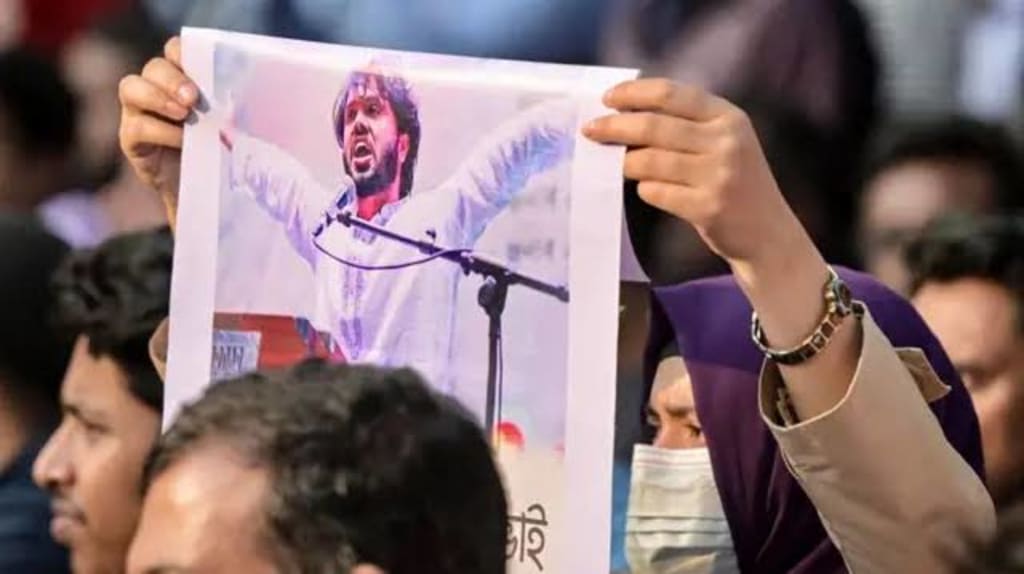
Bangladesh has once again been gripped by unrest as protests across the country escalated into violence following the death of activist Sharif Osman Hadi. His passing has become a flashpoint, intensifying public anger and drawing attention to long-standing grievances related to political freedoms, accountability, and the treatment of dissenting voices. As demonstrations spread, the situation highlights deeper tensions simmering beneath Bangladesh’s political landscape.
Who Was Sharif Osman Hadi?
Sharif Osman Hadi was known among activist circles as a vocal advocate for civil rights and political reform. He frequently spoke out against what he described as shrinking democratic space, alleged abuses of power, and restrictions on freedom of expression. Though not a mainstream political leader, Hadi’s influence lay in his ability to mobilize grassroots support, particularly among students and young activists who viewed him as a symbol of resistance.
News of his death, under circumstances that remain disputed, sent shockwaves through activist networks. Supporters claim he was targeted because of his outspoken views, while authorities insist that investigations are ongoing. The lack of immediate clarity has fueled speculation, mistrust, and outrage.
Protests Erupt Across Cities
Within hours of confirmation of Hadi’s death, protests erupted in Dhaka and several other major cities. Demonstrators gathered at universities, busy intersections, and public squares, chanting slogans demanding justice and transparency. What began as peaceful marches soon turned confrontational as clashes broke out between protesters and security forces.
Reports from the ground suggest that police used tear gas and batons to disperse crowds after some demonstrators blocked roads and attempted to storm government buildings. Protesters, in turn, allegedly set fire to vehicles and vandalized public property. The violence led to injuries on both sides and prompted authorities to impose heightened security measures.
Public Anger and Deeper Grievances
The unrest following Hadi’s death reflects broader frustration among sections of Bangladeshi society. Critics argue that dissent is increasingly criminalized, with activists, journalists, and opposition figures facing arrests, intimidation, or legal pressure. For many protesters, Hadi’s death represents not an isolated incident but a culmination of unresolved issues.
Social media has played a major role in amplifying public anger. Hashtags calling for justice trended rapidly, with users sharing videos of protests and allegations of excessive force. The digital mobilization has made it harder for authorities to control the narrative, while also drawing international attention to the situation.
Government Response and Official Statements
The Bangladeshi government has urged calm, emphasizing that violence will not be tolerated. Officials have promised a transparent investigation into Sharif Osman Hadi’s death and warned against spreading misinformation. According to government statements, law enforcement agencies are acting to maintain order and protect public safety.
However, opposition figures and rights groups remain skeptical. They argue that previous investigations into similar incidents have lacked credibility, reinforcing public distrust. Calls for an independent inquiry, potentially involving international observers, have grown louder as protests continue.
Impact on Stability and Economy
The violence has raised concerns about Bangladesh’s stability at a time when the country is already navigating economic challenges. Disruptions caused by protests have affected transportation, businesses, and daily life in urban centers. Investors and international partners are closely watching developments, wary of prolonged unrest that could impact trade and growth.
For ordinary citizens, the immediate impact is felt through road closures, internet slowdowns, and heightened security presence. Many fear that continued clashes could lead to stricter controls, further limiting civic space.
International Reaction and Human Rights Concerns
Human rights organizations have expressed concern over the violence and urged Bangladeshi authorities to respect the right to peaceful protest. Statements from advocacy groups stress the need for accountability, restraint by security forces, and protection of fundamental freedoms.
While foreign governments have largely refrained from strong public condemnation, diplomatic observers note that Bangladesh’s handling of the crisis could influence its global image. The country has often projected itself as a developing democracy with economic promise; ongoing unrest challenges that narrative.
What Comes Next?
As protests continue, the coming days will be critical. Much depends on the credibility and speed of the investigation into Sharif Osman Hadi’s death. A transparent process could help defuse tensions, while perceived delays or cover-ups may further inflame public anger.
For now, Sharif Osman Hadi has become a symbol of a wider struggle in Bangladesh—one centered on accountability, political freedom, and the right to dissent. Whether his death leads to meaningful reform or deeper polarization remains uncertain, but its impact on the nation’s political discourse is undeniable.
---
About the Creator
Fiaz Ahmed Brohi
I am a passionate writer with a love for exploring and creating content on trending topics. Always curious, always sharing stories that engage and inspire.
Keep reading
More stories from Fiaz Ahmed Brohi and writers in The Swamp and other communities.
Saudi-Backed Forces Gather on Yemen Border as Separatists Face Pressure to Pull Back
Tensions are escalating once again along Yemen’s volatile borders, as Saudi-backed forces amass in strategic positions amid mounting pressure on southern separatists to retreat from contested zones. This latest development underscores the fragile and complex nature of Yemen’s ongoing conflict, which has persisted for nearly a decade, leaving millions of civilians at risk and regional stability hanging in the balance.
By Fiaz Ahmed Brohi3 months ago in The Swamp
The Forsyth House Fire
Since 1851, Forsyth House has stood on the corner of Union Street and Gordon Street in the heart of Glasgow. Its iconic, or was... because on Sunday 8th of March, 2026, a fire broke out in a small, seemingly un-named shop in the building and tore all that history down. As I write, the rubble is still unsettled and the street is still blocked off. Central Station is quiet on the upper level, and around 30 small businesses have quite literally gone up in smoke.
By S. A. Crawford3 days ago in The Swamp
US Investigators Begin Search of Epstein’s Former Ranch in New Mexico
Federal investigators have begun a new search of Jeffrey Epstein’s former ranch in New Mexico, marking another step in the long-running effort to uncover evidence connected to the disgraced financier’s global sex-trafficking network. The property, often referred to as the Zorro Ranch, has been the subject of intense speculation for years. Survivors, journalists, and law enforcement officials have repeatedly suggested the remote estate may contain critical clues about the operations and associates involved in Epstein’s crimes.
By Jameel Jamali6 days ago in The Swamp
Pandora’s Burden
“My brother warned me to not accept gifts from the one who commissioned you,” said Epimetheus to the woman clad in silvery raiments standing at the entrance to the temple. Her silver tiara and the silver rings on her fingers and toes glinted in the firelight cast by torches set on either side of the doorway. Lingering in the shadows, beyond the reach of the flames as she was, he could not tell what she held in her hands. At first what appeared to be a box was perhaps a funerary urn, or maybe merely an apple.
By J. Otis Haas3 days ago in Fiction



Comments
There are no comments for this story
Be the first to respond and start the conversation.