
Austria Convicts Climber Over Girlfriend’s Death on Mountain
A tragic alpine fall leads to a courtroom reckoning and national debate
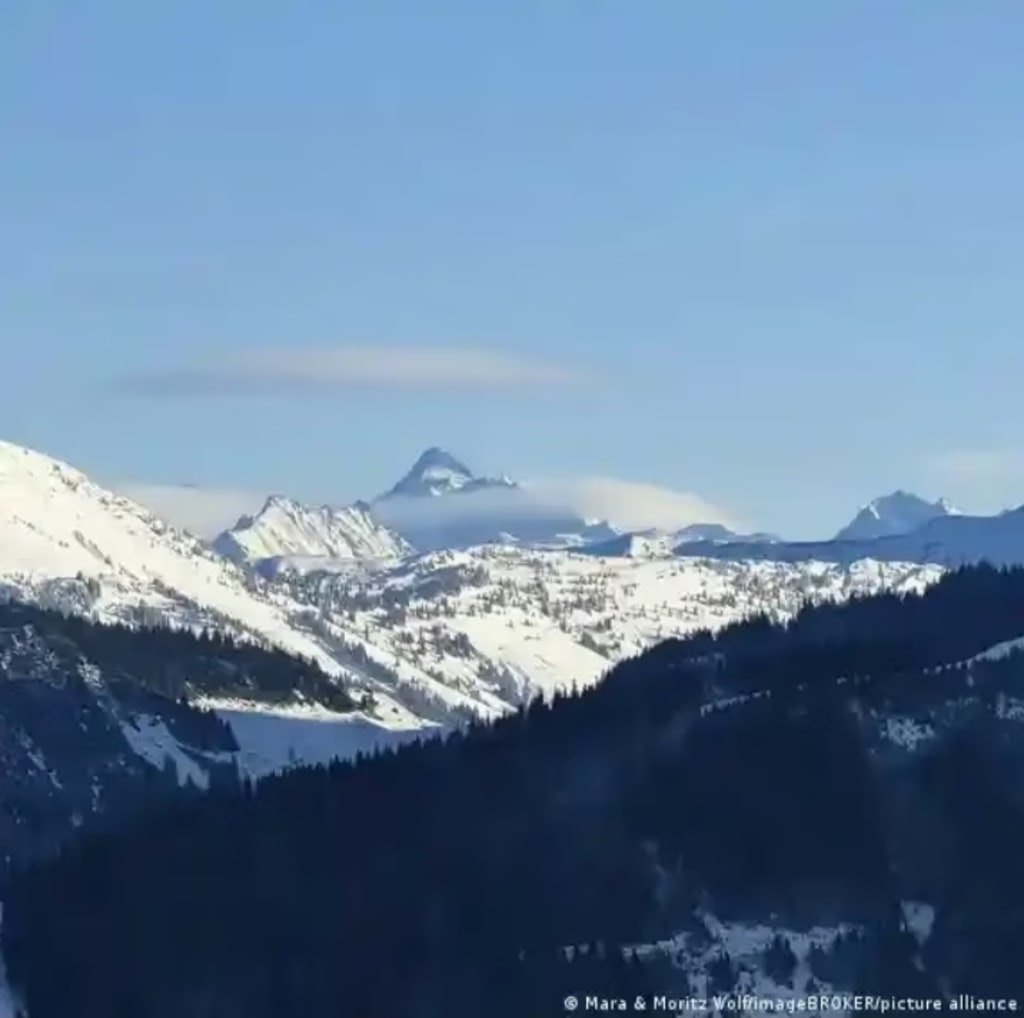
a case that has gripped Austria and stirred intense debate across Europe’s mountaineering community, a climber has been convicted in connection with the death of his girlfriend during a mountain expedition. What began as a tragic alpine accident evolved into a complex legal battle over responsibility, negligence and trust in extreme environments.
The ruling, delivered in an Austrian regional court, underscores how the dangers of high-altitude adventure can intersect with criminal accountability when survival decisions are scrutinized after the fact.
The Fatal Climb
The couple had set out to scale a challenging peak in the Austrian Alps, a region known for its breathtaking beauty and unforgiving terrain. Austria, home to some of Europe’s most iconic mountain ranges, attracts thousands of climbers each year. From seasoned alpinists to recreational hikers, the slopes offer both reward and risk.
According to court documents, weather conditions deteriorated rapidly during the ascent. Investigators later revealed that the pair had encountered unstable snowpack and icy sections requiring careful rope management and coordination. At some point during the descent, the woman fell hundreds of meters down a steep slope, sustaining fatal injuries.
Initially, authorities treated the incident as a tragic accident — an all-too-common reality in alpine environments. However, inconsistencies in the survivor’s account, combined with forensic analysis of equipment and rope positioning, prompted a deeper investigation.
From Accident to Criminal Case
Austrian prosecutors ultimately charged the climber with negligent homicide. Their case centered on whether he had failed in his duty of care during the descent.
Under Austrian law, climbers roped together assume mutual responsibility for each other’s safety. Prosecutors argued that the defendant had either improperly secured the rope system or made a reckless decision that increased the risk of a fall. They further alleged that his actions — or inaction — contributed directly to the fatal outcome.
The defense countered that mountaineering inherently involves unpredictable hazards. Even experienced climbers can be overwhelmed by sudden ice shifts or slipping footholds. The defendant maintained that he had attempted to arrest the fall but was unable to counteract the force.
The courtroom became a stage for technical debate: rope tension, anchor placement, crampon marks and snow density were dissected by expert witnesses. What might seem like split-second mountain decisions were replayed in painstaking detail before the judge.
The Court’s Decision
After months of testimony and expert analysis, the Austrian court convicted the climber, concluding that he had acted with criminal negligence. While acknowledging the inherent dangers of alpine climbing, the judge ruled that the defendant had deviated from accepted safety practices in a way that materially contributed to his partner’s death.
The sentence included a suspended prison term and financial compensation to the victim’s family. The ruling stops short of labeling the incident intentional, but it establishes legal accountability for what the court determined to be avoidable risk-taking.
Legal analysts note that the case sets a significant precedent. Mountaineering accidents are rarely prosecuted unless evidence suggests deliberate harm or extreme recklessness. This conviction signals that courts may be increasingly willing to scrutinize safety decisions in high-risk recreational activities.
The Emotional Fallout
Beyond the legal ramifications lies a deeply personal tragedy. The victim’s family described the loss as devastating and expressed relief that the judicial process had delivered what they viewed as accountability.
For the convicted climber, the verdict represents not only legal consequences but also a permanent association with the death of someone he once loved. Supporters argue that the mountain itself — not malicious intent — was responsible. Critics contend that trust in rope-partner relationships must carry serious obligations.
The emotional complexity of climbing partnerships is unique. Unlike many sports, alpinism requires literal reliance on another person’s decisions to stay alive. A misplaced anchor or delayed reaction can be fatal.
Austria’s Alpine Culture
Austria’s identity is closely intertwined with its mountains. The Alps are not just a tourist attraction but a cultural symbol. Generations have grown up hiking, skiing and climbing in these ranges. Organizations such as alpine clubs provide training in rope techniques, avalanche awareness and risk management.
Yet even with extensive education and infrastructure, accidents occur every year. Rescue helicopters regularly respond to falls, avalanches and sudden weather shifts. Authorities emphasize preparation, but they also recognize that zero risk is impossible in such environments.
The recent conviction may prompt climbers to reconsider how they assess and share responsibility. Some fear it could deter individuals from climbing with partners due to potential legal exposure. Others argue that reinforcing accountability strengthens safety culture.
Legal and Ethical Questions
The case raises broader questions about how society defines negligence in inherently dangerous pursuits.
If two consenting adults embark on a hazardous climb, to what extent can one be criminally liable for a tragic outcome? Does the acceptance of risk by both parties diminish individual responsibility? Or does the shared rope imply an enforceable duty of care?
Legal experts suggest that context matters. Courts typically look for clear deviations from established safety standards. In this case, the judge determined that such deviation occurred.
However, critics worry about slippery slopes. Could future cases involve climbers facing prosecution over misjudged weather calls? What about skiing accidents or whitewater rafting incidents?
Balancing personal freedom with public accountability remains a delicate judicial challenge.
The Mountaineering Community Responds
Reaction within Europe’s climbing circles has been mixed. Some professionals support the ruling, arguing that it reinforces the importance of rigorous training and adherence to best practices. They contend that holding individuals accountable deters complacency.
Others fear the chilling effect. Mountaineering thrives on trust, mentorship and shared risk. Introducing heightened legal scrutiny may alter how climbers approach partnerships and decision-making.
Safety advocates emphasize documentation and communication. Clear trip planning, equipment checks and honest discussion of skill levels may become even more critical in light of the verdict.
A Tragedy with Lasting Impact
At its core, the case is about loss — the sudden, irreversible loss that mountains can impose without warning. But it is also about how societies process that loss when questions arise about preventability.
Austria’s conviction of the climber reflects a growing willingness to examine extreme sports through a legal lens traditionally reserved for everyday activities. Whether this signals a broader shift remains to be seen.
The Alps will continue to draw adventurers, and climbers will continue to accept risk in pursuit of summits. Yet this case stands as a stark reminder that when adventure turns fatal, the consequences may extend far beyond the mountain itself.
In the thin air above the valleys, decisions are made in moments. In courtrooms below, those same moments can echo for years.
About the Creator
A Gathering of Evil Bosses
“I’m the queen of chin jutting while I smooth my hair, attacking, insulting, and deflecting to protect my appointer.” “Oh, please, Blondi, my hair is curled, highlighted, and longer than yours. I feature television commercials telling immigrants that we will give them a free plane ride home, and if they voluntarily turn themselves in, they will be allowed to legally apply for re-entry. It runs everywhere, and I look good in it! You can’t compete because of your blond hair. Mine is nicer, and my lips are prettier than yours.”
By Andrea Corwin 3 days ago in The Swamp



Comments
There are no comments for this story
Be the first to respond and start the conversation.