
Australia Announces Acquisition of Long-Lead Items for AUKUS Nuclear Propulsion Systems
Australia takes a major step in its AUKUS nuclear submarine program by securing critical long-lead components, signaling progress in naval modernization and regional deterrence.

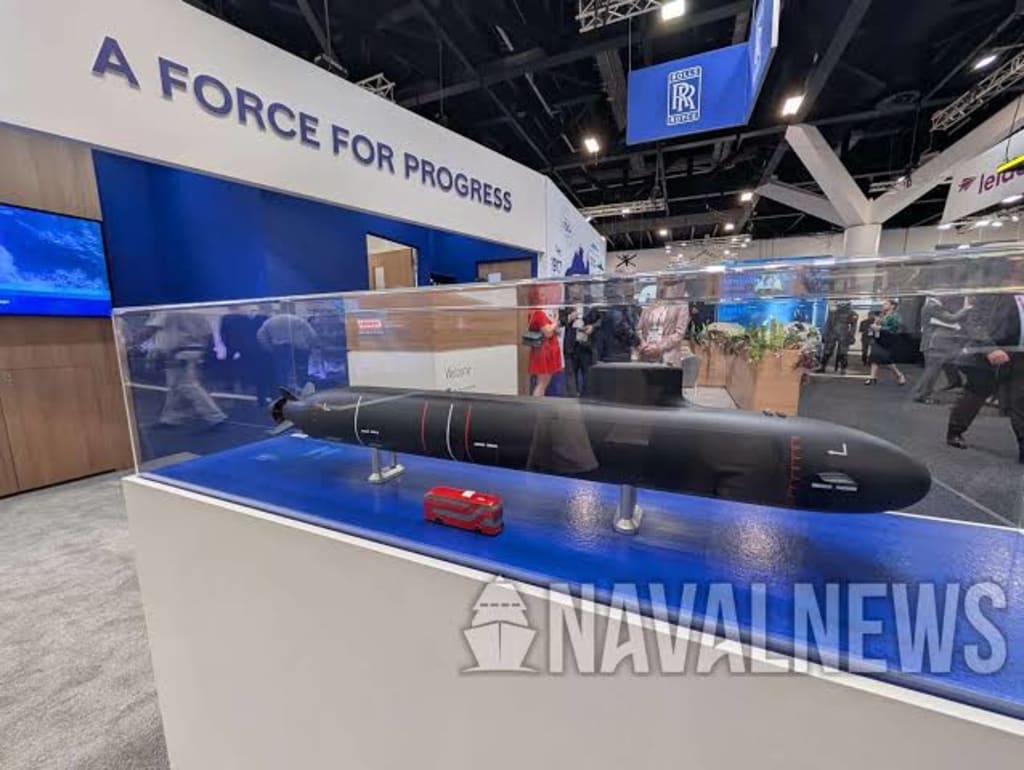
Australia has formally announced the acquisition of long-lead items necessary for the development of nuclear propulsion systems under the AUKUS agreement with the United States and the United Kingdom. The move marks a significant step forward in Canberra’s efforts to modernize its naval capabilities and enhance deterrence in the Indo-Pacific region amid rising geopolitical tensions.
Long-lead items, which include critical components such as reactor vessels, propulsion modules, and specialized alloys, are essential for the early stages of building nuclear-powered submarines. These components require years to manufacture and secure, making their timely acquisition a critical milestone for Australia’s ambitious submarine program.
Strategic Context
The AUKUS pact, unveiled in 2021, represents a trilateral defense partnership focused on providing Australia with nuclear-powered submarines and fostering collaboration on advanced defense technologies. Nuclear propulsion offers strategic advantages over conventional diesel-electric submarines, including greater endurance, speed, and stealth capabilities. These advantages are particularly valuable in the Indo-Pacific, where China’s naval presence has grown rapidly in recent years.
Australian Defense Minister Richard Marles emphasized that the acquisition of long-lead items demonstrates Canberra’s commitment to delivering on its obligations under the pact. “This milestone ensures that Australia remains on track to achieve a nuclear-powered submarine fleet that can operate in the most challenging environments,” Marles said.
The program also signals Australia’s intent to enhance its domestic industrial base. By involving local shipyards, engineering firms, and research institutions, the initiative is expected to create high-skilled jobs and strengthen technological expertise in advanced nuclear systems.
Technical and Industrial Challenges
Developing nuclear propulsion for submarines is a complex undertaking. Long-lead items are difficult to produce and require specialized knowledge, rigorous safety standards, and extensive quality control. Australian officials have emphasized collaboration with American and British partners to ensure compliance with international nuclear regulations while protecting sensitive technology.
The announcement also underscores the importance of early planning. Because nuclear-powered submarines have long construction timelines, delays in procuring long-lead components could push back the entire fleet’s delivery schedule. Defense analysts say the timely acquisition signals Canberra’s commitment to adhering to the program’s multi-decade roadmap.
Regional Implications
Australia’s move is likely to have significant regional ramifications. Neighboring countries and global observers have expressed both support and concern about the AUKUS program. Proponents argue that nuclear propulsion strengthens deterrence and contributes to regional security, particularly in light of increasing Chinese maritime assertiveness.
Critics, however, have raised concerns about nuclear proliferation and the potential for an arms race in the Indo-Pacific. While Australia’s submarines will be nuclear-powered, they are not intended to carry nuclear weapons, officials stress, noting that propulsion technology is distinct from weapons programs. Nonetheless, the initiative is being closely monitored by other regional powers, including China and Indonesia.
Political and Diplomatic Significance
The announcement also highlights Canberra’s deepening strategic ties with Washington and London. By committing to AUKUS, Australia signals its willingness to align more closely with allied defense priorities while balancing domestic and regional concerns. The program represents a fusion of diplomacy, technology transfer, and industrial capacity building.
Australian policymakers have consistently framed the nuclear submarine program as a defensive measure rather than an offensive strategy. “Our goal is to secure our maritime approaches and protect trade routes critical to Australia’s economy,” said Minister Marles.
Looking Ahead
With long-lead items now in hand, Australia moves closer to initiating the construction phase of its nuclear submarine fleet. Analysts note that the next steps will include reactor assembly, hull construction, and integration of advanced sensors and weapons systems. The full program is expected to span decades, but the current milestone provides a tangible sign of progress.
In conclusion, Australia’s acquisition of long-lead items for AUKUS nuclear propulsion systems represents both a technical and strategic achievement. It underlines the country’s determination to modernize its navy, strengthen regional deterrence, and build domestic expertise in high-end defense technology. As the Indo-Pacific’s security landscape continues to evolve, Canberra’s nuclear submarine initiative will remain a focal point of international attention.
About the Creator
Fiaz Ahmed
I am Fiaz Ahmed. I am a passionate writer. I love covering trending topics and breaking news. With a sharp eye for what’s happening around the world, and crafts timely and engaging stories that keep readers informed and updated.
Keep reading
More stories from Fiaz Ahmed and writers in The Swamp and other communities.
Warning over ‘Heart Attack’ Snow as US Sees Record Snowfall
Parts of the northeastern United States are grappling with record-breaking snowfall this week, prompting health warnings and transportation disruptions as authorities struggle to manage both the snow and its dangerous side effects. Meteorologists have described the storm as one of the most severe of the season, with some regions seeing several feet of accumulation in just 24 hours. The unusually heavy snow has sparked a so-called “heart attack snow” alert from medical professionals. The term refers to the physical strain caused by shoveling deep, dense snow, which can trigger heart attacks in people with underlying cardiovascular conditions. Hospitals in affected areas have reported an increase in patients experiencing chest pains, shortness of breath, and other warning signs after strenuous snow removal. Record Snowfall Across the Northeast States including New York, Massachusetts, and Pennsylvania have recorded snow accumulations exceeding previous winter records. The storm has caused road closures, grounded flights, and forced school districts to cancel classes. The National Weather Service issued winter storm warnings and urged residents to stay indoors unless travel is essential. Snowplow operations are running around the clock, but officials warn that the volume and intensity of snowfall are creating hazardous conditions. Sidewalks and secondary roads remain blocked in many suburban and rural areas, making it difficult for emergency services to respond quickly. Health Risks of Heavy Snow Medical experts stress that “heart attack snow” is a serious concern. Shoveling heavy, wet snow is highly strenuous and can raise blood pressure and heart rate dramatically. Individuals with pre-existing heart conditions, high blood pressure, or sedentary lifestyles are particularly at risk. The combination of cold temperatures, physical exertion, and stress can overwhelm the cardiovascular system. Dr. Karen Matthews, a cardiologist in Boston, advised residents to take precautions: “If you must shovel snow, take it slowly, use smaller amounts at a time, and consider enlisting help. Even otherwise healthy people can experience heart problems if they overexert themselves in extreme cold.” Emergency departments in the hardest-hit areas have reported seeing a notable uptick in patients complaining of chest discomfort, some of whom required immediate intervention. Transportation and Infrastructure Disruptions The storm has caused widespread travel disruptions. Major airports in New York City and Philadelphia canceled hundreds of flights, stranding thousands of passengers. Interstate highways remain treacherous, and officials advise travelers to avoid non-essential trips until snow removal operations are completed. Public transit systems have been severely affected. Train schedules are delayed due to snow on tracks, and bus routes are operating on limited schedules. Authorities have mobilized National Guard units in some states to assist with emergency response and snow clearance in critical areas. Community Response Communities are mobilizing to help vulnerable residents, particularly the elderly and those with medical conditions. Volunteers are clearing sidewalks and driveways and delivering groceries and medicines. Hospitals and emergency services have increased staffing to manage the potential surge in weather-related medical emergencies. Local governments have issued guidelines for safe snow removal, urging residents to use ergonomic shovels, dress in layers, and stay hydrated. Some municipalities are considering temporary shelters for those stranded by the storm or without power. Looking Ahead Forecasters predict that temperatures will remain below average for the next week, slowing snowmelt and prolonging hazardous conditions. Residents are urged to monitor local weather updates, follow safety advisories, and avoid unnecessary exertion. While winter storms are a familiar challenge in the northeastern U.S., experts emphasize that the combination of record snowfall and health risks makes this particular event unusually dangerous. Awareness campaigns are ongoing to prevent avoidable injuries and ensure that communities can weather the storm safely. In summary: The “heart attack” snow warning highlights the deadly intersection of extreme weather and human vulnerability. As the storm continues to impact millions, officials emphasize caution, proper preparation, and seeking help when needed to reduce the risk of serious injury or death.
By Fiaz Ahmed about 8 hours ago in The Swamp
A Gathering of Evil Bosses
“I’m the queen of chin jutting while I smooth my hair, attacking, insulting, and deflecting to protect my appointer.” “Oh, please, Blondi, my hair is curled, highlighted, and longer than yours. I feature television commercials telling immigrants that we will give them a free plane ride home, and if they voluntarily turn themselves in, they will be allowed to legally apply for re-entry. It runs everywhere, and I look good in it! You can’t compete because of your blond hair. Mine is nicer, and my lips are prettier than yours.”
By Andrea Corwin 6 days ago in The Swamp




Comments
There are no comments for this story
Be the first to respond and start the conversation.