
Arctic Blast Grips the UK: New Snow and Ice Warnings Issued
Met Office Alerts Millions as Temperatures Plunge and Travel Chaos Looms
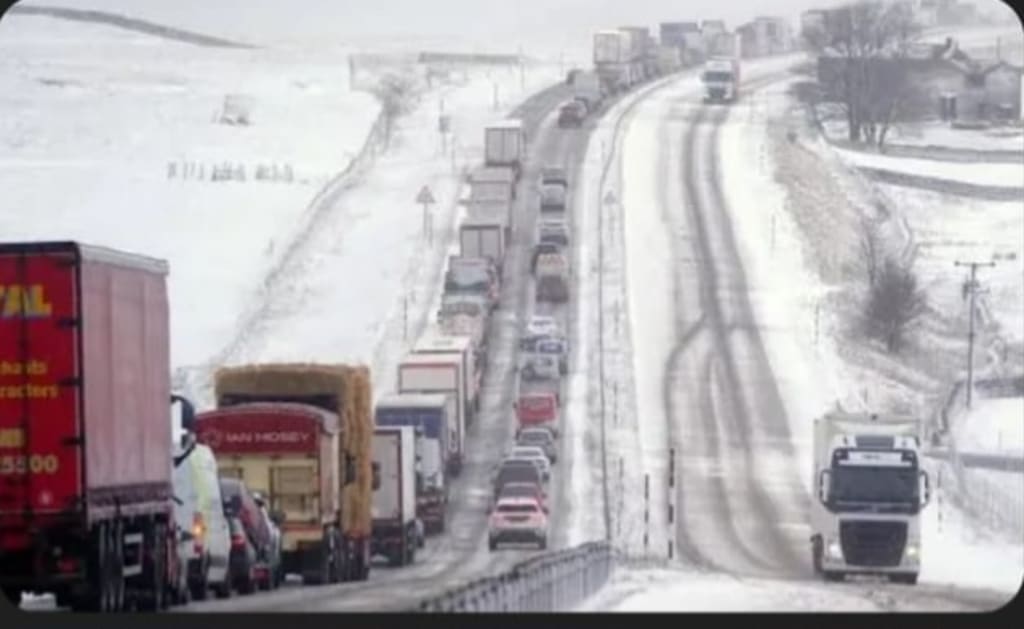
A powerful surge of Arctic air has swept across the United Kingdom, prompting widespread snow and ice warnings and raising concerns over travel disruption, school closures, and dangerous road conditions. Forecasters say the cold snap, driven by frigid winds from the north, will bring sub-zero temperatures, heavy snowfall in some regions, and treacherous icy surfaces across much of the country in the coming days.
The Met Office has issued multiple yellow weather warnings for snow and ice, with meteorologists cautioning that even small amounts of snowfall can create hazardous conditions when combined with freezing temperatures overnight. Officials are urging residents to stay updated with local forecasts and take extra care while traveling.
Arctic Air Tightens Its Grip
The latest cold spell is the result of a shift in atmospheric patterns that has allowed icy Arctic air to plunge southwards. As this bitterly cold air meets moist air systems moving in from the Atlantic, it creates ideal conditions for snowfall. Northern and upland areas are expected to see the heaviest accumulations, but forecasters warn that even lower-lying regions could experience flurries and icy patches.
Parts of Scotland are bracing for several centimeters of snow, particularly in higher elevations where accumulations may disrupt road and rail networks. Meanwhile, northern England and parts of the Midlands could also experience snowfall, especially during nighttime hours when temperatures dip well below freezing.
In southern areas, including London, widespread heavy snow is less certain, but icy conditions are likely to pose significant risks during early morning and late evening commutes. Even light snowfall can quickly turn into compacted ice on untreated roads and pavements.
Travel Disruption and Public Safety Concerns
Transport authorities are preparing for possible delays and cancellations. Gritting teams have been deployed across major highways, but officials caution that rapidly changing conditions may still catch drivers off guard. Black ice — a nearly invisible layer of ice that forms on road surfaces — is one of the primary dangers during such cold spells.
Rail operators have warned that freezing temperatures can affect signaling equipment and overhead power lines. Airports are also on alert, with de-icing operations expected to increase if snowfall intensifies.
Motorists are being advised to avoid non-essential travel in affected areas, check weather updates before setting out, and carry emergency supplies such as blankets, food, water, and a fully charged mobile phone. Pedestrians are also urged to take care, as icy pavements significantly increase the risk of slips and falls.
Emergency services across England and other regions have reminded the public to dial emergency numbers only in genuine emergencies, as weather-related incidents can place additional strain on already busy response teams.
Health Risks in Freezing Temperatures
The arrival of Arctic air also brings serious health concerns, particularly for vulnerable groups such as the elderly, young children, and individuals with pre-existing medical conditions. Prolonged exposure to cold weather can increase the risk of hypothermia, frostbite, and respiratory complications.
Public health officials are advising people to keep homes adequately heated and to check in on elderly neighbors or relatives who may be at risk. Energy providers have also reassured customers that contingency plans are in place to manage increased demand during the cold snap.
Homeless charities have activated severe weather emergency protocols in several cities, offering temporary shelter and support to those sleeping rough. Community groups are calling for donations of warm clothing, blankets, and hot meals to help those most affected by the freezing conditions.
Schools and Businesses Monitor the Situation
Local councils are closely monitoring forecasts to determine whether school closures will be necessary. In previous cold spells, heavy snowfall and icy roads have forced hundreds of schools to shut temporarily, particularly in rural and upland areas where travel becomes hazardous.
Businesses, especially those reliant on deliveries and commuting staff, are also preparing contingency plans. Some companies are encouraging employees to work from home where possible, reducing travel risks and easing pressure on public transport networks.
Climate Context: Extreme Swings
While winter cold spells are not unusual in the UK, meteorologists note that recent years have seen more volatile weather patterns, with rapid swings between mild and freezing conditions. Such variability can amplify disruption, as infrastructure and communities may not be fully prepared for sudden temperature drops.
Experts emphasize that cold weather events remain a natural part of the UK’s climate system, even amid broader discussions about global climate change. The key challenge lies in preparedness and timely public communication to minimize risks.
What Happens Next?
Forecasters say the Arctic air mass is expected to persist for several days, with nighttime temperatures falling as low as -5°C or lower in rural areas. Daytime temperatures are likely to remain near freezing in many regions, limiting snowmelt and increasing the likelihood of persistent ice.
There is also the potential for further weather warnings if additional Atlantic systems move in and interact with the cold air. This could bring fresh snowfall to parts of the country later in the week.
The Met Office has urged the public to stay informed through official updates and avoid spreading unverified information on social media. Weather conditions can vary significantly over short distances, making localized forecasts particularly important.
A Nation on Alert
As Arctic air continues to sweep across the United Kingdom, communities are being reminded of the importance of caution, preparedness, and solidarity. From gritting crews working overnight to emergency responders on standby, efforts are underway nationwide to minimize the impact of snow and ice.
For millions, the coming days will mean bundling up against biting winds, adjusting travel plans, and keeping a close eye on forecasts. While picturesque winter scenes may emerge in some areas, authorities stress that safety must remain the top priority.
With temperatures set to remain well below seasonal averages, the UK faces a challenging stretch of winter weather — a stark reminder of nature’s power and the need for vigilance when Arctic conditions take hold.
About the Creator
Keep reading
More stories from Ayesha Lashari and writers in The Swamp and other communities.
Aircraft Involved in ‘Serious Incident’ Cleared to Return to Service After Safety Review
An aircraft involved in a “serious incident” while operating for Aurigny Air Services is set to return to commercial flights after undergoing thorough safety checks and evaluations. The move reassures passengers and industry watchers that the airline and aviation authorities prioritize safety, even when dealing with minor or unexplained anomalies.
By Ayesha Lashari3 days ago in The Swamp
Why Black History Matters in America?
The United States of America is celebrating their 250th anniversary in 2026. I'm proud to be an American and as someone who was born here, I wouldn't imagine myself living anywhere else. This is a country where opportunities are possible. Where anyone can be successful in anything they desire to do. Equality, community, and togetherness are the backbones of what America is and should be about. However, we have an administration who wants to erase and disregard those who have made positive, meaningful impacts in our country, specifically Black figures, such as Martin Luther King, Jr., Rosa Parks, and Maya Angelou. President Trump and his administration have been constantly complaining and fighting against what they call the "Woke agenda". They use this excuse as a distraction from other issues they refuse to address, such as the high cost of living, climate change, and inflation. That equality is dividing America, when in reality, it's bringing us together. Being woke is not tied to a specific political party. No matter where you stand on the political spectrum, you can still care about other people and their plights. Compassion and empathy for others isn't tied to a political party, either. We were taught as children to treat others the way we want to be treated and not judge others because they're different from us. Caring about others isn't a personal attack on your beliefs. It doesn't make you any less of a person. People who are easily offended over African American figures, past or present, or anything related to it, are grasping at straws. Current and future generations need to know who people like Harriet Tubman and Shirley Chisholm were, especially in the classroom. Black History is part of American History. It should be recognized, not hidden or forgotten. Besides, you can't shield children from everything, just because your feelings are easily hurt.
By Mark Wesley Pritchard 14 days ago in The Swamp
I Don't Need My Phone... Wait, Is That Actually True?
My parents gave me my first cell phone when I was twelve years old. It wasn't a fancy iPhone or anything, not even close. Just a simple black flip phone for when I needed to call or text them after school.
By Madison "Maddy" Newton2 days ago in Humans



Comments
There are no comments for this story
Be the first to respond and start the conversation.