
‘An Incomprehensible Nightmare’: Grief Turns to Anger Over Swiss Bar Fire as Le Constellation Owner Arrested
From celebration to catastrophe in Crans-Montana — and the growing demand for accountability

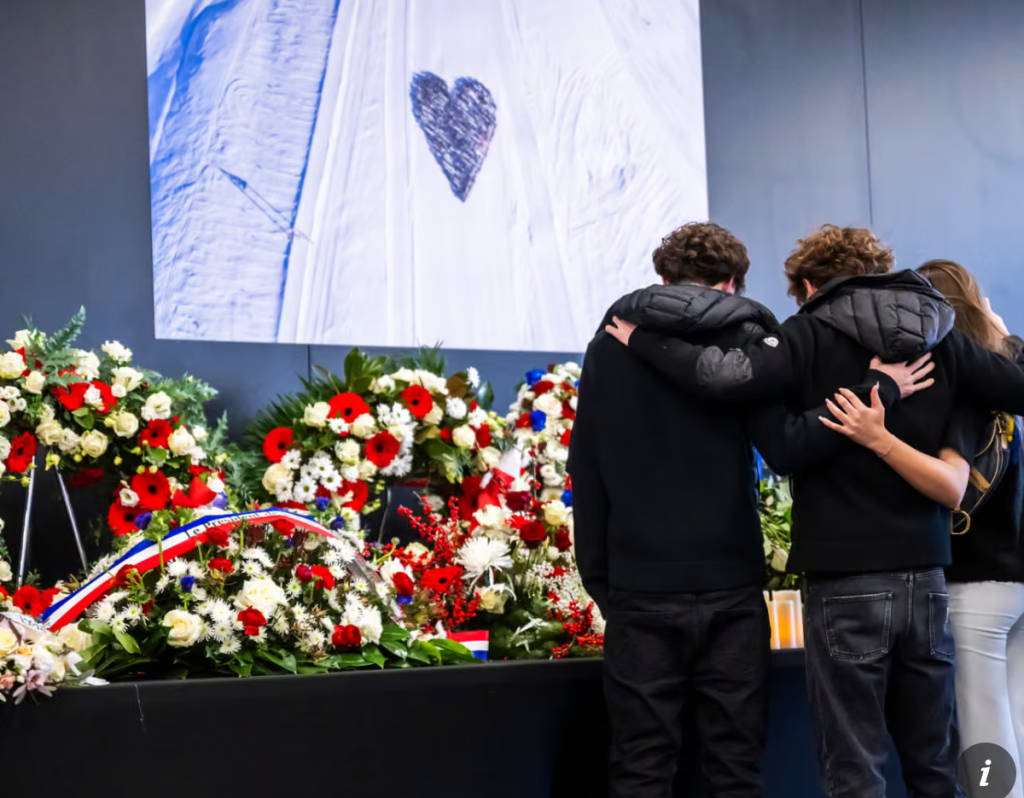
New Year’s Eve is meant to symbolize hope, renewal, and fresh beginnings. In the Swiss Alpine resort town of Crans-Montana, however, the arrival of 2026 became a moment of unimaginable horror. A devastating fire at the popular nightclub Le Constellation claimed 40 lives and injured more than a hundred others, transforming a place of music and celebration into the epicenter of one of Switzerland’s deadliest peacetime disasters in decades.
What followed was a wave of national mourning — and then something more powerful. As details emerged, grief began to turn into anger, and a collective question echoed across Switzerland and beyond: How could this have happened?
A Night That Changed Everything
Shortly after midnight on January 1, Le Constellation was packed with young people celebrating the New Year. Witnesses recall a festive atmosphere, champagne flowing, music pulsing, and crowds pressed close together. Within minutes, everything changed.
Investigators believe that sparkler-style fireworks attached to champagne bottles ignited flammable soundproofing material on the ceiling. Flames spread rapidly through the confined basement space, filling the venue with smoke and heat before many people could react.
Panic followed. Survivors described a desperate rush for exits, poor visibility, and crushing crowds as people tried to escape. Some broke windows. Others were trapped. Emergency services arrived quickly, but the fire’s speed and intensity left little chance for many inside.
By dawn, the scale of the tragedy was clear.
A Community in Mourning
Crans-Montana, better known for ski holidays and postcard-perfect views, became a town united by sorrow. Many of the victims were teenagers and young adults, some as young as 14. Families from Switzerland, France, and Italy gathered in hospitals, churches, and temporary shelters, searching for answers and clinging to hope.
A national day of mourning was declared. Bells rang across the country. Vigils were held, candles lit, and names read aloud. Swiss leaders were joined by foreign dignitaries in remembrance ceremonies, underscoring the international impact of the loss.
But even as memorials continued, troubling information began to surface.
From Grief to Outrage
Public emotion shifted dramatically when authorities revealed that Le Constellation had not undergone a mandatory fire safety inspection since 2019, despite regulations requiring regular checks for venues hosting large crowds.
For many families, this disclosure felt like a second shock.
How could a nightclub operate for years without inspection?
Who was responsible for ensuring safety standards were met?
And why were obvious risks — such as indoor fireworks — allowed at all?
The mayor of Crans-Montana acknowledged failures in oversight, admitting that inspections simply had not taken place. That admission sparked widespread anger, not only toward the bar’s owners but also toward local authorities and regulatory bodies.
On social media and in public forums, the tone changed from mourning to demand: someone must be held accountable.
The Arrest That Changed the Investigation
That demand intensified when Swiss prosecutors announced the arrest of Jacques Moretti, co-owner of Le Constellation. Authorities placed him in pre-trial detention, citing concerns that he could leave the country and potentially evade justice.
Prosecutors are now investigating possible charges including involuntary homicide, negligence, and causing bodily harm. His wife and business partner was questioned separately and placed under house arrest.
For many families, the arrest offered a measure of reassurance — a sign that the tragedy was being taken seriously. For others, it raised further questions about how responsibility would ultimately be shared between private owners and public institutions.
Voices of the Survivors
Amid legal developments, survivors continue to process their trauma. Some remain hospitalized with severe burns and smoke inhalation injuries. Others are physically safe but psychologically scarred.
Several have described recurring nightmares, survivor’s guilt, and a sense of disbelief that they lived while friends did not. Parents of victims have spoken of empty bedrooms, unfinished dreams, and futures erased in minutes.
Their testimonies have become a powerful reminder that behind every statistic is a human life — and that accountability is not abstract, but deeply personal.
A National Reckoning on Safety
The fire has triggered a sweeping review of fire safety standards across Switzerland. Authorities have launched inspections of nightclubs, bars, and event spaces nationwide. Indoor pyrotechnics are being restricted or banned, and enforcement mechanisms are under renewed scrutiny.
Yet critics argue that inspections alone are not enough.
They are calling for:
Clearer responsibility between municipalities and venue owners
Transparent public records of safety inspections
Stronger penalties for non-compliance
Faster intervention when risks are identified
If a disaster of this scale can happen in a country renowned for precision and regulation, many ask, what does that mean for public safety elsewhere?
An Incomprehensible Nightmare — and a Turning Point
The phrase repeated by grieving families — “an incomprehensible nightmare” — captures the emotional weight of the tragedy. But as legal proceedings move forward, that nightmare may also become a turning point.
The Le Constellation fire has exposed systemic weaknesses, forced uncomfortable truths into the open, and sparked a nationwide conversation about responsibility, prevention, and justice.
Whether those conversations lead to lasting reform remains to be seen.
What is certain is this: the 40 lives lost on that New Year’s night will not be forgotten — and for many, justice will mean ensuring that such a tragedy never happens again.
About the Creator
Muhammad Hassan
Muhammad Hassan | Content writer with 2 years of experience crafting engaging articles on world news, current affairs, and trending topics. I simplify complex stories to keep readers informed and connected.
Keep reading
More stories from Muhammad Hassan and writers in The Swamp and other communities.
50 Inspiring Travel Ideas for 2026 Chosen by Readers
Travel in 2026 is all about meaning, balance, and personal connection. Readers from around the world have shared their most inspiring travel ideas for the year ahead—destinations that promise relaxation, culture, adventure, and unforgettable memories. From classic beach holidays to emerging cities, family-friendly escapes to once-in-a-lifetime journeys, this list reflects how travelers want to explore the world now: more thoughtfully, more sustainably, and with deeper curiosity. Here are 50 inspiring travel ideas for 2026, chosen by readers and grouped by travel style to help you plan your next unforgettable journey. Beach Escapes That Never Go Out of Style Maldives – Overwater villas and crystal-clear lagoons remain a dream escape. Bali, Indonesia – Surf, spirituality, and slow living in one island paradise. Amalfi Coast, Italy – Dramatic cliffs, pastel villages, and Mediterranean charm. Seychelles – Unspoiled beaches and rare wildlife for nature lovers. Phuket, Thailand – Affordable luxury, vibrant nightlife, and island hopping. Zanzibar, Tanzania – White sands mixed with rich Swahili culture. Maui, Hawaii – Volcanoes, beaches, and road trips rolled into one. Ibiza (quiet side) – Beyond parties, readers love its hidden coves and retreats. Gold Coast, Australia – Surf culture meets family-friendly beaches. Algarve, Portugal – Golden cliffs, sea caves, and relaxed coastal towns. City Breaks Full of Culture and Energy Paris, France – Timeless romance with new cultural districts emerging. Tokyo, Japan – Tradition and technology in perfect harmony. New York City, USA – Always evolving, always inspiring. Barcelona, Spain – Architecture, beaches, and food in one city. Istanbul, Türkiye – Where continents and cultures collide. Seoul, South Korea – K-culture, history, and futuristic vibes. Rome, Italy – Ancient ruins with modern Italian life. Dubai, UAE – Luxury, innovation, and desert adventures. Lisbon, Portugal – Colorful streets and soulful music scenes. Prague, Czech Republic – Fairytale charm at affordable prices. Family-Friendly Holidays for All Ages Orlando, Florida – Theme parks remain a top family favorite. Lapland, Finland – Meet Santa and chase the Northern Lights. Singapore – Clean, safe, and packed with attractions for kids. Cornwall, England – Beaches, coastal walks, and simple pleasures. Vancouver, Canada – Nature and city life in perfect balance. Japan (family rail travel) – Efficient transport and cultural learning. Tenerife, Canary Islands – Year-round sunshine and resorts. Denmark – Legoland and bike-friendly cities delight families. New Zealand – Safe, scenic, and adventure-ready. Scotland – Castles, wildlife, and storytelling landscapes. Adventure and Nature-Focused Journeys Patagonia (Chile & Argentina) – Epic landscapes for hikers. Iceland – Glaciers, waterfalls, and volcanic wonders. Nepal – Trekking routes and spiritual experiences. Peru – Machu Picchu and Andean culture. Namibia – Desert safaris and star-filled skies. Norway – Fjords and Arctic exploration. Slovenia – Green tourism and alpine lakes. Costa Rica – Rainforests, wildlife, and eco-adventures. Canadian Rockies – Mountain drives and turquoise lakes. Bhutan – High-value, low-impact travel with deep meaning. Slow Travel and Unique Experiences Greek Islands (lesser-known) – Naxos, Paros, and Milos over crowds. Morocco – Riads, souks, and desert camps. Vietnam – From Hanoi to Hoi An at a relaxed pace. Georgia (the country) – Food, wine, and mountain culture. Sicily, Italy – History, volcanoes, and bold flavors. Uzbekistan – Silk Road cities rich in heritage. Sri Lanka – Tea plantations and coastal trains. Ireland (road trip) – Wild Atlantic Way adventures. Japan countryside – Ryokans, onsens, and rural calm. Staycations with purpose – Exploring your own country in depth. Why These Destinations Matter in 2026 What stands out from readers’ choices is a clear shift in travel priorities. People are no longer just chasing photos—they want stories, connections, and balance. Sustainability, cultural respect, and slower travel have become central themes. Whether it’s choosing lesser-known destinations, traveling off-season, or spending more time in one place, 2026 travel is about quality over quantity. Final Thoughts These 50 inspiring travel ideas for 2026 reflect a world eager to explore again—thoughtfully and passionately. Whether you’re planning a beach escape, a family holiday, a city break, or an adventurous journey into nature, the year ahead offers endless possibilities. Let these reader-chosen destinations spark your imagination and guide your next great adventure. Where will 2026 take you?
By Muhammad Hassana day ago in The Swamp
Opinion | Why Black Biraciality Makes People Uncomfortable
I recently published an article titled “The Double Marginalization of Black Biracial People.” In it, I argue that Black biracial individuals - those with one Black parent and one white parent who are socially identified as Black - face two forms of marginalization: anti-Black racism and monoracism. (Monoracism refers to a specific type of oppression that affects mixed-race individuals.)
By Clare Xanthos4 days ago in The Swamp


Comments
There are no comments for this story
Be the first to respond and start the conversation.