
Air India Pilot Removed From Plane Under Influence of Alcohol; Canada Seeks Investigation
The incident raises fresh concerns over aviation safety, oversight, and international accountability
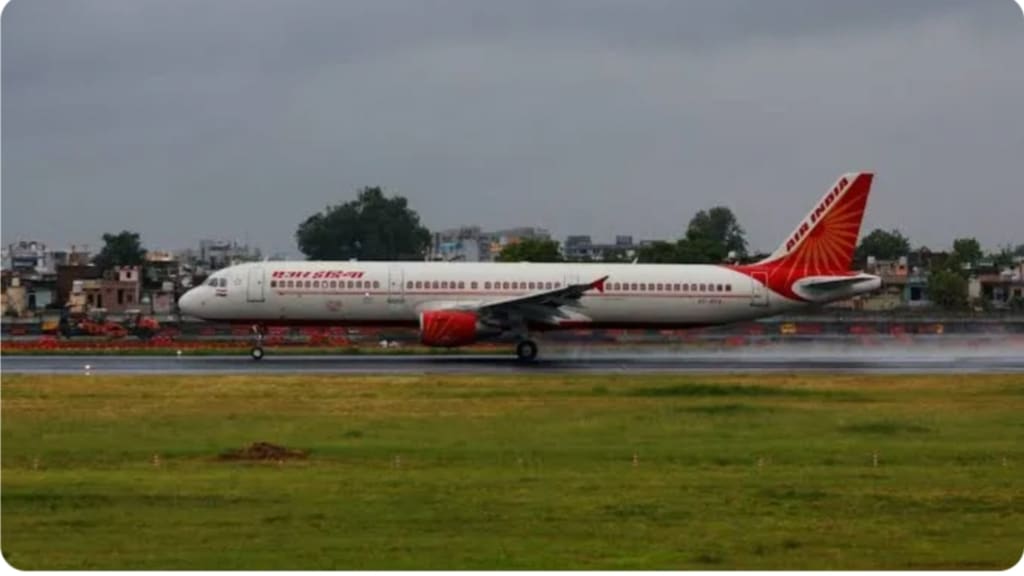
An Air India pilot was removed from duty after allegedly reporting for work under the influence of alcohol, triggering serious safety concerns and prompting Canadian authorities to seek a formal investigation. The incident, which occurred before an international flight, has drawn attention to airline safety protocols, pilot accountability, and the responsibilities of aviation regulators across borders.
While no passengers were harmed and the flight was delayed rather than canceled mid-air, the situation has reignited debates about how airlines monitor crew fitness and how swiftly authorities respond when safety rules are violated.
What Happened Before the Flight
According to reports, the pilot was scheduled to operate an Air India flight departing from a Canadian airport when concerns were raised about his condition. Routine pre-flight checks, which can include alcohol testing depending on jurisdiction and airline policy, reportedly detected alcohol in the pilot’s system.
Airport authorities acted quickly, and the pilot was removed from the aircraft before takeoff. A replacement crew member was assigned, and the flight proceeded after a delay. Passengers were informed of the delay but were not exposed to immediate danger.
Canada’s Response and Call for Investigation
Canadian aviation authorities have since called for a full investigation into the incident. While Air India is an Indian carrier, flights operating in Canadian airspace are subject to Canadian aviation regulations and international safety standards.
Officials have indicated that they want to understand how the pilot was cleared for duty initially, whether airline procedures were followed correctly, and whether systemic issues contributed to the lapse. Canada’s move underscores the seriousness with which aviation safety violations are treated, particularly when they involve alcohol use by flight crew.
Zero Tolerance for Alcohol in Aviation
Aviation authorities worldwide enforce strict zero-tolerance policies regarding alcohol consumption by pilots. Most regulations require pilots to abstain from alcohol for a minimum period—often 8 to 12 hours—before reporting for duty, with some airlines imposing even stricter limits.
Flying an aircraft while impaired poses catastrophic risks. Even small amounts of alcohol can impair judgment, reaction time, and decision-making—skills essential for handling complex aircraft systems and responding to emergencies.
The fact that the pilot was detected before takeoff demonstrates that safety checks worked, but critics argue that prevention should begin long before a pilot reaches the cockpit.
Air India’s Position
Air India has stated that it takes safety violations seriously and has initiated its own internal review. The airline emphasized that it complies with international aviation standards and that appropriate action would be taken in accordance with company policy and regulatory requirements.
In similar past cases, pilots found in violation of alcohol policies have faced suspension, license review, mandatory counseling, or termination, depending on the severity of the incident and prior conduct.
Broader Concerns About Oversight
This incident raises broader questions about how airlines monitor crew readiness and well-being. Pilots operate under demanding schedules, time-zone changes, and high levels of responsibility. While this does not excuse violations, experts argue that airlines must ensure adequate rest, mental health support, and monitoring systems.
Some aviation analysts suggest random testing, peer-reporting systems, and stronger pre-duty screening can reduce risks. Others warn that overly punitive approaches may discourage pilots from seeking help for substance-related issues.
International Accountability in Aviation
Because aviation is inherently international, incidents like this highlight the importance of cooperation between countries. Canada’s request for an investigation reflects a growing emphasis on shared responsibility among regulators, airlines, and governments.
International bodies such as the International Civil Aviation Organization (ICAO) provide frameworks for safety standards, but enforcement often depends on national authorities. When violations occur abroad, coordination becomes essential to ensure transparency and accountability.
Passenger Trust and Public Perception
For passengers, news of a pilot allegedly reporting to duty under the influence can be unsettling. Trust in aviation safety is built on the assumption that multiple layers of protection are in place—and that breaches are rare and swiftly addressed.
While the incident did not endanger passengers directly, it serves as a reminder that vigilance is essential. Airlines must not only enforce rules but also communicate clearly when issues arise to maintain public confidence.
Lessons From the Incident
The swift removal of the pilot demonstrates that safety mechanisms can work when properly applied. However, the incident also reveals gaps that must be addressed, particularly in early detection and prevention.
Experts emphasize that aviation safety depends not on the absence of mistakes, but on the ability to catch and correct them before harm occurs.
Conclusion
The removal of an Air India pilot for alleged alcohol impairment and Canada’s call for an investigation underscore the uncompromising standards required in aviation. While no lives were put at risk, the incident highlights the constant need for vigilance, transparency, and international cooperation.
As air travel continues to rebound globally, maintaining rigorous safety oversight remains non-negotiable. For airlines, regulators, and passengers alike, this episode serves as a stark reminder that even one lapse can have serious implications—and that safety must always come first
About the Creator
Keep reading
More stories from Ayesha Lashari and writers in The Swamp and other communities.
“A Place of Darkness and Light”: The Uninhabited Japanese Island That Became a Rabbit Paradise
Off the coast of Hiroshima Prefecture lies a small island with a complicated past and an unexpectedly gentle present. Ōkunoshima, often called “Rabbit Island,” is today known for its hundreds of friendly, free-roaming rabbits that greet visitors with curiosity and calm. Yet beneath this peaceful image lies a history shaped by secrecy, war, and human suffering—a contrast that has earned the island its reputation as a place of both darkness and light.
By Ayesha Lashari2 months ago in The Swamp
The Saddest Thing - The Billionaires Who Rule America Aren't Even Enjoying Themselves
This single post says more about our ruling class than a thousand policy papers. The saddest thing about today's system is that the men robbing the rest of us - sabotaging our economic prospects, our pensions, our access to affordable healthcare - are not even happy.
By Scott Christenson🌴21 days ago in The Swamp
New World Order In 2026
The phrase “New World Order” has long stirred curiosity, debate, and sometimes fear. For some, it represents a hopeful vision of global cooperation in an increasingly interconnected world. For others, it signals concerns about centralized power, loss of national sovereignty, or hidden political agendas. In reality, the concept is complex and has evolved over time, shaped by historical events, geopolitical shifts, economic systems, and technological revolutions.
By Ibrahim Shah 6 days ago in The Swamp


Comments
There are no comments for this story
Be the first to respond and start the conversation.