
After Danish and U.S. Officials Meet on Greenland, Trump Remains Unmoved
Background: Greenland’s Strategic Importance
Greenland, the world’s largest island, has long been recognized for its geopolitical and economic significance. Rich in natural resources, strategically located between North America and Europe, and home to vital Arctic sea routes, Greenland has become a focal point in global politics.
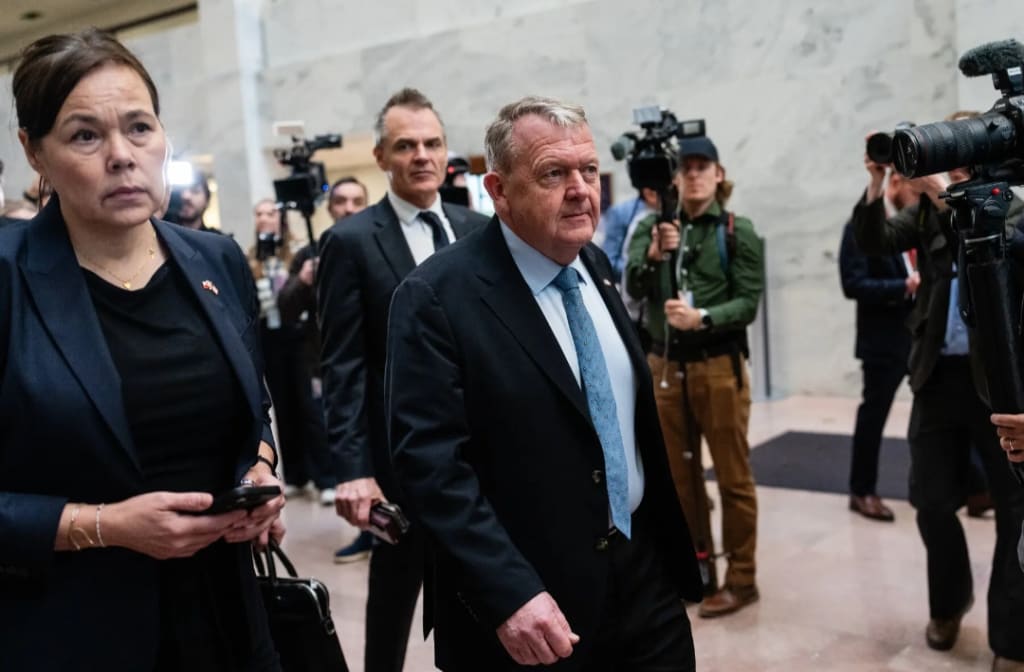
Discussions between U.S. and Danish officials recently focused on Greenland’s future, addressing issues such as defense, infrastructure, and resource development. Denmark oversees Greenland as part of the Kingdom of Denmark, but Greenland maintains autonomous control over internal affairs. This delicate balance has made any discussion involving foreign powers particularly sensitive.
Trump’s Interest in Greenland
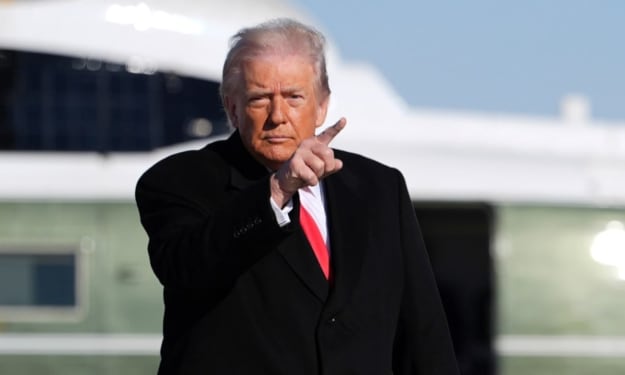
Former President Donald Trump’s interest in Greenland has been well-documented. Reports indicate that Trump viewed the island as strategically valuable and even publicly floated the idea of purchasing it from Denmark. While the notion drew widespread media attention and some ridicule, Trump’s underlying concern was clear: securing U.S. influence in the Arctic region.
Despite recent meetings between Danish and U.S. officials, Trump has reportedly remained unmoved, signaling skepticism about Denmark’s willingness to accommodate U.S. strategic ambitions.
The U.S.-Danish Meeting
The high-level meeting involved diplomats and defense officials from both countries, discussing:
Greenland’s role in Arctic defense strategy
Cooperation on climate monitoring and research
Potential collaboration on resource extraction, infrastructure, and logistics
Maintaining regional security amid growing international interest
While Danish officials emphasized sovereignty and partnership, the discussions aimed to assure the U.S. of Greenland’s strategic value without ceding control.
Trump’s Response
According to sources, Trump expressed frustration at the outcome, suggesting that the meeting did not satisfy U.S. strategic ambitions. His stance reflects a broader foreign policy approach characterized by direct and uncompromising negotiation, particularly regarding territories of strategic importance.
Observers note that Trump’s reaction underscores tensions between U.S. assertiveness and Greenlandic sovereignty, highlighting the challenges of diplomacy in regions with complex governance structures.
Strategic Implications for the Arctic
Greenland’s location makes it critical for Arctic defense, climate research, and shipping routes. For the U.S., maintaining a presence is not just about territory—it is about monitoring Russian and Chinese activity in the Arctic, as well as ensuring safe passage for commercial and military vessels.
Denmark and Greenland, meanwhile, aim to balance foreign interest with local autonomy, leveraging global attention to boost investment and sustainable development. The U.S.-Danish discussions reflect these competing priorities.
Economic Opportunities
Greenland is rich in natural resources, including rare earth elements, minerals, and potential oil and gas reserves. While these resources are a key driver of foreign interest, Greenlandic officials emphasize sustainability and environmental protection.
Trump’s continued focus on Greenland highlights the economic dimension of Arctic geopolitics, where resource control, infrastructure investment, and trade routes intersect with security concerns.
International Reactions
Global powers are closely watching developments in Greenland.
Russia and China have increased Arctic activity, including military exercises and scientific research.
European allies support Denmark’s approach of safeguarding Greenlandic autonomy while fostering partnerships.
NATO monitors Greenland’s strategic position, considering it a potential forward base for Arctic operations.
The situation underscores how Greenland has shifted from a remote territory to a geopolitical chess piece with global ramifications.
Challenges Ahead
The key challenge remains aligning strategic interests with sovereignty and diplomacy. While the U.S. seeks influence, Denmark and Greenland prioritize autonomy, environmental responsibility, and measured foreign engagement. This creates a delicate balancing act for all parties.
Future negotiations will likely require:
Clear agreements on defense collaboration
Respect for Greenlandic decision-making
Sustainable economic development plans
Transparent communication to avoid misunderstandings
What This Means for U.S. Policy
Trump’s continued insistence on Greenland highlights his preference for assertive, results-oriented foreign policy. While other administrations may adopt more nuanced approaches, the focus remains on securing U.S. strategic interests in critical regions.
The episode also demonstrates the limits of influence in autonomous territories, emphasizing the importance of diplomacy, patience, and collaboration.
Conclusion: A Complex Chapter in Arctic Diplomacy
The recent U.S.-Danish discussions on Greenland represent both opportunity and tension. While the meeting sought to foster cooperation, Trump’s reaction illustrates the challenges of reconciling strategic ambitions with sovereignty and diplomacy.
Greenland’s role in Arctic defense, natural resources, and global trade ensures it will remain a critical focus for international attention. Moving forward, success will depend on balancing assertive policy with respect for local governance, collaboration with allies, and strategic foresight.
As the Arctic gains prominence in global geopolitics, Greenland exemplifies the intersection of strategy, economics, and diplomacy, reminding the world that even remote territories can have outsized influence on international relations.
About the Creator
Keep reading
More stories from Aarif Lashari and writers in The Swamp and other communities.
Building High-Performance Teams: Harnessing Team Dynamics
In today’s fast-paced business environment, high-performance teams are the backbone of organizational success. These teams consistently deliver exceptional results, innovate under pressure, and adapt to changing circumstances. But building such a team requires more than simply assembling skilled individuals—it requires understanding and leveraging team dynamics, the invisible forces that influence how members interact, communicate, and collaborate.
By Aarif Lashari5 days ago in The Swamp
Macron Urges EU to Deploy Trade ‘Bazooka’ Against US as Trump Ramps Up Tensions
Tensions between the United States and the European Union have escalated once again, as French President Emmanuel Macron called on EU leaders to deploy a “trade bazooka” in response to what he described as aggressive U.S. trade policies under former President Donald Trump. Macron’s remarks underscore growing frustration in Europe over tariffs, trade restrictions, and economic coercion, and signal a potential shift toward more assertive European countermeasures.
By Muhammad Hassanabout 24 hours ago in The Swamp
Wild Card Weekend Recap: What Happens Now?
I think I figured out why I love Wild Card Weekend so much. It's because it's the first playoff anything of the calendar year. The NFL season starts in the fall, and once upon a time, the champion was crowned either on or slightly before New Year's. The evolution of the NFL schedule has resulted in the playoffs starting just into the New Year, and currently, the final week of the season falls on the first weekend of the New Year, with Wild Card Weekend coming a week after that. So yes, chronologically, the NFL's Wild Card Weekend serves as the first playoff anything of the calendar year.
By Clyde E. Dawkins7 days ago in Unbalanced



Comments
There are no comments for this story
Be the first to respond and start the conversation.