
Afghanistan: The graveyard of nations
Many came, many tried but all failed.

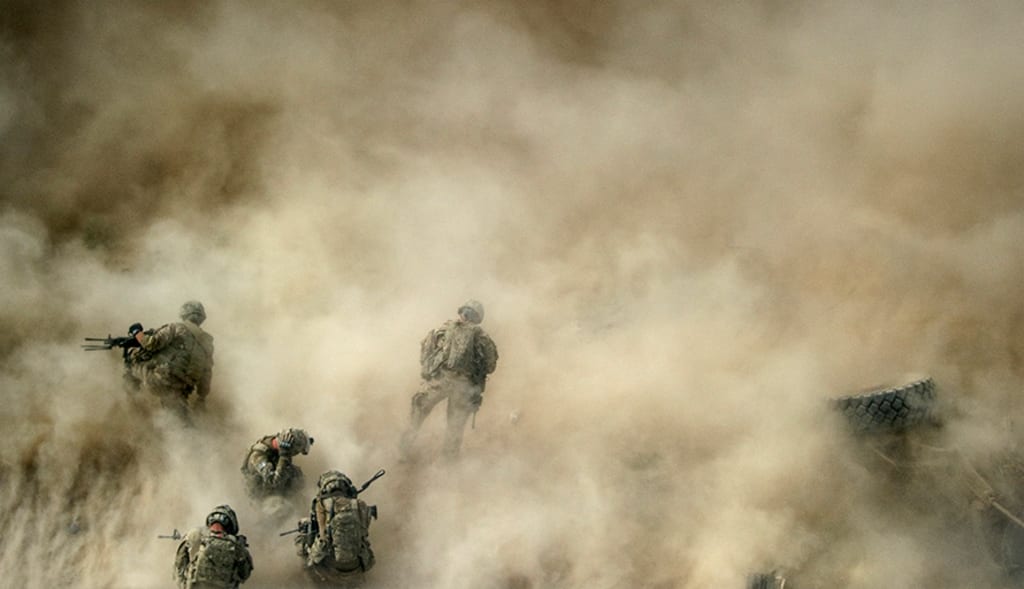
“There is no honorable way to kill, no gentle way to destroy. There is nothing good in war, except its ending.”
-Abraham Lincoln
Afghan Tragedy
Afghanistan has been a battleground of nations for years. There is not much difference between the way the US is leaving the war-torn nation and the way the Soviet Union left almost three decades back.
Soviet Invasion of Afghanistan
The Soviet Union invaded Afghanistan in the year 1979 to install a Communist-led regime. Mikhail Gorbachev became General Secretary of the Communist Party of the Soviet Union in March 1985. By then the Soviet Union had been in Afghanistan for over five years and all their attempts to combat the Mujahideen, most of which were based in Pakistan had been complete a complete waste of time and resources. Soon after Mr Gorbachev took over, he knew in his heart that Soviet Union's quest was futile and in February 1986, he addressed the communist party and he said that Afghanistan has become a ‘bleeding wound’. Pakistan was not at all worried about the Soviet Union crossing the Durand line till the US is behind them. The Soviet Union withdrew from Afghanistan after 10 years of costly armed struggle against Afghan insurgents fully backed by the US, Pakistan, and Saudi Arabia but soon after this Afghanistan sank into civil war. The Taliban, a terrorist organization that was supported by CBI and ISI to fight the Soviet Union had taken control of most of the country by 1998. Little did the US know that history is going to repeat itself and the terrorist organization, Taliban which was supported by the US to fight the Soviet Union is going to haunt them and will become the reason for their withdrawal.

US invasion: repetition of the past
Thirty-two years later, it is the US that is on the receiving end this time. They have failed to combat the Taliban and have finally decided to end their quest. Their purpose to enter Afghanistan was to decimate the terrorist organization Al-Qaida headed by Osama Bin Laden who was responsible for the deadly 9/11 attacks. Their objectives were accomplished on May 2, 2011, when U.S. Navy SEALs swooped down into a high-walled compound in Pakistan and killed Osama bin Laden. But they decided to overstay their welcome and the consequences of that decision are here to see. The reason for the U.S.’s failure was no different from that of the Soviets. This time it was US resident Donald Trump who announced the Afghan policy in August 2017, said,” We can no longer be silent about Pakistan’s safe havens for terrorist organizations, the Taliban, and other groups that pose a threat to the region and beyond. Pakistan has much to gain from partnering with our effort in Afghanistan. It has much to lose by continuing to harbor criminals and terrorists”. Fourteen months after warning Pakistan of serious consequences the US too gave up and they organized diplomatic talks with Taliban representatives in Doha. Like the Soviet Union, the US too accepted the idea of an Afghan interim administration which included the Taliban.
India: the best bet for Afghanistan
With two superpowers already done with their quest, they have left the country in turmoil. Taliban is once again on the verge of establishing its murderous regime. In these five decades of war and destruction in Afghanistan, the only country which was and is with the Aghan people is India. It has supported the infrastructure development projects and given financial assistance to Afghanistan as and when needed. India has been a trustworthy friend of Afghanistan and has always stood in support of Afghanistan during its worst of days. India has a big and decisive role to play now to stabilize the country.
“We want an Afghanistan that is shaped by the dreams of the great Afghan people, not by irrational fears and overreaching ambitions of others.”
-Narendra Modi
About the Creator
Adarsh Kumar Singh
Project Analyst with military training and startup experience. Avid reader, content writer, and passionate about leadership and strategic planning.
Keep reading
More stories from Adarsh Kumar Singh and writers in The Swamp and other communities.
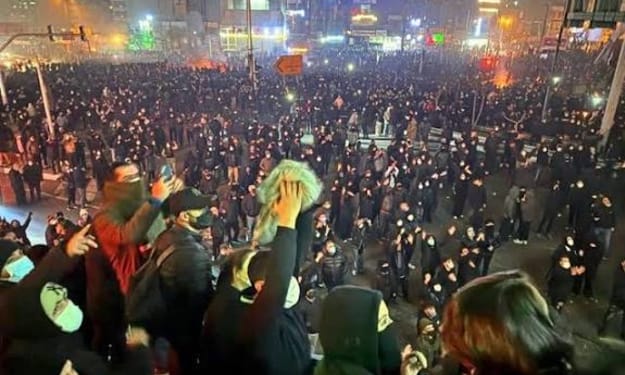
With Crackdown on Protests, Iran’s Government ‘Is Only Buying Time’
How violent repression may fail to stop the deeper crisis shaking the Islamic Republic Iran is once again at a critical juncture. What began as an outcry against economic hardship has grown into a sweeping nationwide protest movement challenging the authority of the Islamic Republic’s leadership. Rather than addressing the structural causes of public anger — spiralling inflation, currency collapse, and widespread frustration with corruption and mismanagement — the government has opted for a forceful crackdown. Yet analysts argue that this strategy may do little more than buy time for a regime under mounting pressure, rather than providing a lasting solution to the country’s deep crises. �
By Fiazahmedbrohi 2 days ago in The Swamp



Comments
There are no comments for this story
Be the first to respond and start the conversation.