
Afghanistan Earthquake 2025: Kunar Province Faces Deadliest Disaster in Decades
A 6.0 magnitude earthquake has devastated Kunar Province, leaving over 2,200 dead, thousands injured, and tens of thousands homeless. Here’s what happened—and why global solidarity is urgently needed.

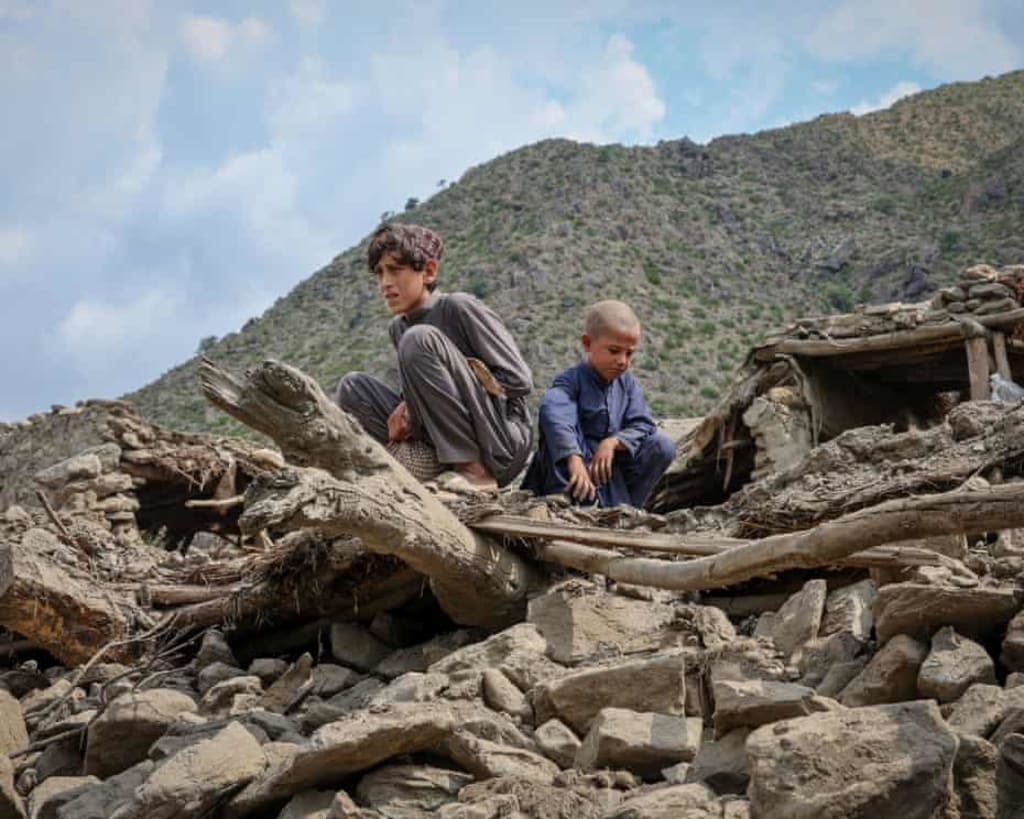
On the night of August 31, 2025, Afghanistan was rocked by a devastating 6.0 magnitude earthquake that struck Kunar Province, specifically the Nurgal District. With its shallow depth of just 8 kilometers, the tremor unleashed unprecedented destruction. Within hours, mud-brick homes collapsed, entire villages were flattened, and terrified families were left scrambling for safety.
What followed was the deadliest earthquake in Afghanistan since 1998, claiming over 2,200 lives and leaving thousands more injured. As aftershocks continued, including a powerful magnitude 5.6 tremor on September 4, the humanitarian crisis deepened.
We explores the impact of the Afghanistan earthquake 2025, the plight of survivors, and the urgent need for international solidarity.
Key Facts About the 2025 Afghanistan Earthquake
- Date: August 31, 2025
- Magnitude: 6.0
- Epicenter: Nurgal District, Kunar Province
- Depth: 8 km (shallow, making destruction more intense)
- Casualties: 2,200+ confirmed deaths, 4,000+ injured
- Affected Population: More than 84,000 people displaced or impacted
The earthquake was so powerful that tremors were felt across eastern Afghanistan and even into parts of Pakistan. Kunar, a province known for its rugged mountains and isolated valleys, became the epicenter of destruction.
Families Torn Apart
For the people of Kunar, the disaster struck at the worst possible time. Many families were asleep when their homes collapsed. Entire households vanished beneath rubble, leaving survivors to dig with their bare hands in search of loved ones.
Reports from local residents describe harrowing scenes:
- Villages buried by landslides triggered by the quake.
- Mothers carrying injured children miles to the nearest health center.
- Families sleeping in the open, fearful of aftershocks.
One survivor told reporters, “We lost everything in seconds. My children are gone, and now we don’t even have shelter.”
The tragedy highlights the vulnerability of Afghanistan’s rural population, where most homes are built from mud bricks that cannot withstand seismic shocks.
Why Was the Impact So Deadly?
Several factors explain why the 2025 Afghanistan earthquake has become one of the most catastrophic in recent history:
1. Shallow Depth: At only 8 km deep, the quake’s force was concentrated on the surface.
2. Fragile Infrastructure: Most homes in Kunar and surrounding provinces are made of unreinforced mud bricks.
3. Remote Geography: Mountainous terrain and poor road networks delayed rescue efforts.
4. Communication Breakdown: Destroyed power lines and phone networks left villages cut off.
5. Humanitarian Shortages: Years of conflict and funding cuts left aid organizations unprepared.
Survivors Facing a Humanitarian Emergency
The earthquake didn’t just take lives—it left tens of thousands with nothing. Aid agencies estimate that 84,000 people have been directly affected.
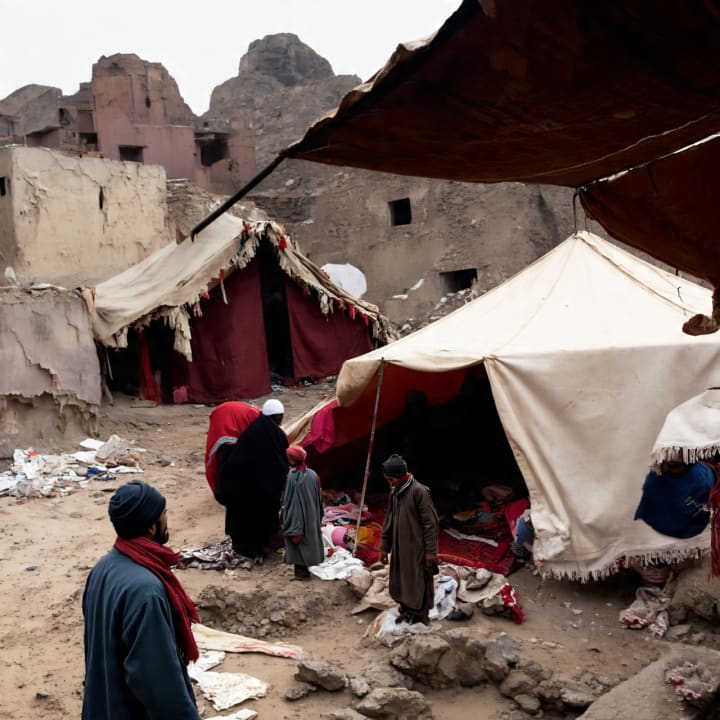
- Shelter Crisis: Thousands are sleeping outdoors under makeshift tents, vulnerable to rain and cold nights.
- Medical Shortages: Hospitals are overwhelmed with injuries ranging from fractures to head trauma. The World Health Organization warns of a $3 million shortfall in medical aid.
- Food Insecurity: The World Food Programme says it can sustain food aid for only four more weeks without fresh funding.
- Psychological Trauma: Survivors are living in constant fear as aftershocks shake their already fragile homes.
The Norwegian Refugee Council revealed it has only $100,000 available against a need for $2 million to respond effectively. This funding gap means thousands may remain without food, medicine, or safe water.
Global Response: Too Little, Too Slow?
International aid has trickled in, but many Afghans say the response has been far too slow. Geopolitical tensions and restrictions under the Taliban regime complicate the ability of foreign governments and NGOs to deliver aid directly.
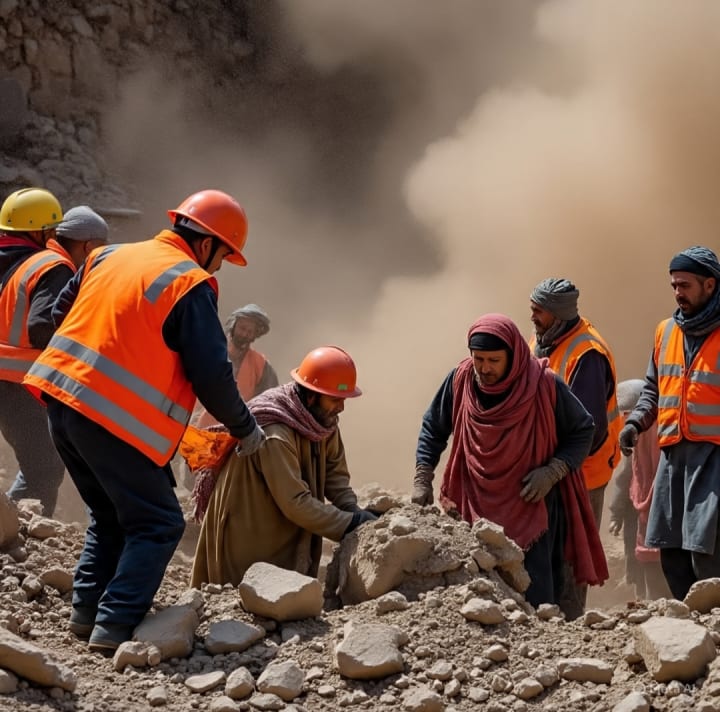
Countries in the region, along with global organizations, have pledged support, but logistical challenges remain. Helicopters, bulldozers, and trained rescue dogs—crucial for earthquake response—are scarce.
Humanitarian leaders warn that unless urgent action is taken, the death toll could rise further due to untreated injuries, disease outbreaks, and exposure.
Comparing the 2025 Quake to Past Afghan Earthquakes
Afghanistan is no stranger to seismic disasters. The country lies near the boundary of the Indian and Eurasian tectonic plates, making it highly earthquake-prone.
- 1998 Takhar Earthquake: Killed over 4,000 people.
- 2002 Hindu Kush Quake: Claimed 1,000 lives.
- 2022 Paktika Earthquake: Left 1,000 dead and 1,500 injured.
The Kunar Earthquake of 2025 now joins this grim list, standing out as the most lethal quake in nearly three decades.
What Needs to Happen Next?
To prevent this tragedy from spiraling into an even greater humanitarian catastrophe, experts recommend urgent steps:
1. Immediate Relief Aid: Food, medical kits, and emergency shelters must be delivered within days, not weeks.
2. Funding Boost: Donor countries and international organizations must close the multi-million-dollar funding gap.
3. Infrastructure Investment: Afghanistan needs earthquake-resistant housing projects in vulnerable provinces.
4. Community Training: Local volunteers should be trained in search-and-rescue to act quickly when disasters strike.
Without these measures, Afghanistan will remain dangerously vulnerable to future earthquakes.
A Call to Global Solidarity
The Afghanistan earthquake in Kunar Province is more than just a local disaster—it is a human tragedy with global implications. Every statistic—2,200 dead, 4,000 injured, 84,000 affected—represents real people, families, and futures destroyed.
In a world connected by shared humanity, silence is not an option. The international community must come together to provide not only emergency aid but also long-term solutions that ensure Afghanistan’s people can rebuild their lives in safety.
Conclusion
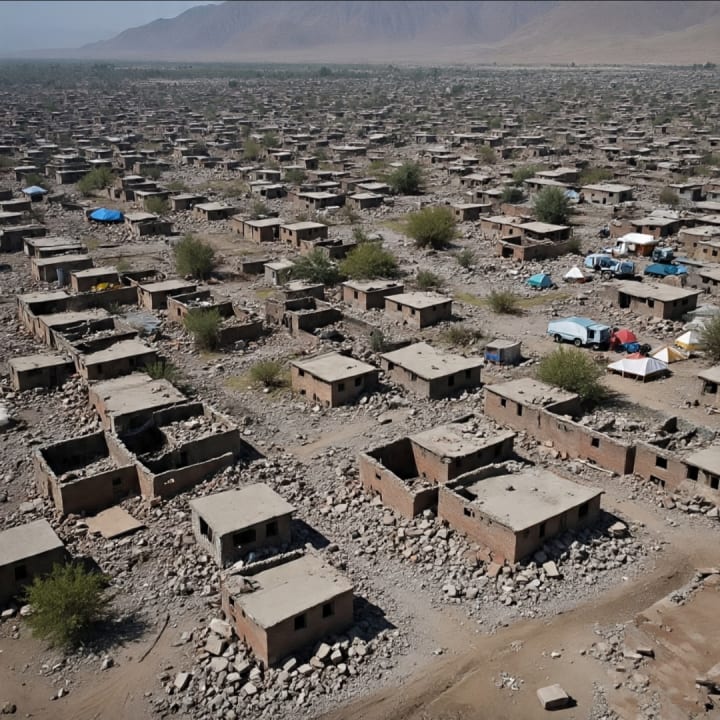
The 2025 Afghanistan earthquake in Kunar has exposed the fragility of life in one of the world’s most disaster-prone regions. With thousands dead and survivors facing hunger, homelessness, and trauma, the crisis is far from over.
For Vocal readers, this is more than just breaking news—it’s a call to awareness, empathy, and action. Share this story, spread the word, and amplify the voices of those who have been silenced by rubble. Because in times like these, global solidarity is the only path to healing.
About the Creator
The Narrative Hub
Your daily destination for the most compelling stories and insightful articles. At The Narrative Hub, we bring you trending topics, human experiences, and thought-provoking narratives—all in one place.
Keep reading
More stories from The Narrative Hub and writers in The Swamp and other communities.
Inside The Bank Job 2025: The Untold Secrets of Real Heists That Inspired Hollywood Thrillers
When whispers of The Bank Job 2025 began surfacing online, thriller fans and true-crime enthusiasts lit up with excitement. Whether the film turns out to be a reboot, a sequel, or simply a fan-made dream, one thing is certain: heist movies have always captured our imagination. Why? Because many of them are inspired by real-life robberies—crimes so daring that they sound like fiction, yet they actually happened.
By The Narrative Hub5 months ago in The Swamp
Decision Time for Trump on Iran — But What Does He Ultimately Want?
In early 2026, President Donald Trump has once again brought Iran to the forefront of U.S. foreign policy — and the world is watching closely. With nationwide protests in Iran, a brutal government crackdown, and Washington weighing economic and military pressure, Trump faces a pivotal decision: how far should the U.S. push Tehran, and to what end? This moment is not just about strategy — it’s about Trump’s broader objectives and what he ultimately wants from one of the most contentious relationships in global politics.
By Fiaz Ahmed Brohi5 days ago in The Swamp



Comments
There are no comments for this story
Be the first to respond and start the conversation.