
A New American Missile-Mounted Buggy Has Already Scored Over 20 Kills Against Russian Shaheds in Ukraine, Crew Says
Small, Fast, and Lethal: How a U.S. Missile-Mounted Buggy Is Turning the Tables on Russian Drone Attacks in Ukraine”

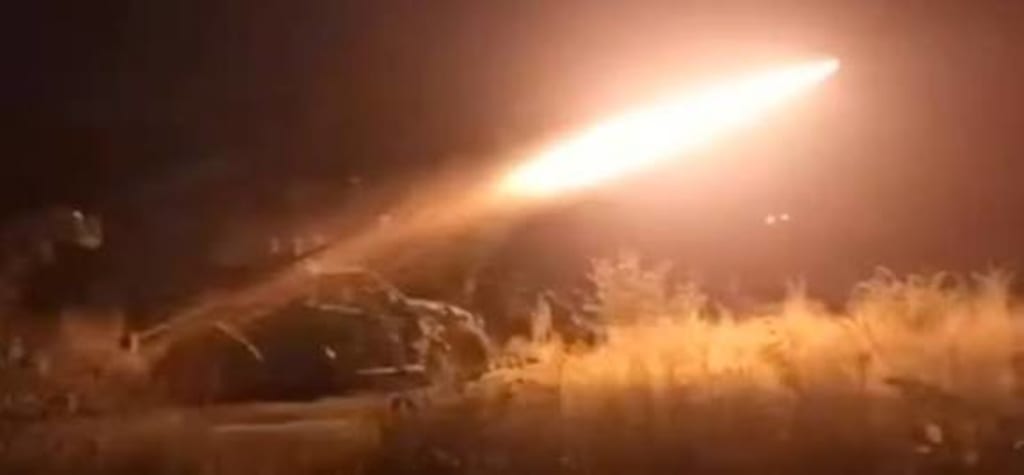
In the ever-evolving battlefield of Ukraine, innovation has often been the deciding factor between survival and catastrophe. The latest addition to this ongoing conflict is a small but remarkably lethal weapon: an American-built missile-mounted buggy, designed to hunt and destroy Russian Shahed drones. According to the crew operating the vehicle, it has already recorded more than 20 confirmed kills, marking a significant milestone in Ukraine’s defensive capabilities.
This nimble, off-road vehicle is more than just a tactical novelty; it represents a shift in how modern militaries approach asymmetric threats. The Shahed drones, widely deployed by Russia, have become infamous for their ability to bypass traditional anti-air defenses, delivering precision strikes on strategic locations. They are relatively inexpensive yet highly effective, creating a unique challenge for Ukrainian forces. The missile-mounted buggy offers a targeted solution, combining mobility, speed, and advanced missile systems in a single, compact platform.
Crew members describe the buggy as a game-changer. “It’s fast, highly maneuverable, and precise,” said one operator speaking under the condition of anonymity for security reasons. “We can deploy it in areas where larger systems can’t reach, and it gives us a chance to neutralize Shaheds before they cause damage.” Equipped with state-of-the-art tracking systems and guided missiles, the vehicle can identify and destroy incoming drones from a safe distance, minimizing risk to personnel and infrastructure.
The development of this buggy reflects a broader trend in modern warfare: the rise of lightweight, flexible systems designed to counter evolving threats. While traditional anti-aircraft installations rely on static positioning and large-scale infrastructure, mobile units like this buggy can be repositioned quickly, making them harder targets and allowing for more responsive defense measures. This is particularly important in Ukraine, where the frontlines are fluid, and attacks can come from unexpected directions.
U.S. support in providing this technology demonstrates the strategic depth of the American commitment to Ukraine. While the vehicles are relatively small and unassuming, their impact has been significant. Analysts suggest that the ability to neutralize even a fraction of Russia’s drone attacks can have a profound effect on battlefield outcomes, protecting key supply lines and reducing civilian casualties. Moreover, the psychological impact on enemy forces should not be underestimated: the knowledge that these drones can now be intercepted reliably adds a layer of deterrence against further aggression.
The success of the buggy also raises questions about the future of drone warfare. With adversaries increasingly relying on unmanned systems, countermeasures like missile-mounted buggies may become standard in modern militaries. Ukraine’s experience could serve as a blueprint for other nations seeking to defend against drone incursions without investing in costly and cumbersome air defense networks. Mobility, rapid deployment, and precision are becoming the hallmarks of effective modern defense strategy.
However, the operation of these buggies is not without challenges. Crew members must maintain constant vigilance, as the small vehicle offers limited protection from direct fire. Weather conditions and terrain also play critical roles in operational effectiveness. Despite these hurdles, the reported success of over 20 Shahed eliminations underscores the buggy’s potential when deployed effectively and with skilled operators.
Experts also note that the innovation behind these buggies reflects a larger strategic lesson: the need for adaptability. Russia’s use of drones in Ukraine was initially underestimated, highlighting vulnerabilities in traditional defense systems. By quickly deploying mobile, precise countermeasures, Ukraine—and by extension, its allies—demonstrates that technological agility can shift the balance even in asymmetrical warfare.
In conclusion, the American missile-mounted buggy exemplifies the evolving nature of conflict in the 21st century. Small, fast, and highly capable, it is designed to meet a very specific threat but may have broader implications for how militaries worldwide confront unmanned systems. Ukraine’s reported success against Russian Shaheds offers a glimpse into a future where nimble, adaptive technology can offset even the most unconventional tactics, potentially saving lives and altering the course of modern combat.
While the war in Ukraine continues to unfold, one thing is clear: innovation, flexibility, and technological precision are becoming as decisive as sheer firepower. The buggy, modest in appearance but formidable in effect, may symbolize the next chapter in defensive warfare—where mobility, intelligence, and rapid response define who prevails.
About the Creator
Fiaz Ahmed Brohi
I am a passionate writer with a love for exploring and creating content on trending topics. Always curious, always sharing stories that engage and inspire.
Keep reading
More stories from Fiaz Ahmed Brohi and writers in The Swamp and other communities.
Trump Warns of ‘Very Strong Action’ if Iran Executes Protesters as Death Toll Exceeds 2,400
The international spotlight is once again on Iran as unrest continues to grip the nation following widespread protests against the government’s policies and heavy-handed suppression of dissent. Former U.S. President Donald Trump has issued a stern warning to Tehran, stating that the United States could take "very strong action" if Iran moves forward with executing protesters, a warning that underscores growing global concern over the country’s human rights record.
By Fiaz Ahmed Brohi5 days ago in The Swamp


Comments
There are no comments for this story
Be the first to respond and start the conversation.