
A Look Ahead
Key Trends Shaping the Smartphone Landscape in 2026

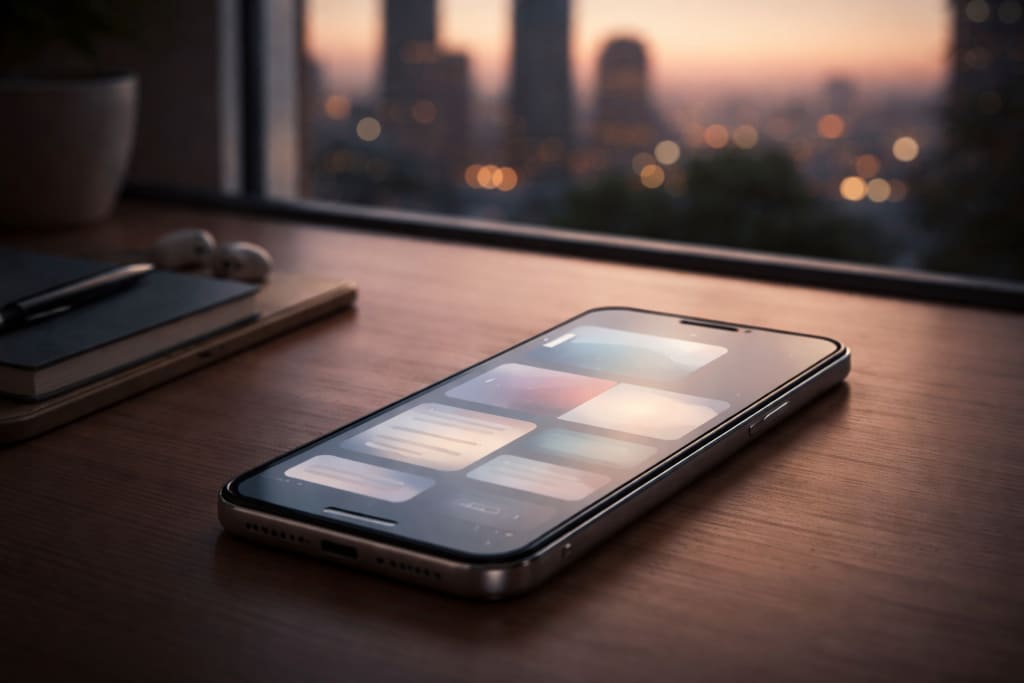
The way people engage on cellphones has been the same for years. A new year comes, leaks come out, specifications get louder, and our screens are assaulted with promises of "the biggest upgrade yet." But as we approach closer to 2026, things look different. Not because smartphones are suddenly fresh and exciting again, but because the way people use their phones is changing.
I've seen it in comments on the internet, in informal chats, and even in my own habits. People are asking less routinely which CPU is the fastest. More consumers are wondering if a phone is trustworthy, lasts all day, and doesn't get in the way when it's not essential. The smartphone ecosystem in 2026 isn’t being characterized by one big technology. It’s being impacted by subtler alterations in priorities.
These are the trends that truly matter, not the ones that appear good on paper but don't really affect how people use their phones.
The Slow Death of Spec Obsession
There was a period when basic specifications were the major focus of every disagreement. More megapixels. More cores. Higher refresh rates. Bigger figures were simpler to convey and easy to compare. But by 2026, spec frenzy is losing its grip on typical consumers.
Most customers now know that a phone with top-tier specs doesn’t automatically deliver a greater experience. A quicker CPU means little if the UI feels congested. A better refresh rate doesn’t matter if battery concern follows you all day. What’s evolving instead is a focus on balance.
Manufacturers are subtly adjusting performance to feel constant rather than unexpected. The purpose isn’t to win benchmark charts; it’s to minimize latency, overheating, and unexpected slowdowns over time. This predisposition may not make major news, but it’s deciding how happy customers feel six months after purchase—long after the pleasure departs.
In 2026, performance is less about speed and more about stability.
AI That Has to Earn Its Place
Artificial intelligence has been pervasive in smartphone marketing for years, often promising more than it delivers. By now, customers are suspicious. They’ve seen features released with huge fanfare, only to be forgotten after a few updates.
That distrust is demanding a change. AI is under pressure to defend itself in 2026. Features that genuinely save time—like enhanced text suggestions, contextual reminders, or simple design adjustments—are gaining popularity. Features that exist purely for demonstrations are discreetly disregarded.
What’s changing isn’t the presence of AI, but how it’s appraised. Users no longer care whether it is designated “AI-powered.” They worry whether technology performs properly, respects privacy, and doesn’t interfere with everyday use. If an AI feature requires explanation or correction every time, it’s already failed.
The trend here is subtle but important: AI is becoming invisible. When it works, no one notices. When it doesn’t, they turn it off. In 2026, that concealed usefulness is the true demand.
Battery Life as a Daily Experience, Not a Spec Sheet
Battery capacity estimates continue to grow, but they’ve stopped expressing the entire story. A larger battery doesn’t inevitably correlate to increased screen time, and buyers know it. What matters nowadays is how a phone functions throughout an entire day of unexpected use.
In 2026, battery developments are focused on efficiency rather than physical force. Smarter background management, adaptive charging, and actual power-saving modes are becoming more crucial than headline charging speeds. Many people would rather have a phone that charges slowly but consistently than one that boasts fast speeds but loses battery life.
There’s also better knowledge of pricing methods. Phones are starting to serve users instead of astound them—pausing charging overnight, learning typical tasks, and favoring lifetime. It’s not spectacular, but it solves a crucial issue people have lived with for years.
Battery life is no longer about “how fast can I charge?” but “can I stop worrying about it?”
Cameras Designed for Use, Not Comparison
Camera technology has reached a level where most smartphones are now capable of capturing good images under favorable situations. In 2026, the camera conversation is evolving away from rivalry to usefulness.
Consumers are fed up with sophisticated camera programs whose promise they find tough to execute. They want cameras that open fast, focus properly, and offer consistent results without any tinkering. The aim is working toward acceptable defaults rather than unlimited possibilities.
Computational photography still plays a role; however, the emphasis is toward moderation. The “look” of smartphone photographs is growing softer, more natural, and less aggressive.
This strategy mirrors a wider change: customers seek cameras that capture occurrences without requiring care. In 2026, the greatest smartphone cameras are the ones you don’t have to worry about.
Feature Fatigue and the Return of Simplicity
Over time, smartphones have developed functionalities faster than customers can grasp them. Menus become deeper, settings increase, and interfaces get crowded. By 2026, feature fatigue is real.
Users increasingly select phones that seem serene. Clean interfaces, few interruptions, and real personalization are replacing novelty elements. The inclination isn’t toward simplicity for its own goal but toward clarity.
This is especially visible in notification processing and system architecture. People seek control over what reaches them and when. Phones are progressively becoming better at standing back—reducing bothersome reminders, organizing information appropriately, and letting users focus.
Simplicity doesn’t mean less capability. It indicates fewer distractions between the user and what they’re seeking to achieve. In 2026, that restraint will become a competitive advantage.
Longevity and Software Trust
One of the most critical challenges affecting the smartphone ecosystem in 2026 is trust. Not just confidence in hardware, but trust in software support.
Users are paying greater attention to how long a phone continues operating. Software updates aren’t merely about new features anymore; they’re about consistency, security, and predictability. Sudden design overhauls or deleted components could look like a betrayal rather than an upgrade.
Manufacturers are understanding that long-term support generates loyalty. Stable updates, thorough changelogs, and respect for established standards matter more than dramatic redesigns. People don’t want their phone to feel unfamiliar every year.
Longevity is no longer a bonus—it’s something expected. In 2026, the phones people advise aren’t frequently the newest ones, but the ones that aged best.
Sustainability Beyond Marketing Language
Sustainability has become a popular notion; however, people are increasingly able to identify the difference between marketing and actual change. In 2026, environmental inclinations are going beyond recycled packaging into major problems.
Repairability, availability of components, and long-term use are becoming part of buying considerations. A phone that lasts four or five years inevitably minimizes waste, regardless of how green its packaging professes to be.
There’s also greater interest in transparency. Users want to know how gadgets are made, maintained, and eventually deleted. Sustainability isn’t just about materials; it’s about obligations across a product’s life cycle.
This propensity may not dominate advertising efforts, but it silently affects confidence and business image.
The Emotional Relationship With Phones Is Changing
Perhaps the most overlooked propensity is emotional. Smartphones are no longer symbols of grandeur or excitement in the manner they formerly were. For many folks, they’ve become utilities—important, nearby, but no longer intriguing.
In 2026, people are evaluating what a “good phone” implies. It’s not the one that provides the greatest promises. It’s the one that fits seamlessly into life, needs the least care, and rarely causes misery.
This emotional transformation explains why little accomplishments now matter more than big objectives. Reliability, comfort, and familiarity are prevailing over innovation.
Looking Ahead Without the Hype
The smartphone ecosystem in 2026 isn’t established by a single breakthrough or huge leap forward. It’s fashioned by maturity. Phones are settling into their place as everyday necessities rather than objects of surprise.
The trends that matter are quiet ones: efficiency over grandeur, usefulness over spectacle, and trust over hype. For users, that’s a positive direction. It shows fewer reasons to upgrade rapidly and more reasons to be content with what they presently have.
As we go ahead, the most exciting telephones won’t be the ones that yell the loudest. They’ll be the ones who discreetly complete their job—and let others get on with their lives.
Disclaimer
This article reflects personal observations and analysis based on current industry trends and user behavior. Smartphone features, software support, and design approaches may vary by manufacturer and region. No brand, product, or future release details are confirmed unless officially announced.
About the Creator
abualyaanart
I write thoughtful, experience-driven stories about technology, digital life, and how modern tools quietly shape the way we think, work, and live.
I believe good technology should support life
Abualyaanart
Keep reading
More stories from abualyaanart and writers in The Swamp and other communities.
The Galaxy S26 Finally Has a Real Launch Window and It’s Not What Samsung Usually Does
For months, the Galaxy S26 has resided in that peculiar spot where tech aficionados know it’s coming, but no one can predict precisely when it will come. Samsung’s flagship phones normally follow a regular schedule, but this year, that rhythm altered—just enough to make many question whether anything was unusual behind the scenes.
By abualyaanart8 days ago in The Swamp




Comments
There are no comments for this story
Be the first to respond and start the conversation.