
2024 U.S. Election Faceoff
Will Kamala Harris or Donald Trump Secure Americas Future?

Explore the pivotal 2024 US Election showdown between Kamala Harris and Donald Trump, examining key issues, campaign strategies, and voter dynamics that could shape Americas future.
Overview of the 2024 Election Landscape
The 2024 U.S. election is shaping up to be one of the most contentious contests in recent memory, with both Kamala Harris and Donald Trump rallying polarized support bases. The evolving political climate, marked by deep divisions among Americans, has led to heightened stakes as both candidates vie for the presidency. Key social issues, including climate change and reproductive rights, are expected to significantly influence voter turnout and engagement. For instance, polling data indicates that young voters are increasingly prioritizing environmental policies as they consider which candidate to support.
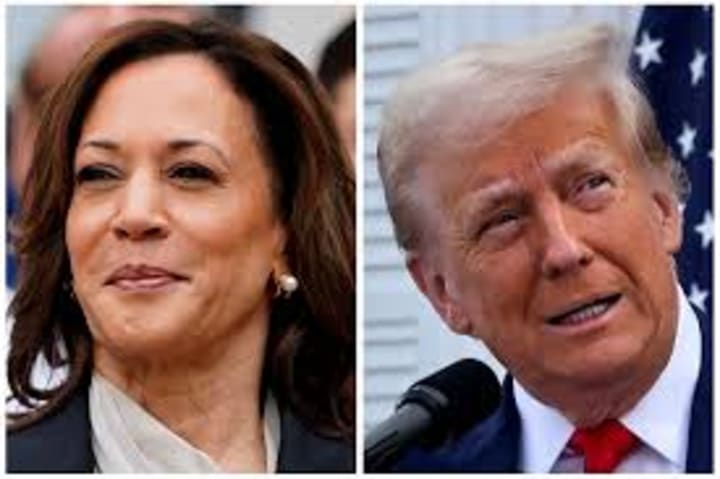
As both candidates prepare for the election, the stakes are high, not only for their political futures but also for the direction of the nation. Engaging voters on critical issues and effectively communicating their visions for the future will be essential for both campaigns. The intense scrutiny from the media and public will amplify the importance of each candidate's messaging, as voters seek clarity on how their choices will affect the country's trajectory. The election is anticipated to attract historical levels of media coverage, further engaging voters in the political process and shaping opinions leading up to election day.
Political Background of Kamala Harris
Kamala Harris brings a wealth of experience as a progressive advocate, having championed causes like criminal justice reform and healthcare expansion. Her policies resonate particularly with younger voters who are keen on social change and equality, making her a compelling candidate for those eager for a shift in the political landscape. However, she faces challenges in solidifying support among moderates, many of whom may be wary of her progressive agenda and the implications it has for more centrist policies. The balancing act of appealing to both sides will be crucial as she seeks to broaden her electoral base.
Harris's tenure as Vice President has positioned her as a key player in addressing pressing national issues, such as the COVID-19 pandemic. Her visibility in this role has allowed her to connect with voters on a personal level, although it also means her record is under considerable scrutiny as she campaigns for the presidency. For example, her involvement in vaccine distribution efforts has been highlighted in her campaign messaging, showcasing her capabilities in crisis management. Nevertheless, the potential backlash from those who disagree with her past decisions could shape her path in the presidential race.

Moreover, Harris's background as the first female Vice President and first woman of South Asian and African American descent to hold the office adds another layer of complexity to her campaign. She embodies a shift towards diversity in leadership, which may resonate with voters who prioritize representation in government. However, this aspect of her identity can also become a focal point for critics who seek to undermine her qualifications based on gender and race. Therefore, navigating the dynamics of identity politics will be essential for Harris as she strives to present herself as a unifying candidate capable of leading all Americans.
Political Background of Donald Trump
Donald Trump remains a formidable presence in the Republican Party, wielding considerable influence over candidate selections and party platforms even after his presidency. His "America First" policies continue to resonate with a large segment of the electorate, particularly among rural voters who feel their needs are often overlooked by traditional political establishments. The loyalty he commands among his base has been demonstrated through various rallies where he energizes supporters with promises of job creation and economic revitalization.
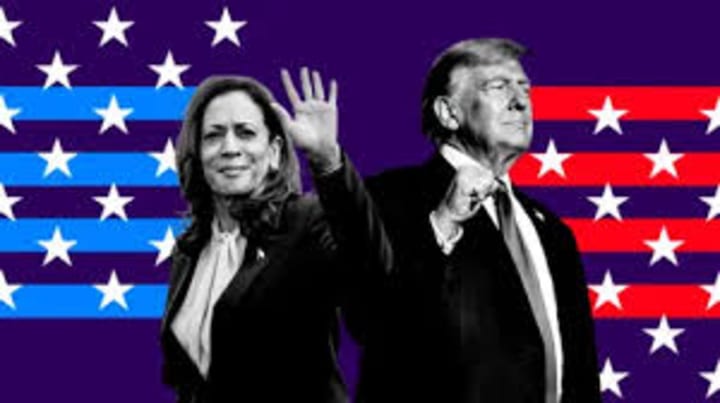
Trump's experience as a businessman has shaped his economic policies, which emphasize deregulation and tax cuts as pathways to economic growth. This approach appeals to voters who prioritize economic revival and job creation, setting the stage for a clash of ideologies as he faces off against Harris. His commitment to reducing corporate taxes and fostering an environment conducive to business growth has garnered support from the business community, which views him as a champion of free enterprise.
Additionally, Trump's ongoing focus on immigration policies continues to resonate with his base, as many of his supporters view border security as a key national priority. His administration's past initiatives, such as building the wall and stringent immigration enforcement, are pivotal talking points that he is likely to re-emphasize during his campaign. However, this stance also alienates a significant portion of the electorate who advocate for comprehensive immigration reform and a more compassionate approach to the issue, illustrating the ideological divides that characterize the current political landscape.

Key Issues Shaping the 2024 Election
Several key issues are emerging as pivotal in the 2024 election, most notably climate change, national security, and education reform. Voters are increasingly concerned about candidates' plans to address environmental challenges, pushing climate policy to the forefront of political discussions. For instance, a recent survey found that a majority of voters prioritize climate action when deciding which candidate to support. As the effects of climate change become more apparent, candidates will need to present robust plans that address sustainability and environmental protection.
National security concerns, particularly in relation to international relations and military readiness, remain a top priority for many Americans who wish to see a strong stance on these issues. Voters are looking for candidates who can demonstrate their capability to navigate complex geopolitical landscapes while ensuring the safety and security of the nation. Furthermore, the ongoing tensions in various regions, including the Middle East, demand clear strategies that resonate with the electorate's desire for a stable and secure world.
Education reform—encompassing accessible quality education and student debt relief—has also become a focal point that both candidates must address. The rising cost of education and the burden of student debt are pressing issues for many young voters, who are seeking candidates that prioritize education as a means of achieving economic stability. Harris has proposed ambitious plans aimed at reforming educational access, while Trump has tended to focus on school choice and educational freedom, highlighting their differing approaches to a common challenge. As both candidates outline their strategies, they will need to articulate clear and actionable policies that resonate with voters' concerns.
Analysis of Campaign Strategies: Kamala Harris
Harris's campaign strategy prominently features grassroots movements aimed at mobilizing a strong volunteer base, especially among younger voters. By emphasizing coalition-building with minority communities, she seeks to strengthen her voter base and ensure a broad support network. For example, her campaign has organized events and initiatives to engage young voters in discussions about climate change and social justice, which are pivotal issues for this demographic. This grassroots engagement not only helps to energize her supporters but also fosters a sense of community and shared purpose.
Digital campaigning, particularly through social media engagement, plays a crucial role in her outreach efforts, allowing her to connect personally with voters and address their concerns quickly. Harris has effectively utilized platforms like Twitter and Instagram to share her message and interact with constituents, creating a more relatable and accessible image. This approach contrasts with more traditional campaigning methods and allows for real-time responses to current events, which can be a powerful tool in shaping public opinion.
Moreover, Harris's campaign is likely to focus on building a narrative around unity and progress, appealing to voters who are weary of division and partisanship. Her messaging will emphasize her commitment to inclusivity and working towards common goals, positioning her as a candidate who can bridge divides and unite the country. This strategy is essential in a political climate marked by polarization, as it seeks to attract both traditional Democrats and disenchanted independents who may be looking for a fresh perspective.
Analysis of Campaign Strategies: Donald Trump
Trump's approach to campaigning heavily relies on energizing his base through large rallies and public appearances in key states. His strategy involves relentless criticism of Harris's record and attempts to link her to the unpopular policies of the current administration, which he argues are detrimental to the nation. The high-energy rallies serve not only to galvanize his loyal supporters but also to create a spectacle that draws media attention, amplifying his message.
His campaign focuses on attacking Harris's past decisions and linking her to the perceived failures of the Biden administration. For example, Trump has consistently criticized Harris's handling of issues such as immigration and crime, framing her as part of a larger narrative of Democratic failures. This tactic aims to create doubt among potential voters about her capabilities and to solidify his base's commitment to his candidacy.
Additionally, Trump’s messaging often includes populist themes, appealing to working-class voters disillusioned with traditional politics. He positions himself as an outsider willing to challenge the establishment and advocate for the "forgotten man." This narrative resonates particularly in regions that have felt ignored by political elites, further solidifying his support among those who seek change. Trump's ability to connect with these voters on an emotional level is a key component of his campaign strategy.
The Importance of Swing States
Swing states like Arizona, Georgia, and Michigan are expected to be battlegrounds that could ultimately decide the election outcome. Historical voting trends indicate that small shifts in voter sentiment within these states can lead to significant changes in electoral votes, making them critical areas of focus for both campaigns. For instance, the narrow margins by which Biden won these states in 2020 highlight their volatility and the importance of targeted campaigning.
Recognizing this, both Harris and Trump are investing heavily in outreach efforts to engage potential voters in these states. Their ability to resonate with the unique concerns of residents in swing states could be pivotal in securing a path to victory in November. Strategies may include tailored messaging that speaks to local issues like economic recovery and healthcare, which are often top priorities for voters in these regions.
Moreover, the dynamics of voter turnout in swing states can significantly influence the election outcome. Both campaigns are likely to focus on mobilizing their bases while also swaying undecided voters through targeted advertisements and local events. Engaging with communities through door-to-door canvassing, town halls, and community events will be critical as both candidates seek to establish a presence that resonates with the electorate.
Voter Demographics and Their Impact
Voter demographics are increasingly influential in shaping the outcome of the 2024 presidential race. Millennial and Gen Z voters are becoming pivotal players, with many prioritizing issues such as climate change and social justice in their voting decisions. Recent studies show that these younger voters are more likely to support candidates who advocate for progressive policies, making their engagement crucial for Harris, who has positioned herself as a champion of these issues.
Additionally, suburban women—who tend to lean toward candidates focusing on education and healthcare—are another crucial demographic that could sway the election. Data indicates that this group is increasingly concerned about issues like reproductive rights and public health, making them a key target for both campaigns as they aim to capture their votes.
The Hispanic voter demographic is also growing in influence, prompting candidates to tailor their messages to address their specific concerns and interests. Both Harris and Trump are expected to campaign in ways that resonate with this group, recognizing their potential to tip the scales in crucial battleground states. Effective outreach strategies could include policy proposals that address immigration reform and economic opportunities, which are particularly relevant to many Hispanic voters. Understanding these demographic shifts is vital for both candidates as they develop strategies to appeal to a diverse electorate.
Polling Data and Public Opinion
Current polling data reveals that approximately 55% of voters express dissatisfaction with the state of the nation, a sentiment that could significantly influence their choices in the upcoming election. This dissatisfaction is rooted in various issues, including economic concerns, healthcare accessibility, and public safety, all of which are pivotal in shaping voter preferences. Independent voters, often seen as the deciding factor in elections, are currently leaning towards Harris, driven by concerns about Trump's past presidency and the impact of his policies on their lives.
Public perception of each candidate's ability to handle crises—be it economic downturns or public health emergencies—is greatly impacting voter sentiment. For instance, voters may look to Harris's experience in managing the COVID-19 pandemic as a positive factor, while Trump's handling of similar issues may be scrutinized. As the election approaches, both candidates will need to address these concerns and present themselves as capable leaders who can effectively navigate the challenges facing the nation.
Moreover, the role of media coverage in shaping public opinion cannot be underestimated. The narratives constructed by news outlets and the portrayal of each candidate can sway undecided voters and reinforce existing biases. Candidates will need to be strategic in how they engage with the media, ensuring that their messages resonate and counter any negative perceptions that may arise from critical coverage.
The Role of Political Advertisements
Political advertisements are expected to play a significant role in the 2024 election, with both campaigns projected to spend record amounts on television and online ads, exceeding $1 billion combined. The sheer volume of advertising indicates how crucial it is for candidates to communicate their messages effectively and to reach potential voters where they are most engaged. Targeted advertisements on social media platforms aim to sway undecided voters by addressing specific local issues that resonate with them.
Both candidates will likely employ strategies that focus on emotional appeals, using personal stories and testimonials to create connections with voters. For example, ads may feature individuals who have benefitted from Harris's health care initiatives or highlight Trump's success stories from his business background. This emotional engagement can be particularly effective in influencing voter opinions and driving turnout on election day.
Additionally, the effectiveness of political advertisements varies depending on the medium used. While traditional television ads have historically played a significant role, the rise of digital advertising has transformed how candidates communicate with voters. Social media platforms allow for real-time engagement and feedback, enabling campaigns to adjust their messaging based on audience reactions. As such, both Harris and Trump will need to navigate this landscape skillfully to maximize their outreach efforts.
Conclusion: The Implications of the 2024 Election
The 2024 election results will have profound implications for U.S. domestic and foreign policies for years to come. The outcome will shape legislative agendas and influence international relations, affecting how the United States engages with the world. As the candidates ramp up their voter engagement and mobilization efforts, it will be crucial to determine which candidate can effectively resonate with the electorate and secure the presidency.
The dynamics of voter turnout, particularly among young voters and marginalized communities, will play a critical role in determining the winner. Both campaigns will need to focus on mobilizing their bases while also appealing to independents and undecided voters through targeted outreach and messaging. The outcomes of this election may redefine political alliances and party strategies, influencing the trajectory of future elections and shaping the political landscape for years to come.
About the Creator
David Snam
Greetings, I'm David Snam, a passionate storyteller weaving narratives that resonate with the heart and mind. My tales blend the surreal with the everyday, inviting you to explore worlds where the ordinary transforms into the extraordinary.
Keep reading
More stories from David Snam and writers in The Swamp and other communities.
G7 vs BRICS: The Battle for Global Influence and Economic Power
In today’s shifting geopolitical landscape, alliances and coalitions are crucial in shaping global governance. Two significant power blocs, the G7 and BRICS, have emerged as key players. Both represent different approaches to global economic and political issues, yet each exerts considerable influence. In this analysis, we explore their structure, goals, and impact on global governance.
By David Snamabout a year ago in The Swamp
A Gathering of Evil Bosses
“I’m the queen of chin jutting while I smooth my hair, attacking, insulting, and deflecting to protect my appointer.” “Oh, please, Blondi, my hair is curled, highlighted, and longer than yours. I feature television commercials telling immigrants that we will give them a free plane ride home, and if they voluntarily turn themselves in, they will be allowed to legally apply for re-entry. It runs everywhere, and I look good in it! You can’t compete because of your blond hair. Mine is nicer, and my lips are prettier than yours.”
By Andrea Corwin 13 days ago in The Swamp
Review of 'Man on the Run'
My wife and I saw Man on the Run, a nearly 2-hour documentary on Amazon Prime, about Wings, Paul McCartney's group that flew around the world from shortly after The Beatles broke up in early 1970 to shortly after John Lennon was murdered at the end of 1980, making a Beatles reunion forever impossible.
By Paul Levinson3 days ago in Beat




Comments
There are no comments for this story
Be the first to respond and start the conversation.