
What’s Next Crypto ETF Floodgates Poised to Open as SEC Considers Faster Approvals
Introduction A Turning Point for Crypto ETFs

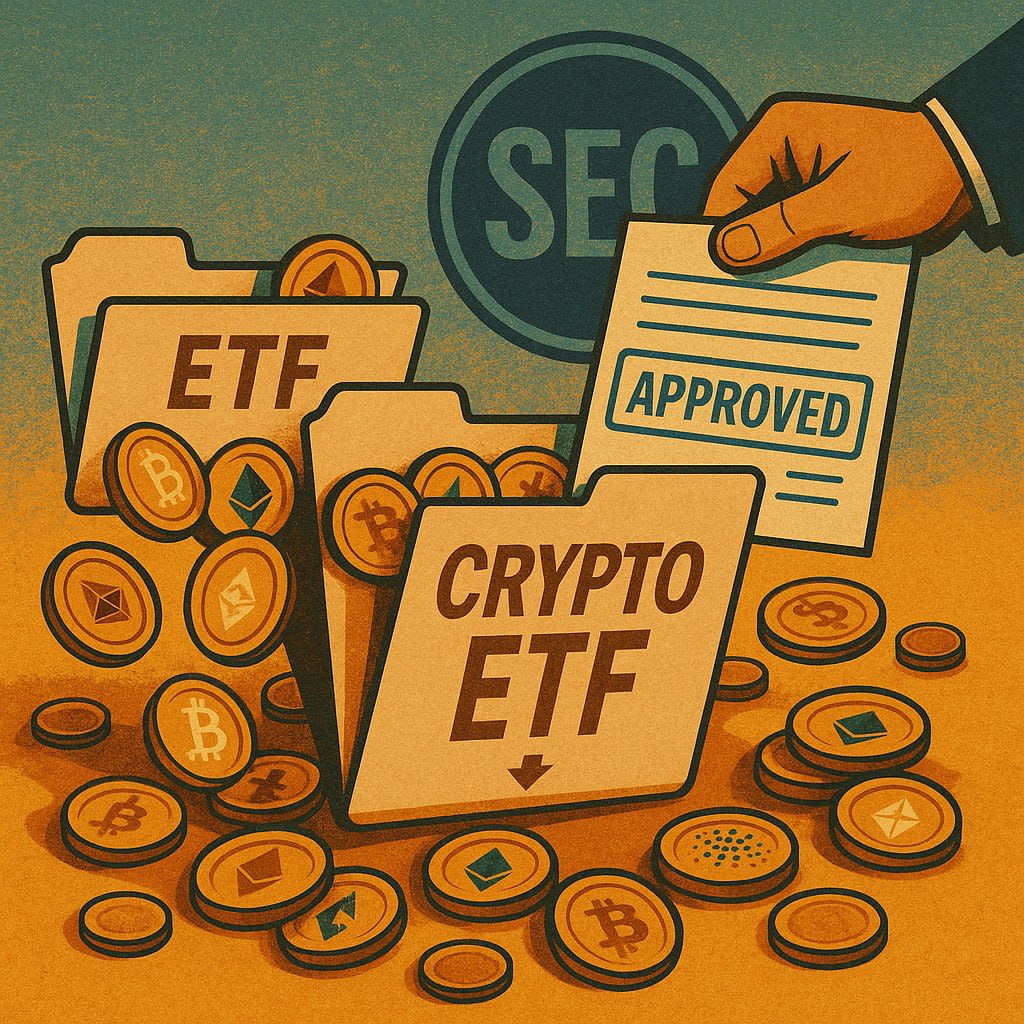
The crypto industry is no stranger to delays and disappointments when it comes to regulatory approvals. But 2025 might mark a turning point. Recent reports suggest the U.S. Securities and Exchange Commission (SEC) is considering a streamlined approval process for crypto based exchange-traded funds (ETFs) If implemented, this change could unleash a flood of new investment products tied to digital assets from Solana and Avalanche to DeFi indexes and even meme coin baskets.
After years of tension between innovation and oversight, is the SEC finally signaling it’s ready to meet the pace of crypto?
What Changed?
The SEC's posture has long been one of caution, especially under Chair Gary Gensler. However, the successful rollout of spot Bitcoin ETFs in early 2024, followed by spot Ethereum ETFs in mid-2025, showed that investor demand and institutional interest are too significant to ignore.
More recently, filings from major firms like VanEck, BlackRock, and Franklin Templeton hint at broader ambitions. These institutions aren't just interested in Bitcoin and Ethereum anymore they're looking to launch ETFs for Layer 1 chains, Web3 protocols, and even NFT-backed indexes. The current approval timeline is slow and opaque. The SEC knows that if it doesn’t adapt, it risks losing control of the narrative and pushing innovation offshore.
Insiders report that the SEC is reviewing a new framework that would simplify and accelerate ETF approvals, particularly for products that follow well established digital assets and meet certain transparency and custody standards
Who Stands to Benefit?
If the SEC eases the approval process, asset managers will be the first to benefit. Companies like Fidelity, ARK Invest, and Grayscale are already preparing filings and marketing materials for non-BTC crypto funds. But beyond institutional players, retail investors could gain access to diversified crypto exposure through familiar brokerage platforms.
Imagine ETFs that track the top 10 DeFi tokens, Solana ecosystem coins, or even real-world asset (RWA) token baskets. For many investors, these products offer a cleaner, simpler path to participation without navigating complex self-custody or DeFi interfaces.
At the same time, blockchain ecosystems like Solana, Avalanche, and Cosmos could see a surge in liquidity and visibility. A Solana ETF, for example, would bring new capital and credibility to the network, possibly reinforcing its position as a top-tier smart contract platform.
Risks, Skeptics, and Caution Ahead
Not everyone is celebrating. Critics argue that opening the ETF floodgates too quickly could lead to products with unclear risk profiles or poor investor protection. Crypto markets remain volatile, and some tokens have questionable levels of decentralization or legal classification.
The SEC must walk a fine line accelerate approvals without compromising oversight. This likely means stricter disclosure requirements, vetted custodians, and potentially limits on leverage or synthetic exposure in ETF structures.
Moreover, there's concern about market distortion. ETF inflows and outflows can cause price swings that are disconnected from organic on-chain activity. In a relatively thinly traded token like AVAX or APT, this could lead to artificial volatility.
A New Chapter for Crypto Finance
Despite the risks, the potential upside is enormous. Faster ETF approvals could reshape how investors access crypto and how crypto projects access capital. It would also further integrate blockchain assets into traditional finance infrastructure, bridging the gap between on-chain innovation and Wall Street.
We could see an explosion of creative ETF products metaverse token funds, gaming ecosystem bundles, carbon credit token indexes, and more. This innovation, if supported by smart regulation, would help mature the crypto asset class
For regulators, embracing ETFs might also offer more visibility and control over investor flows compared to decentralized alternatives. Rather than chasing projects around the globe, they can oversee investment structures with built-in compliance.
Conclusion Floodgates or Filters?
The SEC’s decision in the coming months could define the next phase of crypto finance. A faster approval framework doesn’t just mean more ETFs it signals a philosophical shift toward accommodation over resistance.
Still, the question remains will the SEC truly open the floodgates, or will it install a smarter filter? Either way, the crypto industry is watching closely and preparing to move fast
About the Creator
Inkveil
Writing about meme coins with a straight face — mostly.
I chase trends, decode culture, and sometimes pretend I understand the charts.
Welcome to the weird side of Web3
Bitcoin Holders Capitulation: What It Means and Why It Matters
Bitcoin holders capitulation is a term often used during sharp market downturns. It describes a phase where investors, overwhelmed by fear, sell their Bitcoin at a loss just to exit the market. This moment is emotionally driven, not strategic, and it usually happens after long periods of declining prices.
By saif ullah5 days ago in The Chain
Crypto Wallets: The Complete Guide to Securely Storing Digital Assets
Introduction: Why Crypto Wallets Matter More Than Ever Crypto wallets are the backbone of the digital asset economy. Whether you trade daily, invest long-term, or simply hold Bitcoin and altcoins, your crypto wallet determines how safely and efficiently you control your funds. Unlike traditional banks, crypto puts you in charge. That freedom also comes with responsibility.
By saif ullah6 days ago in The Chain



Comments
There are no comments for this story
Be the first to respond and start the conversation.