
Coinbase’s Crypto Lobby Pushes Hard Will Congress Finally Deliver Clarity?
A Long-Awaited Push at the Right Time

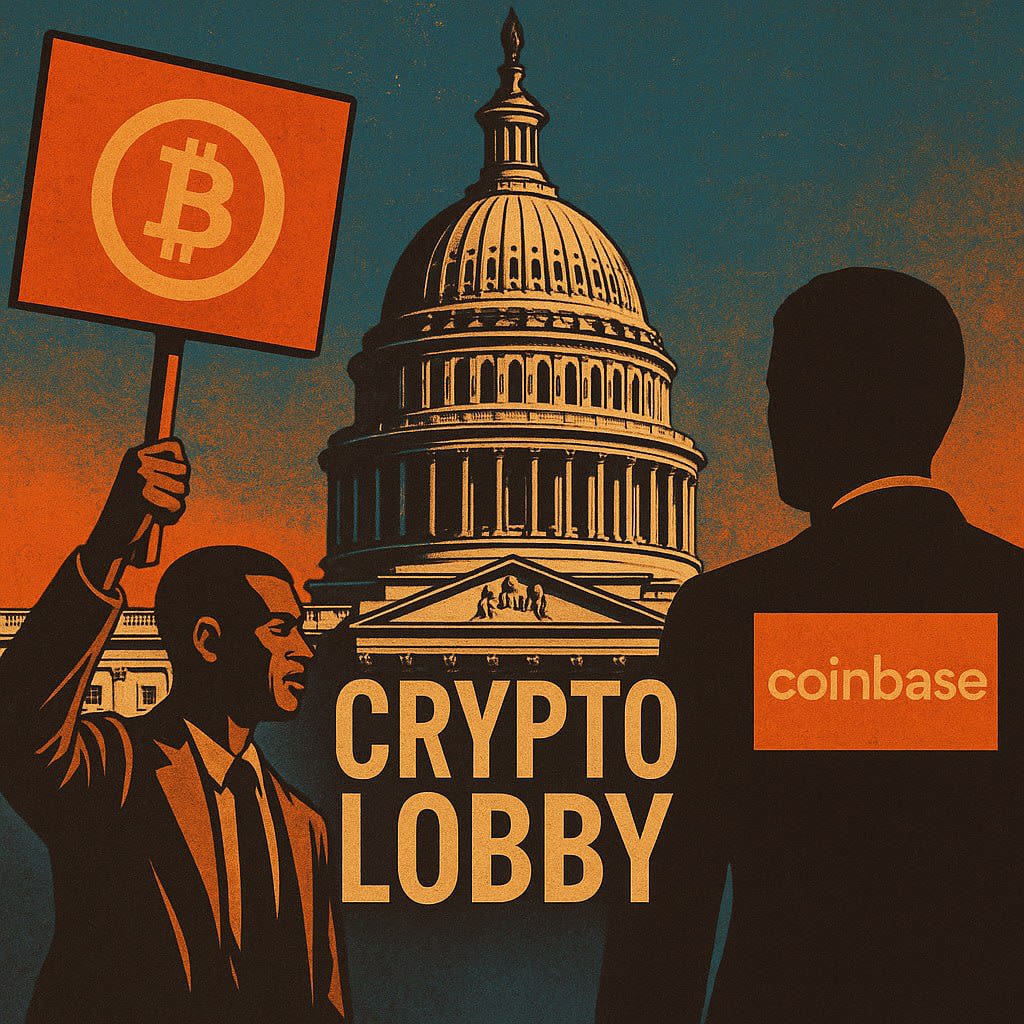
Crypto regulation in the United States has long been a game of mixed signals, delayed bills, and frustrated innovators. But now, the stakes have escalated. Coinbase, the largest crypto exchange in the U.S., is not just sitting back — it’s leading an aggressive lobbying effort, calling on Congress to pass comprehensive legislation that could shape the future of digital assets. Their message? Crypto innovation needs rules, not roadblocks. The question is: will Congress finally act?
Why Coinbase Is Turning Up the Pressure
Coinbase has found itself at the heart of regulatory uncertainty. After facing lawsuits from the U.S. Securities and Exchange Commission over alleged unregistered securities, the exchange has become one of the loudest voices demanding change. The company has launched grassroots campaigns like “Stand with Crypto”, rallied support in Washington D.C., and even backed pro-crypto political action committees
But this is more than self-preservation. Coinbase argues that millions of American users, developers, and businesses are at risk of falling behind as other countries embrace crypto-friendly frameworks. The European Union passed MiCA, Hong Kong is opening up regulated exchanges, and even Dubai is establishing clear rules. Meanwhile, U.S. firms are left guessing
What's in the Proposed Crypto Bills?
Coinbase's lobbying efforts focus on bills like the Financial Innovation and Technology for the 21st Century Act and the Blockchain Regulatory Certainty Act. These bills aim to establish clear lines between the roles of the SEC and the Commodity Futures Trading Commission, provide registration frameworks for crypto exchanges, and set guidelines for stablecoins and token issuance
For example, under FIT21, digital assets that start as securities could transition into commodities once they achieve sufficient decentralization — a major shift from current SEC interpretations. This would provide much-needed clarity for layer-1 projects and DeFi platforms
Industry Wide Implications
Coinbase may be leading the charge, but it’s not alone. Other industry players like Ripple, Kraken, and Circle are also backing similar legislative efforts. The move toward crypto regulation is not just about avoiding enforcement actions it’s about unlocking institutional capital, encouraging developer growth, and securing America's position in the next wave of the internet.
If passed, these bills could finally allow U.S. based exchanges to list tokens without fear of sudden lawsuits, enable compliant staking services, and even open the door for more regulated stablecoin offerings
However, opponents argue that some of the proposed legislation is too favorable to the industry, potentially leaving consumers exposed. Critics within Congress worry about regulatory capture, while others remain skeptical of crypto’s long-term legitimacy
Political Timing and 2024 Election Pressure
The timing is no accident. As the 2024 U.S presidential election approaches, crypto has become an unexpected campaign topic. Some candidates have embraced digital assets as part of their vision for innovation and freedom, while others remain cautious. Coinbase and other lobby groups are seizing this political moment to push for action while voter interest is high
Public sentiment also plays a role. Despite bear markets and headlines about scams, crypto adoption remains strong, especially among younger voters and tech-savvy demographics. Coinbase’s lobbying message taps into this by framing crypto as a national innovation issue not just a financial one
Regulation Is Coming But Who Will Shape It?
Coinbase’s lobbying campaign signals a shift in strategy: from defensive legal fights to offensive legislative action. Whether one sees this as a corporation protecting its bottom line or an industry pioneer trying to drive responsible growth, the impact is real
The U.S. is at a regulatory crossroads. The decisions made in the next 12 to 18 months will shape whether innovation happens on American soil or elsewhere. If Congress listens and acts the result could be a new chapter for crypto, one that balances freedom and oversight, decentralization and accountability
But if these efforts stall again? The U.S may watch as the next generation of web3 innovation thrives overseas
About the Creator
Inkveil
Writing about meme coins with a straight face — mostly.
I chase trends, decode culture, and sometimes pretend I understand the charts.
Welcome to the weird side of Web3
Blockchain in Intellectual Property: How It’s Changing Ownership, Protection, and Licensing
Introduction Intellectual property (IP) is one of the most valuable assets in the modern economy. From music, films, and books to patents, trademarks, and software code, creators and businesses rely on IP laws to protect their work. However, traditional intellectual property systems are often slow, expensive, and difficult to enforce—especially in the digital age.
By saif ullah3 days ago in The Chain
Is Bitcoin a Good Investment? A Clear, Honest Look
Introduction Is Bitcoin a good investment? This question has been asked by beginners, professionals, skeptics, and institutions alike. Some see Bitcoin as the future of money. Others see it as risky and unpredictable. The truth lies somewhere in between.
By saif ullah4 days ago in The Chain



Comments
There are no comments for this story
Be the first to respond and start the conversation.