
What is the difference between hot and cold storage for cryptocurrency?
What is the difference between hot and cold storage for cryptocurrency?

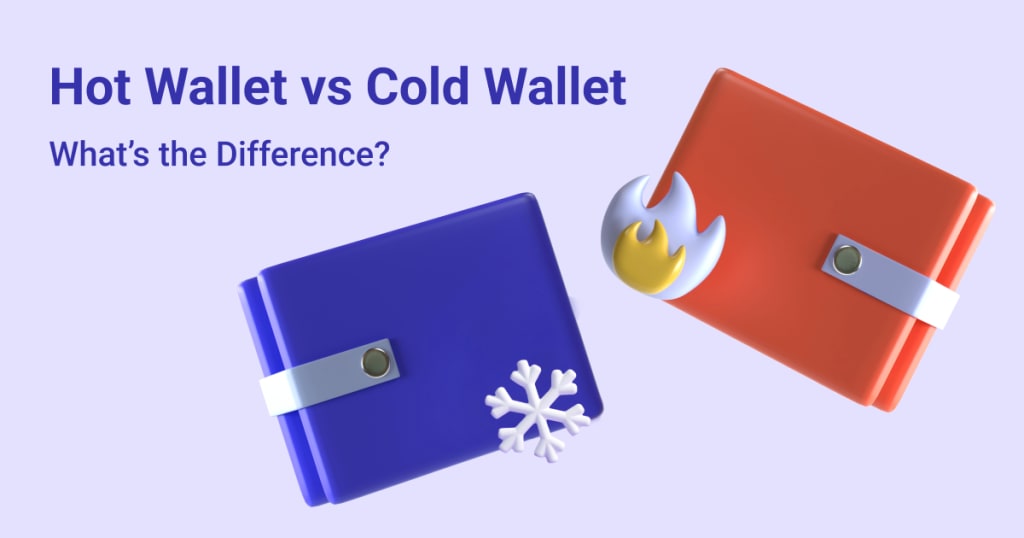
In the world of cryptocurrencies, ensuring the security of your digital assets is of utmost importance. As the popularity of cryptocurrencies continues to grow, so does the need for secure storage solutions. Two commonly used methods are hot storage and cold storage. In this eco-friendly article, we will explore the differences between hot and cold storage and how you can protect your cryptocurrency while being mindful of the environment.
Understanding Hot Storage:
Hot storage refers to the practice of storing cryptocurrencies on devices connected to the internet. This includes exchanges, online wallets, or software applications. While hot storage offers convenience and accessibility, it is considered more vulnerable to cyber-attacks and hacking attempts. It is akin to keeping your money in a wallet in your pocket, easily accessible but potentially at risk.
Benefits of Cold Storage:
On the other hand, cold storage involves storing cryptocurrencies offline, away from internet connectivity. This can be achieved through hardware wallets, paper wallets, or even offline computers. Cold storage provides an extra layer of security, protecting your digital assets from online threats and reducing the risk of unauthorized access. Think of cold storage as keeping your money in a safe deposit box at a bank, ensuring maximum protection against potential theft.
Eco-Friendly Advantages of Cold Storage:
In addition to enhanced security, cold storage also boasts environmental benefits that align with sustainable practices.
Here's how cold storage can contribute to an eco-friendly approach to cryptocurrency storage:
Energy Efficiency: Cold storage solutions consume significantly less energy compared to hot storage. Hardware wallets, for example, are designed to operate with minimal power requirements, contributing to a reduced carbon footprint.
Lower Cooling Requirements: Hot storage solutions generate heat as devices operate continuously to stay connected to the internet. This often requires additional cooling mechanisms, which consume energy and contribute to environmental impact. Cold storage, being offline, eliminates the need for excessive cooling requirements, leading to energy savings.
Extended Hardware Lifespan: Hot storage devices are subject to constant use and potential vulnerabilities due to their online connectivity. By adopting cold storage practices, you reduce wear and tear on hardware devices, extending their lifespan and minimizing electronic waste.
Best Practices for Eco-Friendly Cryptocurrency Storage:
- Opt for Hardware Wallets: Hardware wallets are highly secure and energy-efficient. These small, USB-like devices store your private keys offline, ensuring the safety of your cryptocurrency while minimizing energy consumption.
- Choose Renewable Energy: When using hot storage options like online wallets or exchanges, consider platforms that utilize renewable energy sources. Research and choose providers committed to minimizing their carbon footprint and environmental impact.
- Back-Up Your Cold Storage: While cold storage is secure, it's important to have multiple backups of your offline wallets or paper wallets. By storing copies in separate, safe locations, you protect your assets from physical damage or loss, reducing the need for reprints or replacements.
Hot Storage:
Hot storage refers to storing cryptocurrencies on devices connected to the internet. This includes exchanges, online wallets, or software applications. Hot storage offers convenience as it allows easy access to your digital assets, enabling quick transactions and trading.
However, it also comes with inherent security risks. Since hot storage devices are constantly connected to the internet, they are more vulnerable to hacking attempts and cyber-attacks. Malicious actors can exploit vulnerabilities in software or gain unauthorized access to online wallets, potentially resulting in the loss of funds.
Cold Storage:
Cold storage, on the other hand, involves keeping cryptocurrencies offline, away from internet connectivity. There are several methods for cold storage, including hardware wallets, paper wallets, and offline computers.
Hardware wallets are small, specialized devices that securely store your private keys offline. They require a physical connection to a computer or mobile device for transactions, ensuring that your digital assets remain protected from online threats.
Paper wallets, on the other hand, involve printing out your cryptocurrency's public and private keys and storing them in a secure physical location. Offline computers, specifically dedicated to cold storage, are disconnected from the internet and used solely for storing cryptocurrencies securely.
Benefits of Cold Storage:
- Enhanced Security: Cold storage provides an extra layer of security by keeping your private keys offline and away from potential online attacks. Without an internet connection, hackers have a significantly lower chance of gaining access to your digital assets.
- Protection from Malware: Malware, such as keyloggers or screen recorders, can compromise the security of hot storage solutions. Cold storage, by keeping your private keys offline, mitigates the risk of malware affecting your cryptocurrency holdings.
- Reduced Risk of Exchange Hacks: Storing your cryptocurrencies on exchanges or online wallets means trusting third-party platforms with the security of your assets. However, exchange hacks have occurred in the past, leading to significant losses for users. Cold storage removes this risk by allowing you to retain full control over your private keys.
- Offline Backups: Cold storage methods often involve creating multiple backups of your private keys and storing them in separate secure locations. This redundancy ensures that even if one backup is lost or damaged, you can still access your cryptocurrencies.
Balancing Security and Accessibility:
While cold storage offers unparalleled security, it can be less convenient compared to hot storage for frequent trading or spending. For day-to-day transactions, it may be advisable to keep a small portion of your cryptocurrency in hot storage, while the majority is stored in cold storage. This approach allows for quick access to funds while maintaining the bulk of your assets in a highly secure offline environment.
Remember, regardless of the storage method chosen, it is essential to follow best security practices, such as using strong, unique passwords, enabling two-factor authentication, and keeping your software and firmware up to date.
By understanding the differences between hot and cold storage and implementing eco-friendly practices, you can safeguard your cryptocurrency investments while contributing to a sustainable future.
hot storage and cold storage are two distinct approaches to securing your cryptocurrency assets. Hot storage provides convenience and easy accessibility but comes with higher security risks due to its constant internet connectivity. On the other hand, cold storage offers enhanced security by keeping your private keys offline, protecting your digital assets from online threats and potential hacking attempts.
In addition to the security benefits, cold storage also aligns with eco-friendly practices. Cold storage solutions, such as hardware wallets, consume minimal energy and contribute to reduced carbon emissions compared to hot storage options that require continuous online connectivity and cooling mechanisms. By opting for cold storage, you can minimize your environmental impact while safeguarding your cryptocurrency.
When adopting cold storage practices, remember to use hardware wallets or other offline storage methods, create multiple backups, and store them securely in separate locations. Balancing the need for security and accessibility, you can keep a portion of your funds in hot storage for day-to-day transactions while keeping the majority of your assets in cold storage.
By prioritizing the security of your digital assets and being mindful of eco-friendly practices, you can contribute to a sustainable future while enjoying the benefits of cryptocurrency ownership. Stay informed, stay secure, and embrace the power of cold storage to protect your cryptocurrency investments.
About the Creator
Roshan Aryan
Welcome to our blog, where we delve into the fascinating world of cryptocurrency. In this comprehensive guide, we aim to demystify the complexities surrounding cryptocurrencies, providing you with valuable insights and knowledge.
Keep reading
More stories from Roshan Aryan and writers in The Chain and other communities.
What are the different types of cryptocurrency wallets available?
Cryptocurrency wallets are digital tools that allow individuals to store, manage, and transact with their cryptocurrencies securely. These wallets come in various forms, each with its unique features, security levels, and usability.
By Roshan Aryan3 years ago in The Chain
Modern Machine Learning Techniques Redefining AI Systems
Let's be honest — most of us interact with AI every single day without really thinking about it. The moment your inbox filters out spam, your streaming app suggests the perfect show, or your bank flags a suspicious transaction before you even notice it — that's machine learning quietly doing its job. But what's actually happening under the hood? And why does it matter for you or your business?
By Technoloaderabout 10 hours ago in The Chain
Tokenization Strategies for Startups and Enterprises: Building Value Through Digital Assets
Digital assets are gradually redefining how businesses think about ownership, capital formation, and asset management. Over the past decade, blockchain technology has moved from experimental cryptocurrency networks into a broader infrastructure capable of representing real-world assets, intellectual property, financial instruments, and even governance rights in digital form. Tokenization, the process of converting rights to assets into blockchain-based tokens, is emerging as a powerful strategy for startups and established enterprises seeking new ways to raise capital, increase liquidity, and build more efficient ecosystems.
By Jennifer Atkinsona day ago in The Chain




Comments
There are no comments for this story
Be the first to respond and start the conversation.