
What Causes a Washing Machine to Leak Water?
Wondering why your washing machine is leaking? Discover the most common causes of water leaks and effective solutions. Learn how to prevent future issues.

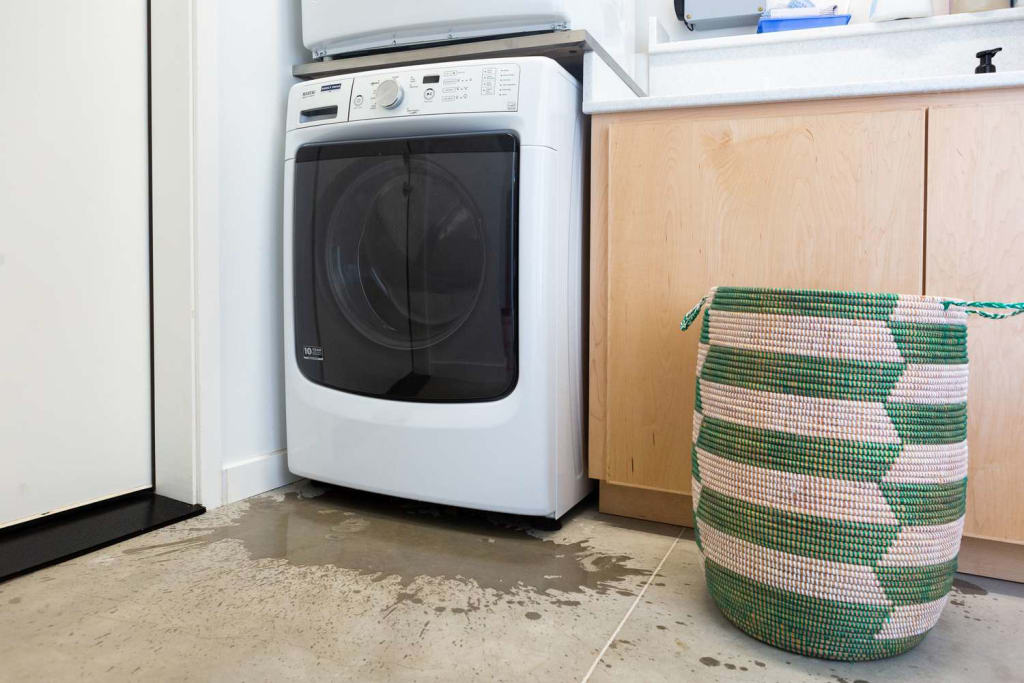
Dealing with a washing machine leak can be a messy and frustrating experience. Whether it's a small puddle or a flood, understanding why your washer is leaking is essential for resolving the problem quickly. For residents in a busy area like the Bronx, where seeking washing machine repair Bronx services can take time, identifying the issue and determining whether you can fix it yourself or need professional help is vital. In this article, we'll explore the common causes of water leaks in washing machines and provide guidance on how to address each one.
Damaged or Worn-Out Hoses
One of the most frequent causes of a leaking washing machine is a damaged or worn-out hose. Washing machines have several hoses, including the fill hoses that bring water into the machine and the drain hose that carries water out. Over time, these hoses can deteriorate due to constant use, exposure to high water pressure, or kinking, leading to cracks, holes, or loose connections that allow water to escape.
If the fill hose is leaking, you might notice water pooling behind the machine. Inspect the hose for visible signs of damage, such as cracks or leaks at the connection points. Tightening the connections or replacing the hose altogether can often solve the problem. Similarly, a damaged drain hose can lead to significant leaks, especially during the draining phase of the cycle. If water is leaking during the spin or drain cycle, check the drain hose for clogs or cracks, which can obstruct the flow of water and cause leakage.
Regularly inspecting the hoses for wear and tear and replacing them every few years can prevent unexpected leaks and prolong the life of your washing machine.
Faulty Door Seal
Front-loading washing machines rely on a rubber door seal, also known as a gasket, to create a watertight barrier between the drum and the outside environment. Over time, this seal can become damaged due to constant use, exposure to harsh detergents, or the buildup of dirt and debris. When the door seal is compromised, water can leak out during the wash cycle, especially when the machine is agitating or spinning at high speeds.
A faulty door seal is easy to spot, as you’ll usually notice water seeping out from the front of the machine. To prevent further leaks, clean the door seal regularly to remove any debris or detergent residue that may have accumulated. If the seal is torn, cracked, or otherwise damaged, it will need to be replaced. Keeping the door seal in good condition can help prevent future leaks and ensure that your washing machine operates efficiently.
Clogged or Damaged Drain Pump
The drain pump is responsible for expelling water from the washing machine during the rinse and spin cycles. If the drain pump becomes clogged with debris, lint, or foreign objects, it can cause water to leak out of the machine. A damaged or malfunctioning drain pump can also lead to leaks, as the pump may not be able to handle the water flow properly.
If your washing machine is leaking during the draining process, the drain pump could be the culprit. To check the drain pump, first, unplug the machine and remove any water remaining in the drum. Inspect the pump for clogs, and clean out any debris that may be obstructing the flow of water. If the pump is damaged, replacing it will likely resolve the leak.
Routine maintenance, such as cleaning the pump filter, can help prevent clogs and ensure that the pump functions correctly. This simple task can save you from the hassle of dealing with leaks and potential water damage to your home.
Loose or Damage Water Inlet Valve
The water inlet valve controls the flow of water into the washing machine. If the valve becomes damaged or loose, water can leak from the point where the valve connects to the machine. This type of leak often occurs when the machine is filling with water at the beginning of the cycle.
If you suspect the water inlet valve is the source of the leak, inspect the connections for any looseness or visible signs of damage. Tightening the connections may solve the problem, but if the valve itself is damaged, you’ll need to replace it. Ensuring that the water inlet valve is securely attached can prevent leaks and keep your washing machine functioning properly.
Overloading the Washing Machine
Overloading your washing machine can lead to a range of problems, including water leaks. When the machine is overloaded, it struggles to agitate and spin the clothes properly, causing water to splash out of the drum and onto the floor. Additionally, overloading puts extra strain on the internal components, which can cause premature wear and tear on seals, hoses, and other parts.
If you notice water leaking from your washing machine after running an overloaded cycle, the best solution is to reduce the size of your loads. Ensuring that the washer is filled to the recommended capacity will allow it to operate more efficiently and reduce the risk of water escaping. Properly balancing your loads and distributing clothes evenly in the drum will also help prevent leaks and extend the lifespan of your washing machine.
Improper Installation
Sometimes, a washing machine leak can be traced back to improper installation. If the machine isn’t level, water can pool inside the drum and leak out during operation. Additionally, loose or poorly connected hoses and fittings can cause water to escape from the washer.
To prevent leaks caused by installation issues, ensure that your washing machine is installed on a level surface. Use a spirit level to check the machine’s positioning, and adjust the feet if necessary. Also, double-check all hose connections to make sure they are secure and free of leaks.
Taking the time to properly install your washing machine can prevent future leaks and save you from dealing with costly repairs down the line.
Preventative Measures to Avoid Leaks
Preventing water leaks in your washing machine requires regular maintenance and proper care. By keeping an eye on the machine’s key components, you can catch small issues before they turn into major problems. Regularly inspect hoses for signs of wear, and replace them as needed to prevent leaks from developing.
Clean the door seal and drum after each use to remove any dirt, debris, or detergent residue that could cause damage over time. Make sure to check the drain pump filter for clogs and clean it out regularly to ensure the machine drains properly. Taking these simple steps can help maintain your washing machine's performance and prevent water leaks.
How Water Pressure Affects Washing Machine Leaks
Water pressure plays a critical role in your washing machine’s functionality. When the pressure is too high, it can strain the internal hoses and connections, leading to potential leaks. Similarly, if the pressure is unstable, the washer’s components may become worn over time, making the machine more susceptible to leaking. Managing water pressure can prevent wear and tear and prolong the life of your machine. Here are a few key points on how water pressure may affect leaks:
Excessive Pressure: High water pressure can damage the internal hoses and cause them to crack over time.
Loose Connections: Fluctuations in water pressure may loosen hose connections, leading to leaks during the fill or drain cycle.
Pressure Regulators: Installing a water pressure regulator can help maintain consistent pressure, reducing the risk of leaks caused by fluctuating levels.
The Impact of Detergent Choices on Leaking Issues
The detergent you use in your washing machine can also be a hidden factor behind leaks. Using too much detergent or choosing a non-HE detergent in high-efficiency machines can create excess suds. This can overwhelm the washer’s drainage system, leading to leaks during operation. Understanding how detergent affects your machine is key to preventing water-related problems. Here's how detergent plays a role in leakage:
Excessive Suds: Over-sudsing can block the drainage system, causing water to overflow and leak out of the machine.
HE Detergent: Using the wrong type of detergent in high-efficiency washers can create clogs, leading to leaks.
Detergent Residue: Over time, detergent buildup can accumulate in pipes and hoses, resulting in restricted water flow and leaks.
When Washer Overloading Leads to Water Leaks
Overloading your washing machine is a common mistake that can cause water leaks. When you cram too many clothes into the washer, the drum has less space to spin freely, and water may escape through the door seal or other parts of the machine. Maintaining a balanced load and adhering to the washer’s capacity limits will help reduce the chances of leaks. Consider the following points on overloading and leaks:
Unbalanced Loads: Overloaded washers can lead to improper spinning, which causes water to splash out of the drum.
Strain on Components: Excessive weight can place undue pressure on internal parts, including hoses and seals, increasing the chance of leakage.
Uneven Water Distribution: When too many clothes are packed into the washer, water cannot circulate properly, leading to leaks from over-saturation.
Conclusion
A leaking washing machine can be a frustrating problem, but identifying the root cause can help you resolve the issue and prevent future leaks. From damaged hoses and faulty door seals to clogged drain pumps and overloaded machines, there are many reasons why your washer might be leaking. Regular maintenance and proper care can go a long way in preventing leaks and keeping your machine running smoothly.
If you’re unsure about how to fix a leak or need assistance with more complex repairs, seeking professional help is always a good option. In the Bronx, there are reliable washing machine repair Bronx services that can help you address the problem and get your washer back in working order. By addressing leaks early and following preventative measures, you can extend the life of your washing machine and avoid costly repairs.
About the Creator
smithjohn
Hey, I’m Smit John, a blogger who loves sharing ideas on different topics. Writing is my thing, and I aim to keep my content informative, engaging, and worth your time. Stay tuned for more!
Tokenization Strategies for Startups and Enterprises: Building Value Through Digital Assets
Digital assets are gradually redefining how businesses think about ownership, capital formation, and asset management. Over the past decade, blockchain technology has moved from experimental cryptocurrency networks into a broader infrastructure capable of representing real-world assets, intellectual property, financial instruments, and even governance rights in digital form. Tokenization, the process of converting rights to assets into blockchain-based tokens, is emerging as a powerful strategy for startups and established enterprises seeking new ways to raise capital, increase liquidity, and build more efficient ecosystems.
By Jennifer Atkinsonabout 11 hours ago in The Chain
How to Reduce Crypto Token Development and Launch Costs?
Launching a crypto token often looks deceptively simple from the outside. Smart contracts can be deployed in minutes. Token standards are well documented. Marketing channels are accessible. Yet founders frequently discover that what seemed like a modest technical exercise turns into a six-figure undertaking. Development, audits, legal structuring, exchange listings, liquidity provisioning, branding, community management, and post-launch maintenance compound rapidly.
By Jennifer Atkinson6 days ago in The Chain
Cassie and Johnny
I’m the kind of dame you notice. I’m no femme fatale, but you can’t ignore me, at least not until I warn you about what’s coming, then everybody ignores me. Hell, they usually blame me afterwards and give Johnny all the credit for saving the day, but my Johnny couldn’t save a seat at the movies without my help. Sure, he’s brawny, but brainy? Not so much. Like that time I asked him to spot me five bucks, and he said he didn’t see it anywhere on me, and believe you me, he looked but good.
By Harper Lewis6 days ago in Critique




Comments
There are no comments for this story
Be the first to respond and start the conversation.