
Tokenomics Strategies for ERC-20 Tokens: Building Growth and Market Stability
Designing Token Economies That Drive Growth and Stability

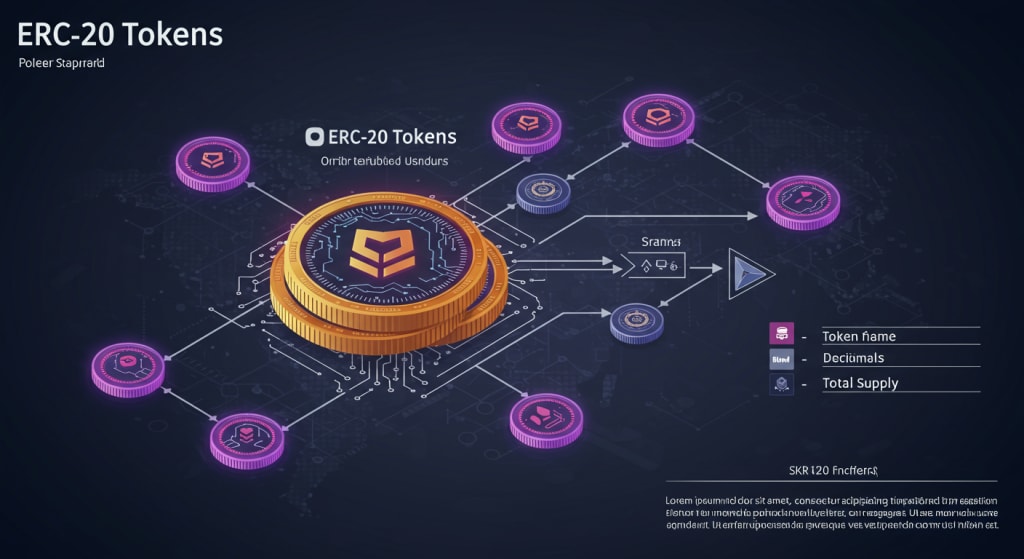
The foundation of any successful blockchain project lies in its tokenomics—the economic blueprint that governs how tokens are created, distributed, and utilized within an ecosystem. For ERC-20 tokens, which are the standard-bearers on the Ethereum blockchain, well-designed tokenomics is crucial for long-term adoption, growth, and market stability. A strong tokenomics framework aligns the incentives of developers, investors, and the community, ensuring that the token retains both value and utility over time. This article explores comprehensive strategies to design effective tokenomics for ERC-20 tokens, covering supply models, distribution strategies, token utility, governance, security, marketing, and long-term value creation.
Foundations of Tokenomics in ERC-20 Ecosystems
Understanding tokenomics is critical for designing a healthy ERC-20 ecosystem. Tokenomics forms the economic backbone of a project, determining how value circulates and how participants interact with the token. By establishing clear principles and aligning incentives, developers can create a sustainable ecosystem that fosters adoption, participation, and long-term engagement. Without a solid foundation, tokens risk speculation-driven volatility, poor user retention, and weakened market confidence. This section introduces key concepts that define tokenomics, including value alignment, sustainability, and the advantages provided by the ERC-20 standard, setting the stage for building a resilient token economy.
- Defining Tokenomics – Tokenomics is the architecture of a token’s economic model, defining how it is created, distributed, and used. It ensures that stakeholders understand how value circulates within the ecosystem and sets rules for interaction.
- Value Alignment – Aligning the incentives of developers, investors, and users promotes collaboration and minimizes conflicts. Proper alignment encourages long-term commitment and shared benefits.
- Sustainability Focus – Stability and predictability are crucial. Balanced tokenomics prevents rapid inflation, speculative bubbles, and helps maintain long-term token value.
- ERC-20 Standard Advantage – ERC-20 tokens are widely compatible with wallets, exchanges, and DeFi protocols. Standardization allows seamless integration while emphasizing the importance of solid tokenomics design.
Token Supply Models and Emission Strategies
Token supply and emission strategies play a pivotal role in shaping demand, market perception, and long-term stability. Carefully choosing between fixed, inflationary, or elastic supply models allows developers to create a balanced ecosystem that encourages participation while avoiding oversupply. Emission schedules further regulate token release to prevent sudden market shocks, maintaining consistent demand and investor confidence. In this section, we explore various supply models and emission mechanisms, detailing how they impact scarcity, incentives, and market behavior, enabling projects to design a token that supports sustainable growth and healthy trading dynamics.
- Fixed Supply vs. Inflationary Models – Fixed supply tokens create scarcity and can drive long-term value growth. Inflationary models release tokens gradually to incentivize ecosystem participation while maintaining liquidity.
- Deflationary Mechanisms – Buybacks and burns reduce circulating supply, creating scarcity. This mechanism can increase demand and help stabilize the token’s market price over time.
- Elastic or Algorithmic Supply Models – Dynamic supply adjustments help balance market demand. Elastic models prevent large fluctuations and support sustainable token economics.
- Emission Schedules and Release Curves – Gradual token release prevents oversupply and dumping. Well-planned schedules maintain market stability and ensure consistent community engagement.
Distribution and Allocation Strategy
Distribution and allocation strategies determine who holds tokens, how they interact with the ecosystem, and how long-term participation is incentivized. A well-planned allocation builds trust, prevents early market dumping, and ensures equitable opportunities for stakeholders. Different launch methods, such as pre-sales, fair launches, or airdrops, serve specific community goals and attract diverse participants. This section outlines strategic allocation methods, vesting schedules, and liquidity incentives, providing guidance on creating a distribution model that maintains ecosystem stability while encouraging engagement and adoption for both early investors and long-term users.
- Fair Launch, Pre-Sales, Airdrops – Different launch models target distinct participant segments. Airdrops incentivize early users, while pre-sales attract investors committed to long-term growth.
- Vesting and Lockups – Vesting schedules for teams and advisors prevent early selling. Lockups ensure long-term commitment and reduce the risk of market instability.
- Allocation to Stakeholders – Properly distributing tokens among team members, advisors, community, and treasury ensures equitable participation and motivates contributions.
- Liquidity Mining & Incentive Programs – Rewarding liquidity providers and stakers increases participation, ensures healthy market depth, and supports trading stability.
Crafting Token Utility and Demand Drivers
Token utility is the primary driver of long-term demand and ecosystem adoption. Tokens without meaningful use often become speculative assets with limited longevity. This section highlights how ERC-20 tokens can create value through transactional applications, access privileges, staking, yield farming, and broader ecosystem integration. By embedding clear utility within the project, tokens encourage consistent use, foster community engagement, and increase retention. Expanding the token’s functionality across platforms and applications further strengthens network effects, driving growth while maintaining the token’s relevance and importance within the ecosystem.
- Transactional Use – Tokens can be used for payments, fees, or platform transactions. Real-world use cases create consistent demand beyond speculation.
- Access and Privileges – ERC-20 tokens can grant holders voting rights, premium access, or exclusive features, increasing perceived value.
- Incentivizing Behavior – Staking, yield farming, and liquidity rewards encourage participation and long-term engagement within the ecosystem.
- Ecosystem Expansion – Expanding token use across applications, platforms, or partnerships enhances relevance, network effects, and long-term adoption.
Governance, Control & Decentralization
Decentralized governance ensures fair decision-making and strengthens trust within the token ecosystem. Effective governance enables community members to participate in proposals, upgrades, and resource allocation. Choosing the right on-chain or off-chain voting mechanisms prevents centralization while maintaining transparency. By implementing delegation, weighted voting, and safety mechanisms, projects can ensure equitable decision-making and accountability. Governance systems that are well-structured and transparent support the long-term growth and stability of the ERC-20 ecosystem while empowering token holders to have a meaningful influence on project development.
- On-Chain vs Off-Chain Governance – On-chain voting ensures transparency and verifiability, while off-chain mechanisms allow community input and flexibility for decisions.
- Delegation & Voting Models – Weighted or quadratic voting prevents concentration of power, encouraging equitable decision-making across token holders.
- Treasury Management – Clear guidelines for fund allocation ensure resources support long-term goals, transparency, and stakeholder trust.
- Safety Mechanisms – Guardrails and checks prevent abuse, protect the ecosystem, and maintain alignment with project objectives.
Balancing Growth Incentives with Market Stability
Tokens must balance attractive incentives with sustainable market behavior. Excessive rewards or poorly designed incentives can lead to volatility, speculative behavior, and loss of investor confidence. This section explains how to design reward structures, mitigate volatility, manage concentration risk, and optimize liquidity. Carefully calibrated strategies ensure that token growth is sustainable while maintaining market stability, providing confidence to investors and encouraging active engagement among users within the ERC-20 ecosystem.
- Reward Structures – Incentive programs should motivate participation without inflating supply excessively or creating unsustainable demand.
- Volatility Mitigation – Mechanisms like buybacks, burns, and dynamic supply adjustments reduce extreme price swings and maintain market confidence.
- Concentration Risk – Preventing dominance by whales or early investors ensures fair participation and reduces market manipulation.
- Liquidity Management – Adequate liquidity in exchanges and pools ensures smooth trading and minimizes slippage, stabilizing token value.
Ecosystem Integration & Partnership Strategy
Integration and partnerships expand token adoption, increase utility, and enhance long-term growth. Tokens that interact with multiple platforms, DeFi protocols, and external applications benefit from network effects and increased liquidity. Collaborations and developer engagement encourage broader use and support third-party applications, which strengthen the ecosystem. This section examines strategies for interoperability, partnership building, and cross-platform utility, providing insights on creating a well-connected ERC-20 ecosystem that maximizes engagement, adoption, and sustainable growth.
- Interoperability – ERC-20 tokens integrated with DeFi protocols, wallets, and bridges enhance usability and liquidity.
- Collaborations – Partnerships with blockchain projects or enterprises increase credibility and adoption potential.
- Developer Engagement – Grants, SDKs, and developer support encourage third-party applications that boost token utility.
- Cross-Platform Utility – Tokens functioning across multiple apps create network effects, increasing engagement and long-term growth.
Security Considerations for ERC-20 Tokens
Security underpins user trust and ecosystem stability. Tokens without robust security measures are vulnerable to hacks, exploits, and market manipulation. This section outlines strategies to protect the ecosystem, including smart contract audits, multi-signature wallets, anti-manipulation mechanisms, and secure distribution. By prioritizing security, ERC-20 tokens can maintain credibility, protect investor assets, and support long-term sustainable growth in the ecosystem.
- Smart Contract Audits – Regular reviews identify vulnerabilities and prevent potential exploits or attacks.
- Protection Against Hacks – Multi-signature wallets, monitoring, and automated alerts enhance asset protection.
- Anti-Manipulation Measures – Prevents price manipulation, whale influence, and unfair trading practices within the ecosystem.
- Secure Distribution – Proper wallet management and safe token transfer protocols reduce risks during token distribution.
Conclusion
A successful ERC-20 token requires thoughtful tokenomics integrating utility, governance, security, marketing, and community engagement. By balancing incentives, maintaining security, and continuously refining strategies, projects can achieve both growth and market stability. Partnering with an experienced ERC20 token development company ensures these strategies are executed effectively. Properly designed tokenomics transforms an ERC-20 token into a resilient digital asset with lasting adoption, value, and a thriving ecosystem capable of supporting long-term growth.
About the Creator
Alexei
A blockchain token development specialist skilled in Solidity and Rust, building secure, compliant, and scalable digital assets, with strong experience in smart contracts, security audits, and DApp integration.
Blockchain in Intellectual Property: How It’s Changing Ownership, Protection, and Licensing
Introduction Intellectual property (IP) is one of the most valuable assets in the modern economy. From music, films, and books to patents, trademarks, and software code, creators and businesses rely on IP laws to protect their work. However, traditional intellectual property systems are often slow, expensive, and difficult to enforce—especially in the digital age.
By saif ullah4 days ago in The Chain
Is Bitcoin a Good Investment? A Clear, Honest Look
Introduction Is Bitcoin a good investment? This question has been asked by beginners, professionals, skeptics, and institutions alike. Some see Bitcoin as the future of money. Others see it as risky and unpredictable. The truth lies somewhere in between.
By saif ullah5 days ago in The Chain
Ludacris and Nelly draw backlash over bookings at MAGA-coded music festival
Ludacris and Nelly headlining a mostly right-wing event is good for them. It’s also great for the genre of hip hop. The two rap veterans have showcased their talents on other stages. Why can’t they perform for mostly MAGA folks and grab that bag?
By Skyler Saunders4 days ago in Beat



Comments
There are no comments for this story
Be the first to respond and start the conversation.