
The Tokenization Revolution: Turning Real World Assets into Digital Investment Opportunities
From luxury real estate to fine art, discover how blockchain is fractionalizing ownership and making high-value assets accessible to everyday investors.
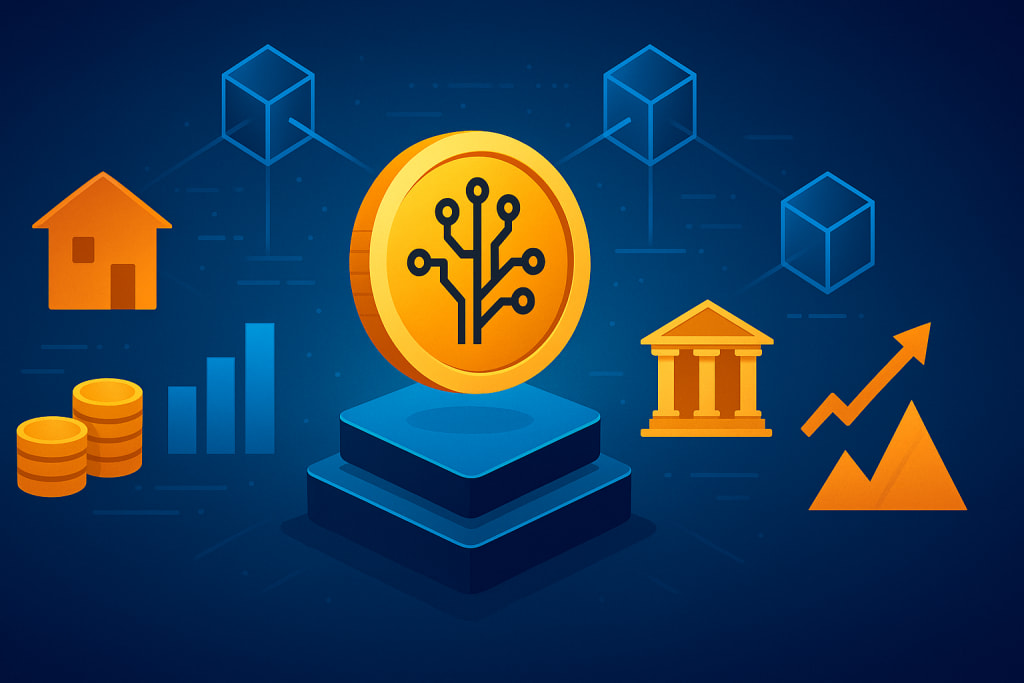
In the digital age, the way we own, trade, and invest in assets is undergoing a dramatic transformation. One of the most promising innovations driving this change is the tokenization of real-world assets (RWAs). By leveraging blockchain technology, tokenization enables individuals and institutions to fractionalize ownership of physical assets—such as real estate, artwork, commodities, and collectibles—unlocking new levels of accessibility, liquidity, and efficiency.
This evolution isn’t just reshaping finance; it's redefining what it means to own and invest in tangible assets.
What Is Tokenization of Real World Assets?
Tokenization refers to the process of converting ownership rights in a physical asset into a digital token on a blockchain. Each token represents a share or fraction of the underlying asset. These tokens are secure, immutable, and easily transferable, thanks to the decentralized and transparent nature of blockchain technology.
Real world asset tokenization bridges the gap between traditional finance and the decentralized digital economy. It allows people to invest in assets that were previously inaccessible due to high capital requirements, geographic limitations, or illiquidity.
The Impact on Real Estate Ownership
Traditionally, real estate investment has required large upfront capital, legal processes, and long holding periods. Tokenization is turning that model on its head.
By dividing a property into thousands—or even millions—of digital tokens, developers and asset managers can offer fractional ownership to a global pool of investors. This means an individual in India can own a fraction of a commercial building in New York or a luxury apartment in Dubai.
Key benefits for real estate include:
Increased Liquidity: Traditionally illiquid, real estate becomes tradable on digital marketplaces, reducing holding periods and increasing investor flexibility.
Lower Entry Barriers: Investors can now participate with smaller amounts, democratizing access to high-value properties.
Streamlined Transactions: Blockchain simplifies paperwork, reduces middlemen, and automates ownership verification and transfers via smart contracts.
The result is a more inclusive and dynamic real estate investment landscape where assets are no longer bound by borders or banking constraints.
Tokenizing Fine Art: A New Era of Collecting and Investing
The art world has long been an exclusive domain for the ultra-wealthy. Masterpieces often remain locked in private collections or vaults, inaccessible to the average investor. Tokenization is changing that.
Imagine owning a share in a Banksy or a Picasso. That’s now possible through platforms that tokenize fine art, enabling fractional ownership. Art collectors and galleries can raise funds while retaining partial ownership, and investors gain exposure to an appreciating asset class once out of reach.
Tokenizing art introduces:
Shared Ownership Models: Groups of investors can collectively own high-value pieces, opening up a previously inaccessible market.
Greater Transparency: Blockchain tracks provenance, authenticity, and ownership history, reducing the risk of fraud.
Global Access: Investors from around the world can participate without intermediaries or cross-border complications
This not only expands investment options but also revitalizes the art industry by introducing liquidity and broader audience participation.
Beyond Real Estate and Art: Other Tokenizable Assets
While real estate and fine art are two of the most high-profile use cases, tokenization extends far beyond them.
1. Commodities:
Precious metals like gold and silver, as well as energy assets like oil or renewable credits, can be tokenized. Token holders gain exposure to price movements without needing physical delivery.
2. Collectibles and Luxury Goods:
Watches, vintage cars, and rare wine collections are increasingly being tokenized. Platforms offer storage, insurance, and maintenance while issuing digital tokens that represent ownership stakes.
3. Intellectual Property and Royalties:
Musicians and filmmakers are starting to tokenize their royalties, allowing fans and investors to own a share of future earnings.
4. Farmland and Natural Resources:
Agricultural land and forestry are being brought into the digital asset space, enabling green investment and sustainable finance through token ownership.
Each of these asset types benefits from the same underlying value proposition: transparency, fractional ownership, and global accessibility.
The Role of Blockchain in Enabling Trust and Security
The foundation of asset tokenization is the blockchain. It ensures that every transaction, ownership record, and transfer is secure, transparent, and immutable.
Smart contracts—self-executing programs coded into the blockchain—play a crucial role. They automate processes such as dividend distribution, rent payments, resale conditions, and voting rights for token holders.
Additionally, the use of blockchain reduces reliance on third-party intermediaries like notaries, banks, and brokers. This not only cuts down costs but also reduces the risk of fraud or manipulation.
With regulatory-compliant platforms integrating KYC (Know Your Customer) and AML (Anti-Money Laundering) mechanisms, tokenized asset markets are increasingly safe and transparent.
Use Cases in Action: Real World Examples
Several real-world projects have already showcased the power of tokenized RWAs:
RealT (USA): Enables users to buy tokenized shares in U.S. rental properties. Investors earn rental income through stablecoins.
Sygnum Bank (Switzerland): Offers tokenized art investments, including fractional shares in works by major artists.
Mattereum (UK): Focuses on legal enforceability of tokenized ownership for physical assets like gold and antiques.
BlockBar (Global): Offers NFTs backed by rare spirits, such as limited-edition whiskey and cognac.
These examples highlight how diverse and practical tokenized ownership has become in sectors that were traditionally illiquid, high-cost, or region-locked.
How Investors Benefit from Tokenized Real World Assets
For investors, tokenized RWAs offer a compelling mix of benefits:
Diversification: Investors can spread capital across asset classes and geographies easily.
Passive Income: Token holders can earn rent, royalties, or interest depending on the asset.
24/7 Markets: Digital asset markets operate round-the-clock, unlike traditional real estate or art markets.
Real-Time Valuation: Price discovery is enhanced through secondary markets, allowing real-time portfolio assessment.
This new model opens up wealth-building opportunities for small and medium investors who were previously excluded from high-performing, tangible asset classes.
Challenges to Address for Mass Adoption
While the promise is clear, a few hurdles remain before RWA tokenization becomes mainstream:
Regulatory Uncertainty: Jurisdictions vary in how they define and govern digital assets, causing legal friction for platforms and investors.
Custodianship of Physical Assets: Proper storage, maintenance, and legal safeguards for physical assets must be established to ensure tokens remain backed by real value.
Liquidity Still Growing: While better than traditional markets, secondary market activity for tokenized assets is still maturing.
Despite these challenges, increasing institutional interest and regulatory developments are paving the way for more stable and secure tokenization frameworks globally.
The Future of Ownership Is Digital, Fractional, and Borderless
We are entering an era where ownership will no longer be limited by capital, geography, or legacy systems. Through tokenization, anyone with an internet connection can gain exposure to real estate, fine art, luxury goods, and even renewable energy assets.
From empowering investors to unlocking trillions in dormant value, tokenizing real world assets is more than just a trend—it’s a structural shift in how the global economy operates.
As blockchain infrastructure matures and regulations evolve, expect RWA tokenization to be a cornerstone of the next generation of investing—transforming physical assets into globally tradable digital opportunities.
About the Creator
Keep reading
More stories from Lily Arthur and writers in The Chain and other communities.
Real World Assets Explained: How Blockchain Is Tokenizing Traditional Finance
In the evolving landscape of finance, the integration of traditional financial instruments with blockchain technology is gaining momentum. One of the most transformative concepts driving this evolution is the emergence of Real World Assets (RWAs) on blockchain platforms. These are tangible and intangible off-chain assets that are represented digitally and managed using decentralized technologies. As the digital and physical financial worlds merge, RWAs are positioned at the forefront of this convergence.
By Lily Arthur6 months ago in The Chain
When Did Bitcoin Start? A Simple History of Bitcoin’s Beginning
Introduction Many people use Bitcoin today, but few know exactly when Bitcoin started and how quietly its journey began. Bitcoin did not launch with hype, investors, or advertisements. Instead, it emerged during a time of global financial uncertainty, offering a new idea: money without banks.
By saif ullah4 days ago in The Chain
Blockchain in Intellectual Property: How It’s Changing Ownership, Protection, and Licensing
Introduction Intellectual property (IP) is one of the most valuable assets in the modern economy. From music, films, and books to patents, trademarks, and software code, creators and businesses rely on IP laws to protect their work. However, traditional intellectual property systems are often slow, expensive, and difficult to enforce—especially in the digital age.
By saif ullah3 days ago in The Chain


Comments
There are no comments for this story
Be the first to respond and start the conversation.